The Apinto Divisional Council, representing traditional landowners in Tarkwa and Iduapriem, has accused multinational mining companies of failing to deliver meaningful development to host communities. This accusation comes despite decades of extensive mineral extraction in the region. The Council specifically named Gold Fields Ghana Limited’s Tarkwa Mine and AngloGold Ashanti’s Iduapriem Mine.
A recent assessment of operations at the Gold Fields Tarkwa Mine revealed significant environmental damage. More than 4,000 hectares of Apinto lands have been degraded, severely impacting local livelihoods. This degradation has also affected farmlands and the surface rights of indigenous residents.
This situation highlights a broader issue within Ghana's mining sector, where communities often feel marginalized. Despite the country being a major gold producer, the benefits frequently do not trickle down to local populations. This disparity contributes to social unrest and calls for more equitable resource management.
The concerns were raised at a press conference in Tarkwa last week. There, the Council unveiled its “Apinto Shared Prosperity Proposal.” This framework advocates for establishing a government-owned mining operation in Tarkwa. The proposal aims to guarantee host communities a direct stake in the ownership, governance, and benefits of mining activities.
According to the Council, this proposal seeks to replace the existing model. The current system relies largely on royalties and corporate social responsibility projects. The new framework envisions a genuine partnership involving the government, investors, and host communities.
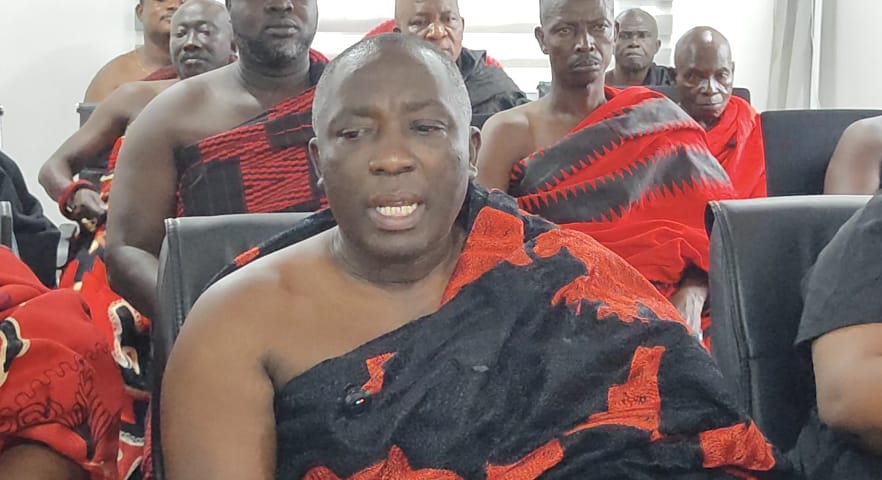
Dr. Nana Adarkwa Bediako III, the Gyasehene of the Apinto Divisional Council, addressed the media. He stated the proposal is founded on principles of “history, justice, equity and sustainable development.” He emphasized that communities whose ancestral lands have sustained mining for generations deserve to become genuine partners. They should participate in the exploitation of the country's mineral resources.
Dr. Bediako stressed that the next phase of mining in the Tarkwa-Apinto area must move beyond simple royalties. It must also move past corporate social responsibility projects. Instead, it needs a true partnership among the Government, investors, and host communities.
The Council plans to submit its proposal to the Government, Parliament, the Minerals Commission, and other relevant stakeholders. They believe the proposed Ghanaian-owned mining operation would maximize the value of Ghana's mineral resources. It would also address long-standing concerns about limited benefits for mining communities.
Dr. Bediako clarified, “Our proposal to the Government of Ghana seeks not charity, but fairness.” He added that it presents a practical model balancing national interests, investor confidence, and meaningful community participation. This approach aims to foster a more inclusive mining framework.
The Council lamented that communities within the Tarkwa-Apinto area have seen little development. This lack of progress is despite decades of mining by companies like Gold Fields Ghana Limited and AngloGold Ashanti Iduapriem Mine. The development has not been commensurate with the scale of mining operations.
Dr. Bediako identified several major challenges confronting host communities. These include land degradation, inadequate infrastructure, limited economic opportunities, and rising youth unemployment. The Council's assessment of the Gold Fields Tarkwa Mine specifically highlighted the 4,000 hectares of degraded land. This degradation severely affects livelihoods, agricultural activities, and the surface rights of indigenous landowners.
The Council is confident that adopting the Apinto Shared Prosperity Proposal will usher in a new era. This era would feature responsible and sustainable mining. It would balance national economic interests with the development aspirations of host communities. Their message is clear: a mine generating wealth from Apinto lands must also create lasting prosperity and sustainable development for its people.