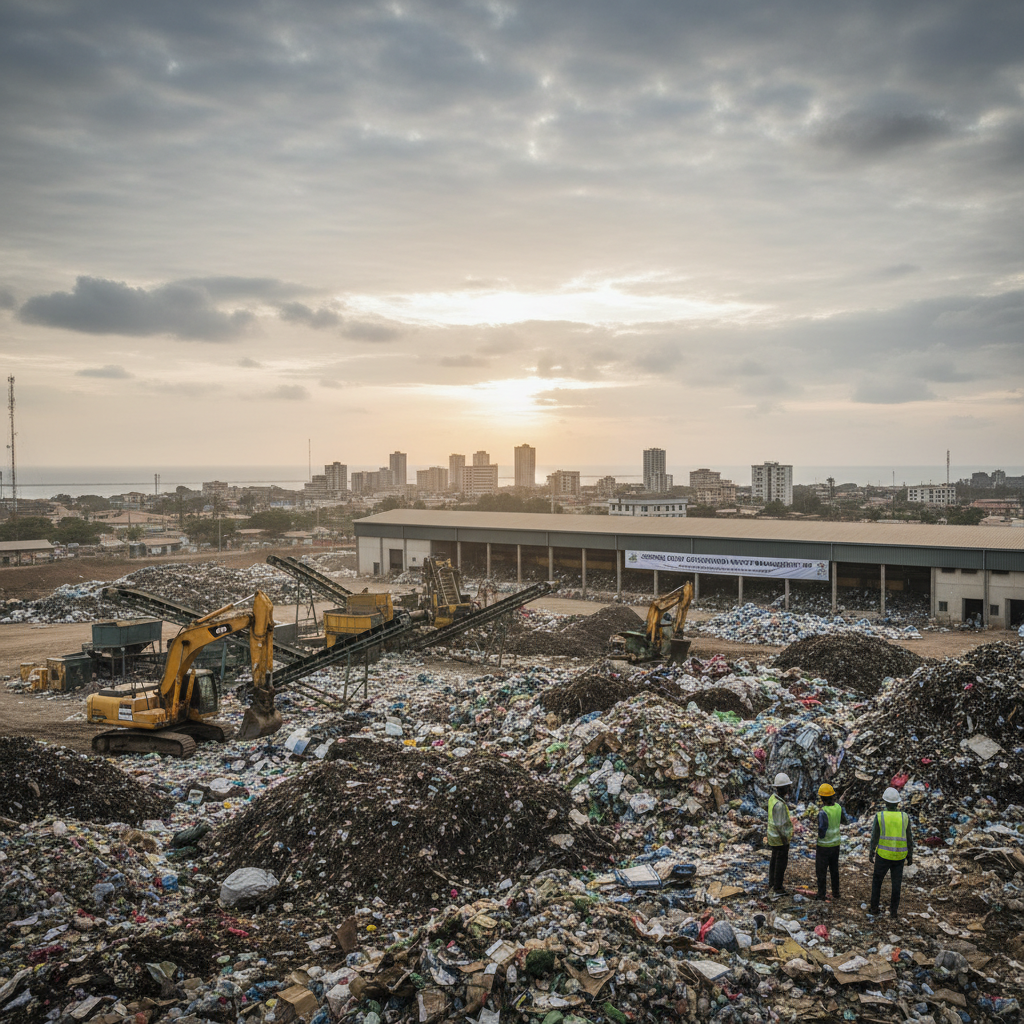
The Jospong Group of Companies has called for a sustained national waste management system as cleanup efforts continue in flood-hit communities across Accra. The major waste management firm stated that while current National Sanitation Day exercises help clear debris, long-term success requires proper waste disposal and responsible public behaviour. This emphasizes the need for a continuous approach rather than one-off interventions.
Dr. Joseph Siaw Agyepong, Group Chairman for Jospong Group, made this call during a cleanup exercise in Alajo on July 11, 2026. He explained that large volumes of refuse collected from homes and choked drains are transported to designated transfer stations for treatment and disposal. The company urged Ghanaians to adopt responsible sanitation practices, specifically by properly storing household waste. They also advised using licensed waste collection service providers to prevent drain blockages.
This push for sustained waste management directly links to Ghana's ongoing struggle with urban flooding, especially in Accra. Poor waste disposal contributes significantly to blocked drains, intensifying flood impacts during rainy seasons. Data from the Hydrological Services Department often highlights clogged drainage systems as a primary cause of flood events. Prior reports from institutions like the Institute of Statistical, Social and Economic Research (ISSER) have consistently pointed to waste management reforms as crucial for ending Accra's flooding.
Dr. Agyepong stressed that achieving a cleaner Ghana requires a collective effort from both government and the public. He highlighted that sustained sanitation practices are critical in reducing the risk of future flooding events. This aligns with broader initiatives aiming to improve public infrastructure and environmental health.
The implications are significant for Ghana's urban development and public health. A sustained approach to waste management could reduce the GHS billions lost annually to flood damage and related health issues. Decision-makers in government and local assemblies will need to consider long-term funding and policy changes to support these efforts. Greater public participation and adherence to waste disposal regulations are also vital for this vision to materialize. Markets for waste collection and recycling services will likely see increased demand as these policies take hold.