Camelot Ghana Plc increased its revenue by 31.50% to GHS 36.97 million in 2025. This growth signals a successful strategic shift towards flexographic printing and technology-driven solutions.
The company's revenue rose from GHS 28.11 million in 2024. This figure has nearly tripled since 2022, when revenue stood at GHS 13.41 million. Profit after tax also increased by 27.00% to GHS 3.26 million from GHS 2.56 million, demonstrating improved profitability. Total equity strengthened to GHS 6.83 million from GHS 4.03 million.
This performance highlights a broader transformation within the Ghana Stock Exchange-listed company. It moves beyond simple demand for conventional printing products. The company aims to reduce its historical dependence on cheque books and other security documents. This diversification strategy aligns with the evolving digital payments landscape in Ghana. It also positions Camelot Ghana for sustained growth in new market segments.
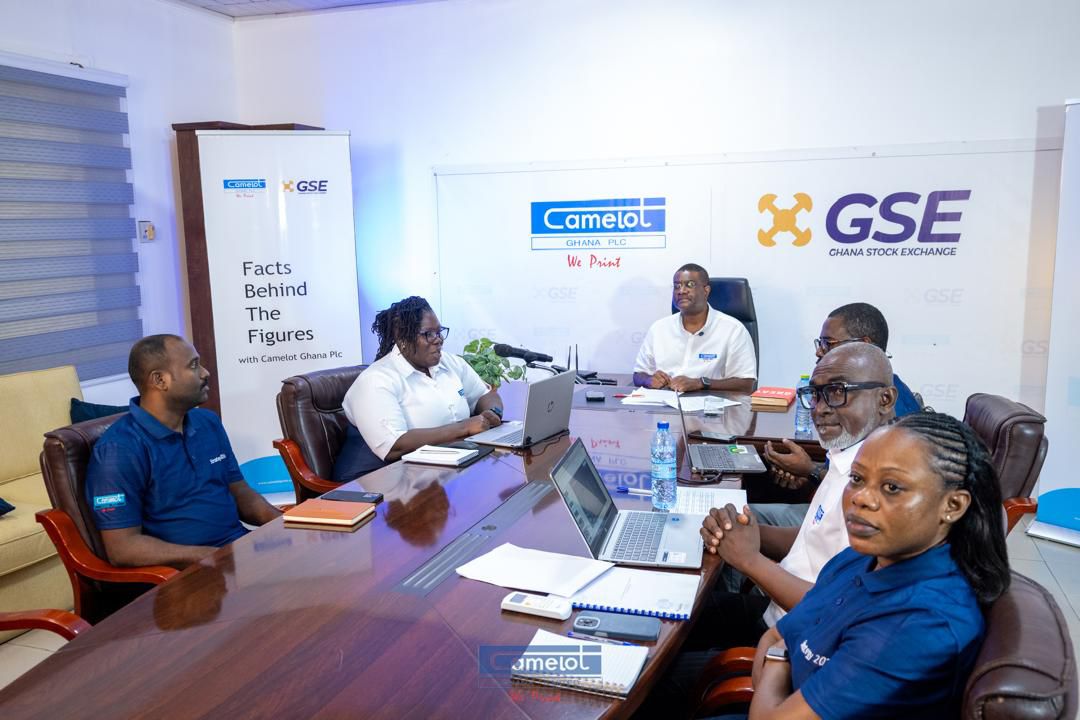
Managing Director John Villars presented these results during the Ghana Stock Exchange's "Facts Behind the Figures" event. He stated, "Our growth has been broad-based, our people metrics stand up against real industry benchmarks, and we are building sustainability into how we source and produce rather than treating it as an afterthought." This statement underscores the company's commitment to transparent reporting and sustainable business practices.
The core of Camelot's changing business model is flexographic printing, or Flexo. This segment has expanded by 321.00% cumulatively since 2022. Flexo now accounts for approximately 34.00% of total revenue, up from 23.00% four years ago. This growth increases the company's exposure to labels and packaging-related demand. This strategic pivot is crucial as digital payments continue to reshape the market for traditional paper-based financial instruments.
Despite the strong growth in Flexo, Camelot's established businesses also show resilience. Cheque-related revenue has increased every year since 2022, growing 140.00% cumulatively. Its share of total revenue has declined only because Flexo expanded at a faster rate. Traditional printing, the smallest of Camelot's three main business lines, also recorded cumulative growth of 102.00% over the same period. This indicates that diversification is complementing, not replacing, existing operations.
The company's financial turnaround is notable. Camelot recorded an after-tax loss of GHS 1.38 million in 2022. It then returned to profitability with GHS 2.16 million in 2023 and GHS 2.56 million in 2024. This positive trend continued into the first six months of 2026. Turnover reached GHS 21.40 million, a 9.00% increase from GHS 19.57 million in the corresponding period of 2025. Profit after tax for this period grew 19.00% to GHS 2.61 million. Gross profit rose to GHS 10.40 million from GHS 9.33 million.
Gross margin improved to approximately 48.60% from 47.60%. This suggests that earnings are expanding faster than revenue. For investors, this development is significant. It shows Camelot is extracting more profit from each cedi of sales as its business mix evolves. The company's balance sheet has also strengthened. Shareholders' funds recovered from a negative position in 2022 to GHS 6.83 million by the end of 2025. This provides greater financial flexibility for future investments in production capacity and technology.
Camelot is also integrating environmental sustainability into its investment agenda. Management plans to shift cheque and certificate production to Forest Stewardship Council-certified and recycled-content paper. They will also increase the use of low-VOC and water-based inks. Monitoring energy consumption across Flexo production is also a priority. The company is developing a formal sustainability policy and reporting structure. This aligns with Ghana Stock Exchange disclosure requirements. Supplier certification mapping and audits of ink use and energy consumption are currently underway. These measures are increasingly important for attracting corporate customers and meeting market expectations.