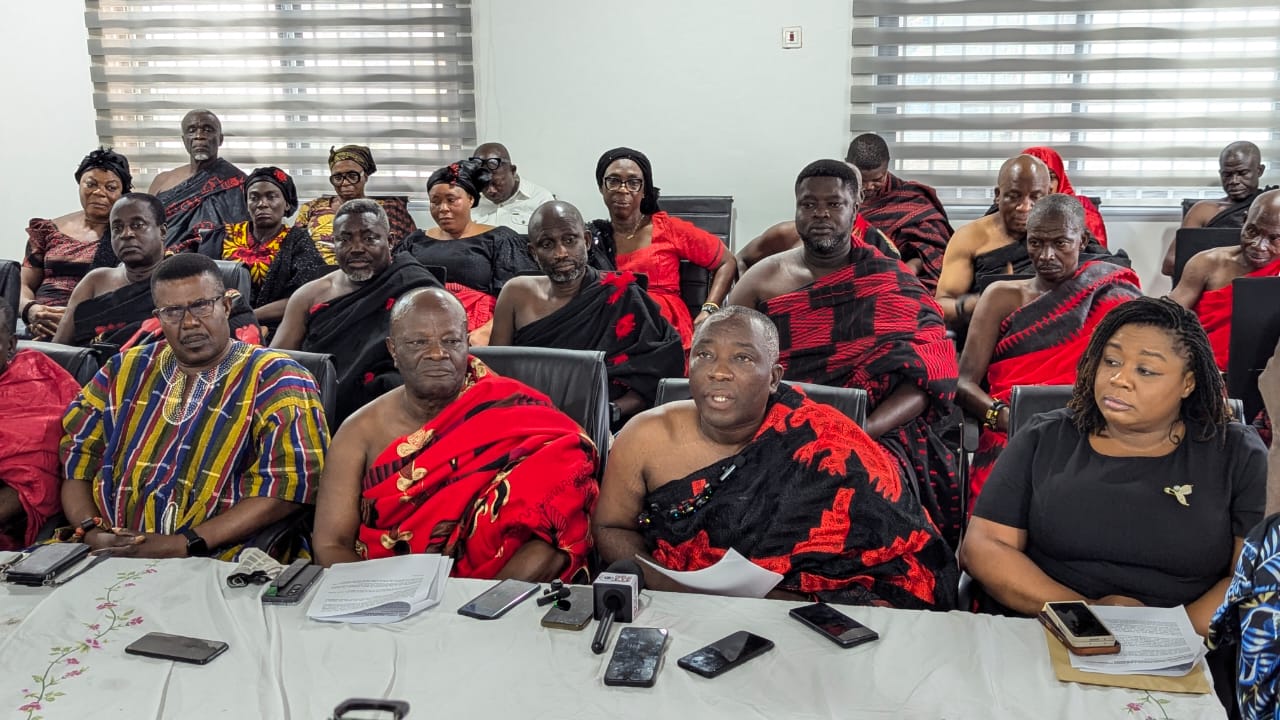
The Apinto Divisional Council has publicly criticised Gold Fields' development record in Tarkwa. The Council is now advocating for a Ghanaian-owned mining company to manage the Tarkwa mine.
This strong disapproval stems from the Council's belief that Gold Fields has not adequately contributed to the development of the local community. The Council argues that the current foreign ownership structure has not delivered the expected benefits to the people of Tarkwa. They seek a change in management to ensure more direct and impactful local development.
This development fits into a broader national conversation about local content and ownership in Ghana's vital mining sector. Ghana, a major gold producer, has seen increasing calls for greater local participation in resource extraction. This push aims to ensure that more of the wealth generated from natural resources remains within the country and directly benefits local communities. Previous instances of community dissatisfaction with mining companies have often led to similar calls for increased local control and improved social responsibility.
The Kumasi Mail reported on the Apinto Divisional Council's stance. The Council's statement underscores a growing sentiment among traditional authorities regarding the need for mining companies to fulfill their social obligations. This includes providing tangible development projects and creating sustainable economic opportunities for residents in mining areas. The Council believes a Ghanaian-owned entity would be more responsive to these local needs.
The implications of this stance are significant for the future of mining operations in Tarkwa and potentially across Ghana. Gold Fields will likely face increased pressure to address the Council's concerns and demonstrate a stronger commitment to local development. This situation could also encourage other traditional councils to voice similar demands, potentially reshaping the landscape of foreign investment in Ghana's mining industry. Decision-makers in both government and the private sector will closely watch how this dispute unfolds, as it could set a precedent for future community-mining company relations.
The Council's advocacy for a Ghanaian-owned mine reflects a strategic shift towards empowering local enterprises in key economic sectors. This aligns with national policies aimed at fostering indigenous business growth and ensuring that resource wealth translates into widespread national prosperity. The outcome of this dispute could influence investment decisions and operational strategies for all mining companies in Ghana. It highlights the critical importance of effective community engagement and corporate social responsibility for long-term operational stability.
The mining sector contributes significantly to Ghana's Gross Domestic Product (GDP). Therefore, any major shifts in ownership or operational control could have ripple effects on national economic indicators. Ensuring a fair and equitable distribution of mining benefits remains a key challenge for the government. This situation in Tarkwa brings these challenges to the forefront, demanding careful consideration from all stakeholders involved.