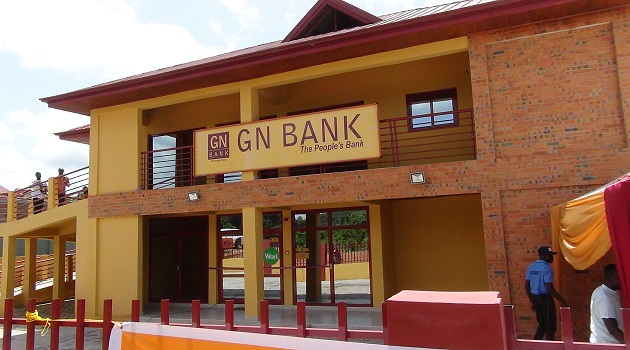
Ghana's Supreme Court has suspended the enforcement of a Court of Appeal ruling that ordered the restoration of GN Savings and Loans Limited's operating licence. This suspension keeps a key dispute from Ghana’s financial sector clean-up unresolved until the Supreme Court determines the Bank of Ghana’s substantive appeal.
The decision follows an application by the Bank of Ghana for a stay of execution. The Court of Appeal had previously ruled that GN Savings’ licence, revoked during the financial sector clean-up, should be restored. The Supreme Court’s order means the appellate court’s directive cannot take effect for now. GN Savings cannot rely on that ruling to resume operations while the case awaits final determination.
This development preserves the current regulatory position. It gives the central bank temporary legal protection from having to reinstate the company’s licence. The Bank of Ghana initiated the financial sector clean-up between 2017 and 2019. It revoked licences of institutions deemed insolvent or poorly governed. This exercise impacted numerous banks, savings and loans companies, and other financial institutions. The clean-up was a major economic intervention, affecting Ghana's financial stability and public confidence in the banking sector.
Norvan Reports indicates this development shifts the dispute towards a higher constitutional and regulatory question. The Supreme Court will consider whether the Bank of Ghana acted within its statutory powers when it revoked the licence. It will also examine whether the Court of Appeal was correct to order its restoration. The scope of the Bank of Ghana’s authority to revoke licences of financial institutions remains a central issue.
The eventual Supreme Court ruling will shape the legal boundaries of regulatory intervention in Ghana’s financial sector. This is especially true in situations where the central bank acts to protect depositors and the wider financial system. For the Bank of Ghana, this ruling is an important interim victory. It allows the regulator to maintain its position that the revocation remains valid until the Supreme Court rules otherwise. It also protects the central bank from operational and supervisory complications that an immediate restoration of the licence might have caused.
For Groupe Nduom and GN Savings, this decision delays the practical effect of the Court of Appeal victory. The company must now await the Supreme Court’s final ruling before any possibility of licence restoration becomes enforceable. If the Supreme Court ultimately upholds the Bank of Ghana’s appeal, it would strengthen the central bank’s regulatory authority. This would send a strong signal that courts should be cautious in questioning prudential decisions made for financial stability. However, if the Supreme Court upholds the Court of Appeal’s position, it could open a deeper debate over regulatory process and fairness in Ghana's financial sector.