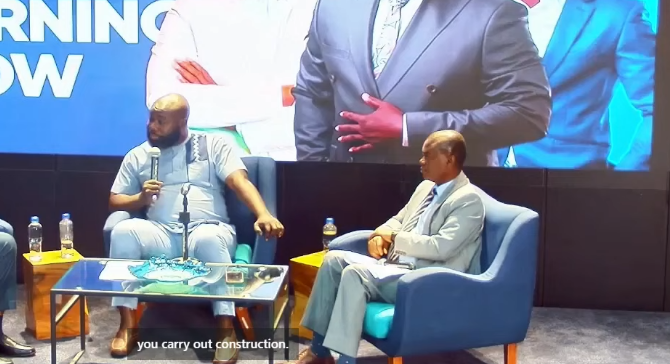
Republic Bank's Mortgage Manager, Frank Oppong Yeboah, has advised prospective Ghanaian homeowners to build according to their income and financial capacity. He recommends avoiding large loans for expensive houses. This approach, detailed at the Republic Bank JoyNews Habitat Fair on August 11, promotes starting small and gradually expanding homes.
Mr. Yeboah stated that incremental housing development offers a more sustainable path to homeownership. Individuals can begin with a modest structure and add to it as their financial situation improves. He emphasized that this method helps individuals build without undue financial stress. It aligns construction with available resources.
This advice comes as Ghana's housing sector faces significant challenges, including high construction costs and limited access to affordable financing. Many Ghanaians aspire to own homes, but the cost of land and building materials often makes large-scale projects unattainable. The incremental approach provides a practical solution for many families. It allows them to secure housing without overwhelming debt.
“You don’t just go about taking a loan and developing a four-bedroom, two-storey house,” Mr. Yeboah said. He suggested starting with a single bedroom, living area, and dining space, then adding more rooms as income grows. This strategy helps manage financial commitments effectively. It prevents homeowners from overextending themselves financially.
The implications of this advice are significant for Ghana's housing market and individual financial planning. Adopting an incremental building strategy could reduce the burden of mortgage debt on households. It could also stimulate demand for smaller, more manageable construction projects. This shift might encourage local contractors to offer more flexible building solutions. It could also lead to a more accessible housing market for a broader segment of the population.
Ghana's economy has seen varying performance, with the Bank of Ghana reporting a rural banking sector reaching GHS 26 billion. This sector serves 8 million customers, indicating a strong base for financial inclusion. However, the broader economic context still presents challenges for large-scale home financing. The incremental approach aligns with the need for financial prudence. It supports sustainable development in a fluctuating economic environment.
Mr. Yeboah also highlighted the common desire for luxurious homes, such as those in Cantonments, but cautioned against living beyond one's means. He stressed the importance of acquiring a home that meets immediate needs. “So you cut your coat according to your size. You get something for yourself and your family, and that’s where you begin,” he advised. This perspective encourages realistic financial planning. It promotes responsible homeownership decisions among Ghanaians.
The Republic Bank's recommendation could influence future housing policies and financial product offerings. Banks might develop more tailored loan products to support phased construction. This could make homeownership more attainable for middle-income earners. It would also contribute to the overall stability of the housing market. This strategy offers a pragmatic path forward for many Ghanaians seeking to own a home.