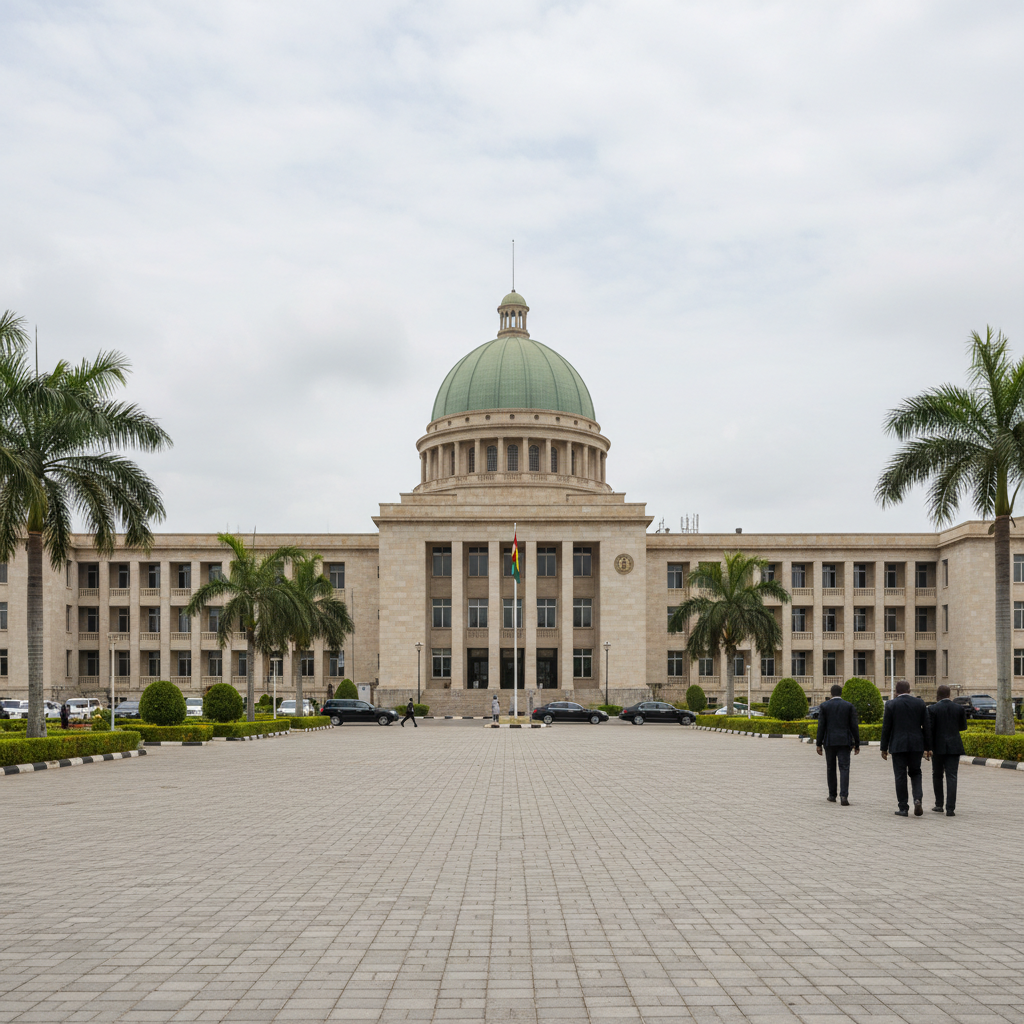
Ghana's Parliament has convened an emergency five-day sitting to address urgent national business. The session began on Monday, August 24, 2026. Lawmakers will consider the Banks and Specialised Deposit-Taking Institutions Amendment Bill. They will also review nominations for three Supreme Court justices and two ministerial positions.
President John Dramani Mahama requested the recall of Parliament. Speaker Alban Bagbin communicated the President's message to Members of Parliament. This emergency sitting will run until Friday, August 28. It focuses solely on the specified urgent matters. No other business will be admitted during this period.
The Banks and Specialised Deposit-Taking Institutions Amendment Bill is particularly significant. It aims to strengthen the regulatory framework for Ghana's financial sector. Robust financial regulation is crucial for maintaining economic stability. This bill could impact how banks and other financial institutions operate. It also affects how they are supervised by the Bank of Ghana.
Ghana's financial sector has faced various challenges in recent years. These include issues of non-performing loans and regulatory compliance. Previous banking sector clean-ups cost the state GHS 21 billion. This new amendment bill seeks to prevent future systemic risks. It aims to ensure the resilience of the banking system. Stronger regulations protect depositors and foster investor confidence.
The Speaker of Parliament, Alban Bagbin, has emphasized the focused nature of this session. He directed the House to restrict its business to the matters for which it was recalled. This ensures efficient processing of the urgent agenda items. The President's request for the recall underscores the importance of these legislative and appointment decisions.
The passage of the Banks and Specialised Deposit-Taking Institutions Amendment Bill is keenly watched. It will signal Ghana's commitment to a stable financial environment. Financial markets and international partners will monitor its progress. The bill's provisions could influence lending practices and capital requirements. This directly impacts the cost of doing business in Ghana. It also affects the availability of credit for businesses and individuals. The swift consideration of this bill reflects its critical economic importance.