The National Investment Bank (NIB) has achieved a remarkable profit of GHS 438 million between 2024 and the first half of 2026. This significant financial recovery demonstrates the potential for state-owned institutions to be revitalized through effective leadership and sound management practices.
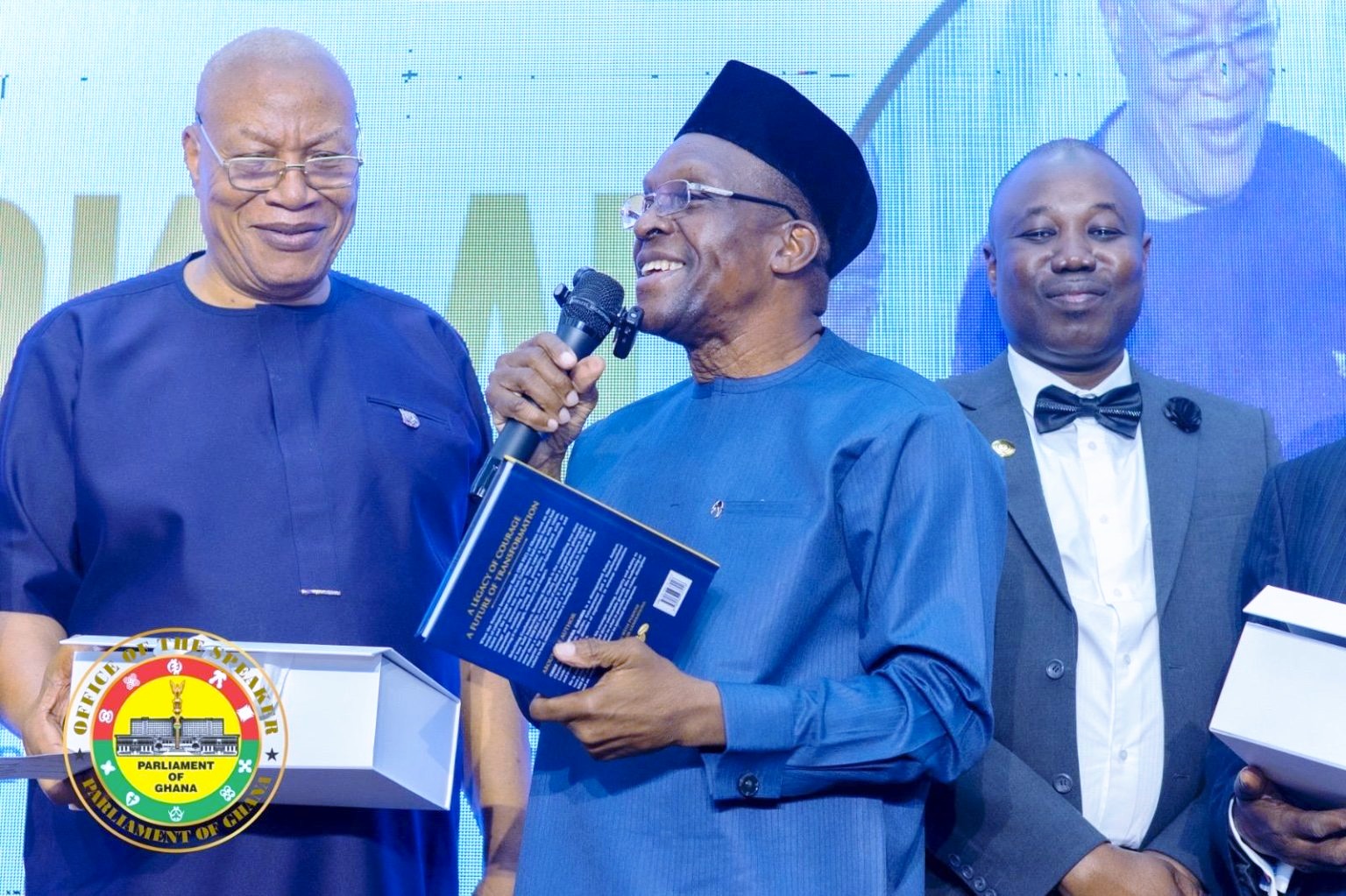
Speaker of Parliament, Alban Sumana Kingsford Bagbin, lauded the transformation, attributing the bank's resurgence to visionary leadership. He highlighted NIB's historical importance in financing Ghanaian businesses and its role in establishing the Agricultural Development Bank (ADB). Mr. Bagbin also criticized past governance failures that led to the bank's struggles, including its inability to publish audited financial statements for over a decade until 2024.
This turnaround is particularly significant within Ghana's broader economic narrative, where state-owned enterprises often face challenges related to efficiency and profitability. NIB's recovery provides a compelling case study for improving public sector performance and fostering greater accountability. The bank's improved financial health contributes positively to the stability of Ghana's banking sector and its capacity to support national development initiatives.
Mr. Bagbin specifically praised NIB Managing Director, Chief Dr. Doli-Wura Abdul-Malik Seidu Zakaria, for spearheading the bank's revival. He noted that Dr. Zakaria's leadership involved strategic reforms and innovative management, transforming community challenges into business opportunities. The Speaker's commendation underscores the critical role of individual leadership in driving institutional change and achieving tangible results.
The implications of NIB's success extend beyond the financial sector, offering a blueprint for other struggling state institutions. Decision-makers and market observers will closely watch how this momentum is sustained and replicated across the public sector. Continued improvements in governance and operational efficiency will be crucial for NIB's long-term stability and its contribution to Ghana's economic growth.
Chief Dr. Doli-Wura Abdul-Malik Seidu Zakaria detailed the reforms that transformed the bank within 18 months. He reported that NIB's profit increased from GHS 3.1 million in 2024 to GHS 344 million in 2025, with an additional GHS 94 million in the first half of 2026. This cumulative profit of GHS 438 million signifies a substantial improvement in the bank's financial performance.
Customer deposits at NIB doubled from GHS 6.4 billion in 2024 to GHS 12.9 billion by mid-2026, reflecting renewed public confidence. Total assets also saw a significant increase, growing from GHS 5.8 billion to GHS 14.9 billion during the same period. These figures indicate a robust expansion of the bank's operations and its financial base.
NIB successfully completed its recapitalisation, securing GHS 1.97 billion within four months, making it the first bank to do so. This crucial injection of capital addressed the bank's negative equity of GHS 851 million in 2024, which has now reversed to a positive GHS 1.64 billion by June 2026. The bank's Capital Adequacy Ratio (CAR), a key measure of financial strength, improved dramatically from negative 47% to 48.1%.
Furthermore, non-performing loans (NPLs) declined from 76% in 2024 to 52.21% by mid-2026, indicating better asset quality and risk management. Cost-cutting measures also reduced operational expenses by 25%, contributing to the bank's overall profitability. These comprehensive reforms highlight a multi-faceted approach to institutional recovery.
Chief Dr. Zakaria emphasized that the transformation is ongoing, with further reforms and branch modernization planned. He stressed that sustainable institutional change relies on effective leadership and dedicated personnel, not solely on infrastructure or technology. This perspective reinforces the human element as central to the success of state-owned enterprises.