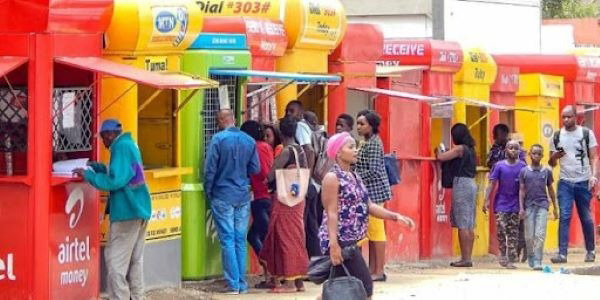
A Mobile Money (MoMo) vendor in Juapong, Volta Region, has lost GHS 12,000 to a customer who allegedly gambled the money away. Srah Priscilla, the vendor, faces financial distress after the customer tricked her into releasing the funds.
Priscilla transferred the GHS 12,000 after the customer claimed he needed it to clear an MTN loan. He promised immediate repayment upon securing another loan. However, he failed to repay the sum and avoided Priscilla's calls. Priscilla later discovered the customer allegedly spent the entire GHS 12,000 on sports betting, losing it all.
This incident adds to the growing concerns about MoMo fraud within Ghana's burgeoning digital payments ecosystem. Mobile Money transactions have become central to the nation's financial inclusion efforts, processing billions of cedis annually. The Bank of Ghana reported that active mobile money accounts reached over 50 million in 2022, underscoring the system's widespread use. Such fraud incidents erode public trust and threaten the sustainability of these vital services, impacting both individuals and the broader economy.
The incident led to the customer's arrest. Priscilla's employer has demanded she replace the missing GHS 12,000. This places a heavy financial burden on the vendor, who fears the consequences of her inability to refund the amount. Authorities have repeatedly urged MoMo vendors to verify customer claims before processing large transactions to prevent such losses.
This case highlights the urgent need for enhanced security measures and consumer education within the MoMo sector. Financial regulators and service providers will likely face increased pressure to implement stricter protocols. Market participants and policymakers will monitor potential regulatory responses to curb mobile money fraud and protect vendors and customers from similar schemes. This situation could lead to revised guidelines for MoMo agents across Ghana.
Continued vigilance by vendors and robust frameworks from industry players are crucial. The integrity of Ghana's digital payment infrastructure depends on effectively combating these fraudulent activities. The incident in Juapong serves as a stark reminder of the financial risks in the informal digital economy.