Mobile money wallet balances in Ghana reached a record GHS 40 billion in June 2026. This figure represents a significant 38% increase from GHS 28.9 billion recorded in June 2025. The data, released by the Bank of Ghana, highlights a growing national shift towards digital payments.
This substantial growth indicates that mobile money wallets are increasingly used as a store of value. Households, informal businesses, and small enterprises are now keeping funds in their wallets for various needs. This trend suggests a change in financial habits among Ghanaians, moving beyond simple fund transfers.
The expansion of mobile money services is a key component of Ghana's broader economic digitisation agenda. The government has actively promoted cashless transactions to improve financial inclusion and reduce reliance on physical cash. This aligns with efforts to modernise the financial sector and integrate more citizens into formal banking systems.
The Bank of Ghana's Payment Systems Statistics confirm this upward trajectory. Registered mobile money accounts increased from 76.4 million in June 2025 to 84.6 million in June 2026. Active accounts also rose to 26.4 million, demonstrating sustained adoption and regular use of these services.
Transaction volumes further underscore mobile money's critical role in Ghana's retail economy. In June 2026 alone, users conducted 954 million transactions. These transactions were valued at GHS 492.9 billion, covering merchant payments, salary disbursements, utility bill payments, and person-to-person transfers.
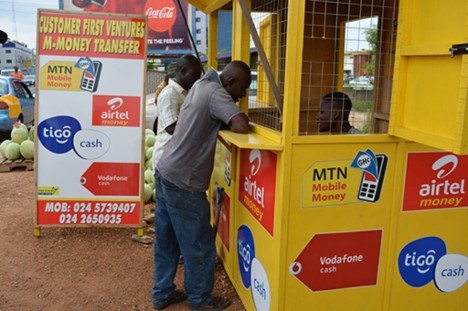
The industry's agent network has also expanded considerably. Registered mobile money agents surpassed one million for the first time, reaching 1.016 million. Active agents increased to 546,000. This expansion is crucial for deepening financial inclusion, especially in underserved rural communities.
Improved interoperability between mobile money platforms has also contributed to this growth. Users completed 33 million cross-network transactions valued at GHS 6.2 billion. This ease of transferring funds between different providers enhances the efficiency of Ghana’s digital payments ecosystem.
The continued rise in wallet balances, transaction values, and active users positions mobile money as a transformative financial innovation. It facilitates payments and transfers, and serves as an important platform for savings and commerce. This sector is expected to play an even greater role in supporting economic activity and accelerating Ghana's transition towards a digitally driven economy.
Decision-makers will likely continue to support policies that foster this growth. This includes regulatory frameworks that ensure security and consumer confidence. The market will respond to further innovations in mobile financial products and services. This sustained growth is vital for Ghana's economic development and financial inclusion goals.