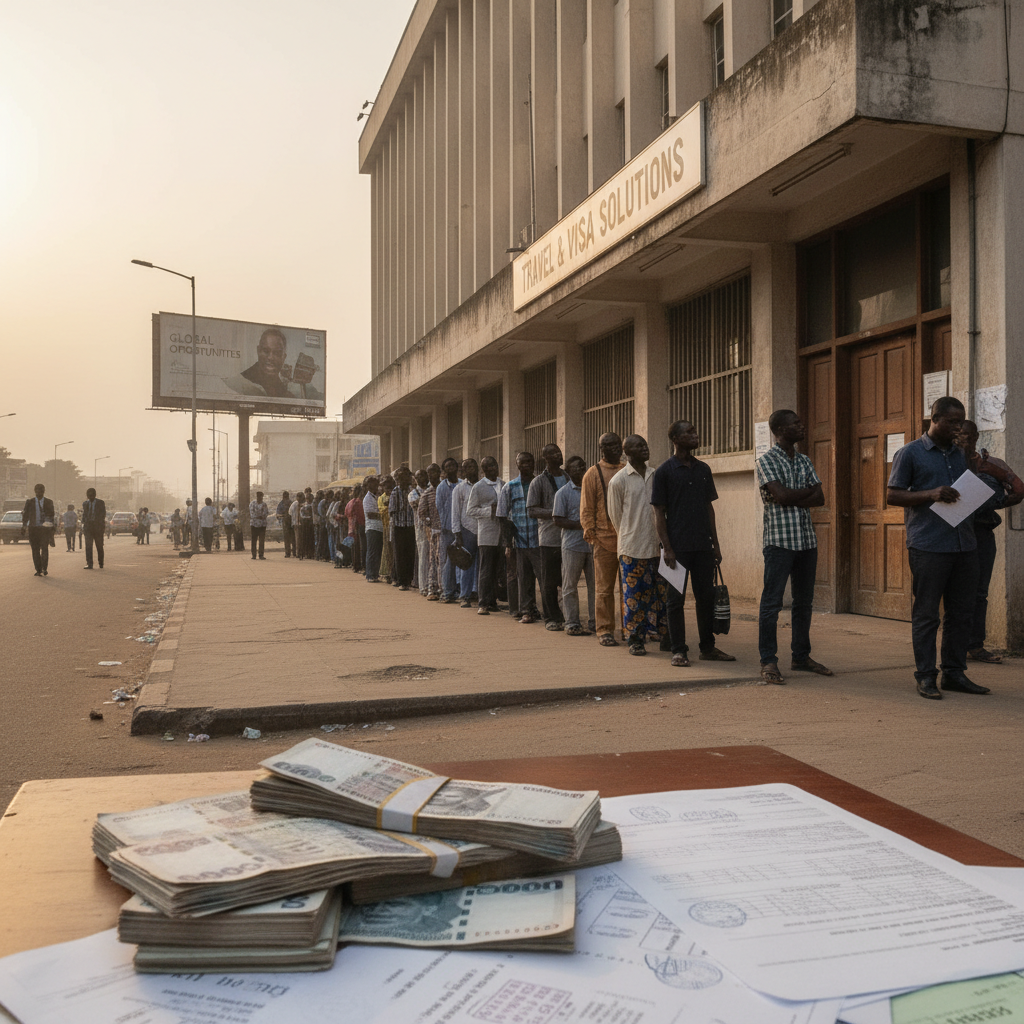
An Accra Circuit Court has remanded Vincent Apetor into custody for fraudulently spending GHS 114,000. The funds were entrusted to him for travel purposes. Apetor will reappear on July 8, 2026, for sentencing after pleading guilty to fraudulent breach of trust.
The complainant, a secretary residing in Ablekuma, provided the funds to Apetor while they were in a romantic relationship. They planned to travel to Holland. A travel agent advised them to show a higher balance in their bank account to improve visa chances. The complainant secured a loan and deposited GHS 114,000 into Apetor's Ecobank account between September 24, 2024, and February 17, 2025.
This case highlights vulnerabilities in personal financial arrangements, especially those involving significant sums. Fraud cases often undermine trust and financial stability for individuals. It also underscores the risks associated with informal credit and joint financial ventures. The broader economic impact of such events can be seen in eroded consumer confidence.
Prosecuting Inspector Frank Morgan Dorvi informed the court about the details of the alleged fraud. He stated that Apetor secretly obtained an ATM card for the account. Apetor then withdrew all the GHS 114,000 between September 25, 2024, and February 17, 2025. He spent most of the money on football betting.
The incident suggests the need for greater awareness of online betting addiction and its financial consequences. Such cases also place a burden on the judicial system. They require resources for investigation and prosecution. Financial institutions might also face questions regarding account monitoring for unusual activities.
Police have recovered GHS 35,000 from Apetor. An outstanding balance of GHS 79,000 remains unrecovered. This shortfall poses a significant financial loss to the complainant. The court's decision will be closely watched. It will determine the extent of restitution and punishment for the crime. This outcome may influence public perception of redress for financial fraud in Ghana.
The prevalence of fraud linked to informal financial agreements poses ongoing challenges. It impacts individual economic security. This case reflects broader issues of financial literacy and personal responsibility. It also highlights the impact of problematic gambling habits. Such issues affect many households in Ghana. The continued monitoring of such cases by StatsGH provides insight into economic crimes. It also shows their impact on ordinary Ghanaians.