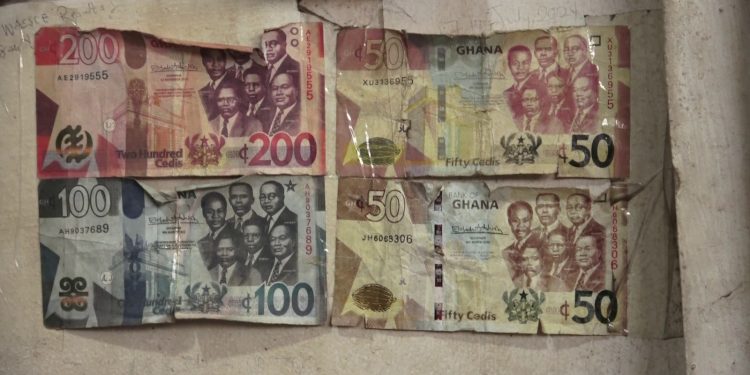
Former President John Dramani Mahama has declared Ghana’s cedi “long overdue for refreshing.” He stated that updating security features on banknotes is crucial to stay ahead of counterfeiters. This call came during his tour of the Upper East Region.
Mr. Mahama explained that currencies require periodic refreshing to make replication more difficult for counterfeiters. He noted that countries typically refresh their currency every 10 years. This practice helps central banks maintain the integrity of their banknotes. He believes Ghana’s current currency has exceeded this recommended timeframe.
This discussion on currency refreshing comes as Ghana navigates various economic challenges. The stability of the cedi is a constant concern for businesses and households. Ensuring the currency's security features are robust protects the economy from illicit activities. Previous currency redenomination exercises have aimed at simplifying transactions and improving public confidence. The Bank of Ghana's role in managing currency supply and security is central to economic stability.
President Mahama indicated that the Bank of Ghana is actively considering this matter. “I know the governor has plans to refresh the currency,” he stated. He added that the Bank of Ghana would inform Ghanaians about their actions at the appropriate time. This suggests an official announcement could be forthcoming from the central bank.
A currency refresh would involve updating security features on banknotes. This process strengthens protection against counterfeiting. It would not, by itself, change the cedi's value or amount to a redenomination. The Bank of Ghana holds the sole authority for such decisions. Market participants and the public will closely watch for any official communication. This move could enhance confidence in the national currency. It also signals a proactive approach to financial security. The timing of any such refresh remains at the discretion of the central bank. It would likely involve careful planning and public education.
Mr. Mahama also used the occasion to defend the cedi’s recent performance. He attributed its relative stability to improved economic management. “The cedi today is stronger than it was in the past because of good economic management,” he asserted. He linked the currency’s strength directly to the nation’s economic policies. He affirmed that the government would continue implementing policies to strengthen the economy. These policies aim to bolster the cedi against other major currencies. This perspective highlights the interplay between fiscal policy and currency valuation. A stable currency is vital for trade and investment. It also impacts the cost of living for ordinary Ghanaians. The Bank of Ghana's monetary policy decisions also play a significant role in currency stability. Any refresh would be a technical update, separate from monetary policy adjustments. The ultimate goal is to maintain public trust and economic order.