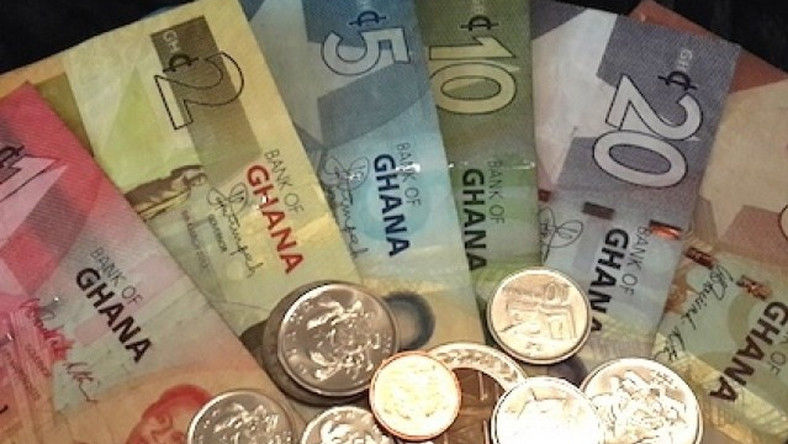
Former President John Dramani Mahama has publicly endorsed refreshing Ghana's cedi banknotes. This move aims to strengthen the currency's security features against counterfeiting. Mr. Mahama stated that the final decision on this matter rests with the Bank of Ghana.
Speaking during his 'Resetting Ghana Tour' in the Upper East Region, Mr. Mahama highlighted the need for periodic currency updates. He explained that countries typically refresh their banknotes every ten years. This practice prevents counterfeiters from mastering older security features. He noted that Ghana's current currency is 'long overdue' for such an upgrade.
This discussion comes at a crucial time for Ghana's economy. The integrity and value of the cedi are vital for economic stability and public confidence. Ghana's economy relies heavily on cash transactions, especially for households and businesses outside digital payment systems. Ensuring the physical security of banknotes directly supports trust in everyday commerce. Previous currency redenomination exercises, like in 2007, significantly altered the cedi's value and public perception. This proposed refresh, however, focuses purely on security enhancements.
Mr. Mahama indicated that the Governor of the Bank of Ghana is already considering this exercise. He expects the central bank to inform Ghanaians about their plans at the appropriate time. The Bank of Ghana will ultimately determine the timing, design, and implementation of any new banknotes. This aligns with the central bank's mandate to manage the nation's currency and maintain its integrity.
A banknote refresh would introduce more advanced security features. These features are designed to be harder and more expensive for counterfeiters to reproduce illegally. The primary goal is to enhance the technical integrity of the notes. This differs from altering their denominations or economic value. Clear communication from the Bank of Ghana will be essential to avoid speculation about redenomination or demonetisation. The public needs to understand that this is a security upgrade, not a change in the cedi's fundamental value.
Implementing new banknotes involves significant financial and operational costs. The Bank of Ghana would need to design, print, transport, and distribute the new notes. Commercial banks, cash-handling businesses, and automated teller systems might also require adjustments. The central bank must weigh these costs against the economic risks of vulnerable security features. The value of a refresh is measured by its ability to reduce fraud and protect public confidence. It also makes cash handling more secure for everyone.
Mr. Mahama also distinguished between the physical security of banknotes and the cedi's overall strength. He asserted that the cedi is currently stronger due to 'good economic management'. He linked currency strength directly to economic policies. While security features combat counterfeiting, they do not directly influence exchange rates or purchasing power. These broader economic outcomes depend on factors like inflation, fiscal management, monetary policy, and foreign exchange availability. A refreshed note improves physical credibility, but macroeconomic value remains tied to underlying economic fundamentals.
Effective communication from the government and the Bank of Ghana will be critical. Currency changes often attract intense public scrutiny. Any formal refresh must clearly state that existing notes remain valid. It also needs to explain if old and new banknotes will circulate together during a transition period. A phased approach can minimise disruption for households and businesses across Ghana.