Ghana's internet banking transactions reached a staggering GHS 383.82 billion in 2025. This figure represents an 80.7% increase from the GHS 212.44 billion recorded in 2024. The significant growth underscores a rapid acceleration in the adoption of digital financial services across the nation.
The 2025 Payment Systems Oversight Annual Report details this substantial rise. It also shows that the total volume of internet banking transactions grew to 47,587,105 in 2025. This is up from 26,063,456 transactions in 2024. This expansion reflects a growing preference for electronic payment methods among Ghanaian consumers and businesses.
This surge in internet banking aligns with Ghana's broader economic strategy to foster a cashless society. The country has actively promoted digital payment solutions to enhance efficiency and financial inclusion. This trend reduces reliance on physical cash, which can be costly and less secure. The Bank of Ghana has been a key driver in this transformation, implementing policies that support digital innovation.
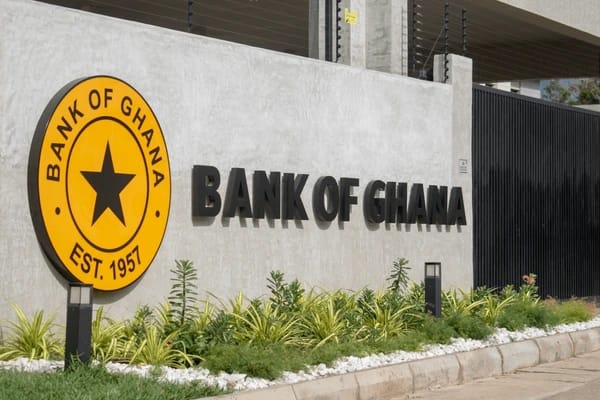
The Bank of Ghana explained that Ghana’s electronic payment landscape has undergone significant transformation. This transformation is driven by continuous technological innovation and proactive banking sector initiatives. Strong regulatory support from the central bank has also played a crucial role. These combined efforts have established a robust and dynamic payment ecosystem.
The strong performance of internet banking indicates increasing public confidence in digital funds transfer services. It also highlights an ongoing shift from cash-based transactions to more efficient cashless payment channels. Mobile banking transactions also recorded significant growth in both volumes and values during 2025. The value of mobile banking transactions grew significantly by 130.5% year-on-year in 2025. The volume of mobile transactions increased by 31.6% over the same period. This dual growth in internet and mobile platforms signals a comprehensive digital shift.
This digital transformation has broad implications for Ghana's financial sector and overall economy. It suggests increased financial inclusion, as more people gain access to banking services through digital platforms. Businesses can also benefit from faster transaction processing and reduced operational costs. The shift could also enhance the government's ability to track economic activity and collect taxes more efficiently. This makes the financial system more transparent.
The continued expansion of digital payments will likely influence future policy decisions by the Bank of Ghana. Regulators will need to ensure the security and stability of these growing digital channels. They must also address potential challenges like cyber threats and digital literacy gaps. The financial services industry will continue to invest in new technologies to meet evolving consumer demands. This will further solidify Ghana's position as a leader in digital finance within Africa. Investors and financial institutions will closely monitor these trends for new opportunities.
The growth in digital transactions also impacts traditional banking infrastructure. While Automated Teller Machines (ATMs) remain essential for cash access, Point of Sale (POS) terminals are becoming central. POS terminals are crucial to the nation’s transition to a more efficient cash-lite economy. This integrated approach ensures that various digital and physical touchpoints support the payment ecosystem. This comprehensive strategy supports both urban and rural populations in adopting digital finance. The move towards digital payments is irreversible and will continue to shape Ghana's economic future.