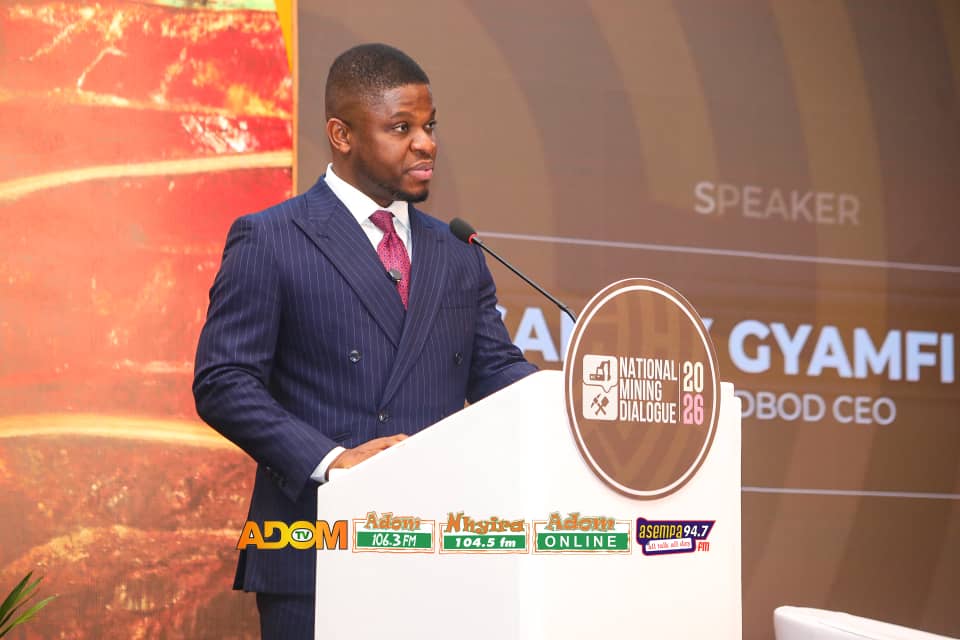
The Ghana Gold Board (GoldBod) has adopted a self-financing model, ending its reliance on direct funding from the Bank of Ghana (BoG). This strategic shift means GoldBod will now secure operational financing through commercial banks and gold offtakers.
GoldBod’s Chief Executive Officer, Sammy Gyamfi, explained this new approach. It aims to allow the state-owned gold trading institution to fund its activities independently. This move also reduces financial pressure on the Central Bank. Under this new arrangement, GoldBod will collaborate with commercial banks and gold offtakers to raise the necessary funds for purchasing and trading gold. This marks a significant departure from the previous model, where the Bank of Ghana was heavily involved in providing financial resources for GoldBod’s gold acquisitions.
This development fits into Ghana's broader economic narrative of strengthening state-owned enterprises. It also seeks to reduce their dependence on central bank support. The Bank of Ghana has been involved in financing arrangements for the government's gold purchase programme until March of this year. This new framework places greater responsibility on GoldBod to mobilise its own funding. This aligns with efforts to improve financial discipline and market-oriented operations within key sectors. The GoldBod Act, specifically section 18, grants the institution powers to raise money from the financial market, underscoring this mandate.
Sammy Gyamfi emphasized that the GoldBod Act empowers the institution to raise its own capital. He stated, “This new GoldBod model as envisioned under the GoldBod Act is not anchored on Bank of Ghana financing GoldBod.” He further clarified that Parliament has given GoldBod the authority under section 18 of the GoldBod Act to raise funds from the financial market. This statutory mandate allows GoldBod to assert its independence from central bank financing.
This change has several important implications for Ghana’s financial landscape and gold sector. GoldBod will establish relationships with financial institutions and international and local gold buyers. These entities will provide the liquidity needed for its operations. This arrangement could also encourage greater participation by commercial banks in Ghana’s gold sector. They will particularly focus on financing transactions involving licensed gold producers and aggregators. This increased involvement could deepen financial market engagement in the commodity sector.
The new financing structure is part of a larger effort to position GoldBod as a commercially sustainable entity. It aims to give GoldBod a stronger role in Ghana’s gold value chain. GoldBod is mandated to purchase, aggregate, and trade gold produced in Ghana. This includes gold sourced from the small-scale mining sector. Its expanded role intends to strengthen the country’s control over the gold trade. It also aims to improve traceability and ensure a greater share of gold value remains within the formal economy. The success of this self-financing approach will depend on GoldBod’s capacity to attract financing from banks and secure reliable offtake arrangements. This model could also give GoldBod greater flexibility in responding to international gold price movements and changes in market demand. The engagement with commercial banks and offtakers is central to the success of this new model. Banks will provide short- and medium-term financing for gold purchases. Offtakers will commit funds based on agreed supply and purchase arrangements. This structure allows GoldBod to mobilise capital without direct dependence on government funds or the Bank of Ghana’s balance sheet. It also ties financing more closely to GoldBod’s commercial activities and cash flows, fostering a more robust and market-driven operation for Ghana's vital gold sector.