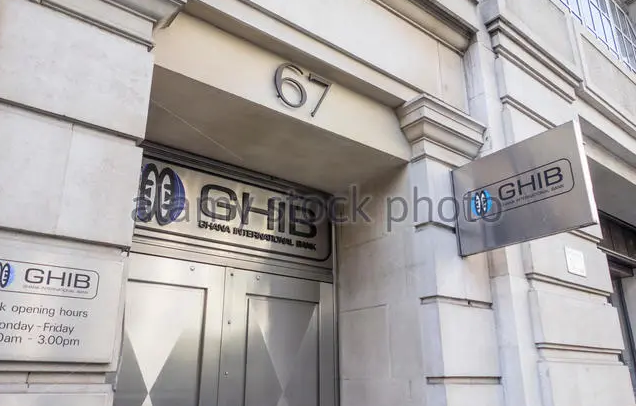
Ghana International Bank (GHIB) is repositioning itself as a crucial bridge between Ghanaian businesses and global capital. The bank has unveiled a new strategy focused on structured finance, export support, commodity banking, and digital services for internationally active clients.
This plan represents a significant broadening of GHIB’s traditional trade-finance role. It aims to transform the bank into a long-term financing partner for Ghana’s industrialization and export-led growth agenda. The initiative seeks to address a persistent challenge in Ghana: commercially viable projects frequently fail to secure funding because they are not structured to meet international lender requirements.
This strategic shift aligns with Ghana's broader economic goals. The nation is actively pursuing increased industrialization and export diversification to strengthen its economy. GHIB's new focus can help unlock significant investment, especially as government fiscal constraints limit direct financing for large projects. This move supports Ghana's ambition to move beyond raw material exports towards value-added products.
Chief Executive Officer Ian Greenstreet stated the bank intends to help Ghanaian companies move beyond domestic markets. He emphasized connecting commercially viable projects with development finance institutions, international investors, and other sources of patient capital. Greenstreet noted that engagements with government officials, regulators, manufacturers, and exporters consistently highlighted a shortage of long-term, properly structured funding.
GHIB plans to collaborate with public institutions and private-sector sponsors to improve project preparation, financial structuring, and risk allocation. The objective is to transform promising proposals into bankable transactions capable of attracting both foreign and domestic capital. This role is vital as international investors demand credible cash-flow models, transparent governance, and clear legal structures.
The bank is also deepening its role in export finance. It will expand trade-finance, foreign-exchange, and risk-management products for exporters. GHIB will work more closely with local commercial banks and the Ghana EXIM Bank. Access to foreign currency, payment guarantees, and hedging instruments is essential for Ghanaian businesses importing machinery and financing international transactions.
Furthermore, GHIB intends to position itself as a leading African bank for commodities and natural resources. Its target sectors include gold, cocoa, oil and gas, bauxite, and critical minerals. These are areas where Ghana has significant production potential but currently exports substantial volumes with limited domestic processing. Specialised commodity finance could support producers, exporters, processors, and infrastructure providers across these value chains.
The strategy requires careful risk management due to volatile prices, foreign-exchange movements, and changing regulatory frameworks in commodity businesses. Financing downstream processing also depends on reliable energy, transport infrastructure, and predictable access to raw materials. During his visit, Greenstreet met with key government figures, including Finance Minister Dr. Cassiel Ato Forson and Foreign Affairs Minister Samuel Okudzeto Ablakwa. He also held discussions with the 24-Hour Economy Secretariat, Ghana Infrastructure Investment Fund, Minerals Income Investment Fund, COCOBOD, and the Ghana Gold Board. These engagements demonstrated alignment between the government’s industrialization priorities and GHIB’s plan to connect investment-ready projects with international financiers. The bank's expansion also includes developing a digital banking platform for Ghanaian entrepreneurs, high-net-worth individuals, internationally active businesses, and diaspora members. This platform aims to strengthen financial links between Ghana and overseas markets by providing access to international payments, savings, and investment opportunities.