Ghanaian travelers frequently lose up to 7.5% on international transactions due to hidden fees and unfavorable exchange rate conversions. These costs apply when using standard debit or credit cards abroad. This financial drain can significantly impact travel budgets.
These substantial charges stem from cross-border transaction fees levied by banks and markups from Dynamic Currency Conversion (DCC). DCC occurs when merchants offer to charge customers in their home currency. The cedi’s volatility exacerbates these financial risks, making it difficult for travelers to predict their spending power.
This situation fits into Ghana's broader economic narrative of navigating currency fluctuations and managing foreign exchange expenditures. Ghana’s cedi has shown significant volatility against major international currencies. This trend makes financial planning for Ghanaians traveling or studying abroad particularly challenging. Prior events show that unexpected currency depreciation can erode the value of savings quickly.
An analysis in The Ghana Report highlights that these individual costs, though seemingly small, accumulate rapidly. It states that a traveler on a two-week trip could easily lose the equivalent of several nights' accommodation to these unnoticeable fees. This underscores the need for more transparent and cost-effective payment methods for Ghanaians abroad.
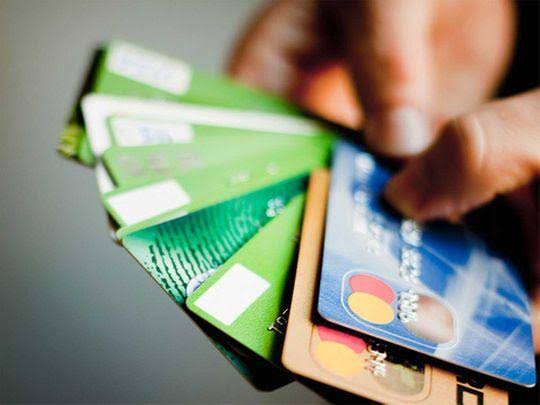
The increasing adoption of prepaid travel cards could alleviate these financial burdens for Ghanaian travelers. These cards allow users to load foreign currency in advance, locking in exchange rates and avoiding subsequent cedi depreciation. This offers a predictable and secure financial tool for international travel, attracting more users as awareness grows.
Prepaid travel cards trace their origins to 1950 with the introduction of Diners Club, the first multi-merchant charge card. The concept evolved, gaining traction in the 1980s with telecom phone cards. In 1996, the US welfare reforms using Electronic Benefit Transfer (EBT) cards further popularized reloadable prepaid systems. Today, modern prepaid travel cards are multi-currency, reloadable, and supported by mobile apps. These applications allow users to check balances, monitor transactions, and even freeze cards instantly.
The financial discipline offered by prepaid cards is another key benefit. Travelers load a fixed amount onto the card, creating a natural budget limit. This prevents overspending, unlike traditional debit or credit cards linked to a larger bank account. When funds on a prepaid card run out, the card simply stops working, enforcing financial prudence.
For Ghanaian travelers, especially students, business executives, entrepreneurs, and patients seeking medical care abroad, these cards provide vital protection. They eliminate foreign transaction fees and reduce exposure to fluctuating exchange rates. If a card is lost or stolen, the primary bank account remains secure, providing an added layer of safety. This makes prepaid cards a more secure and efficient alternative to carrying large amounts of cash or using standard bank cards which expose one's entire bank balance.
Looking ahead, the growing use of prepaid travel cards will likely lead to greater financial security and transparency for Ghanaian travelers. Decision-makers in the banking sector may respond by enhancing their offerings of such payment solutions. Market dynamics could shift as more consumers demand these cost-effective and secure options for international transactions. This trend will help Ghanaians better manage their finances when traveling globally.