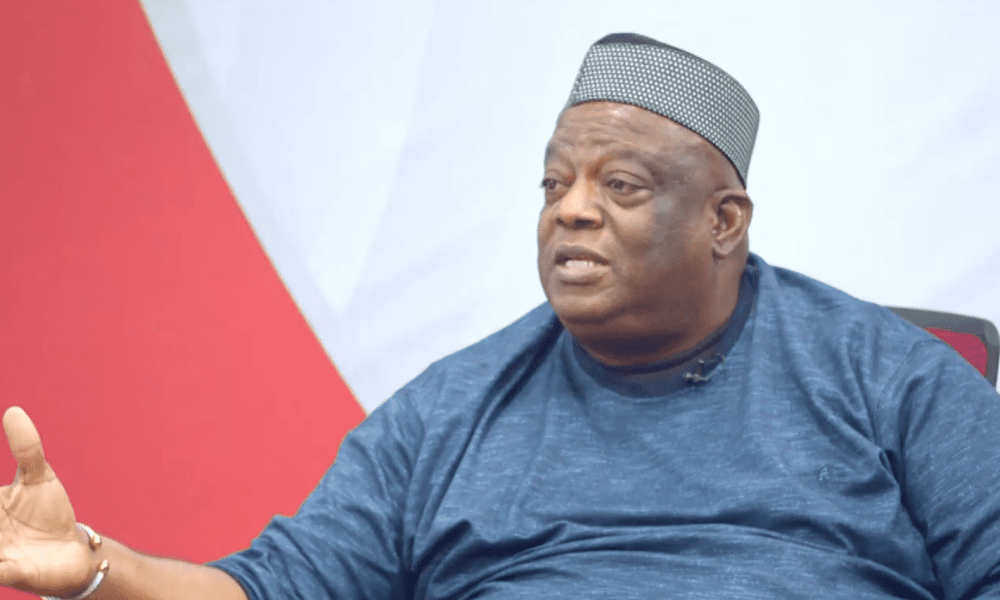
Ghana’s banking sector is actively rebuilding its financial position following the significant impact of the Domestic Debt Exchange Programme (DDEP). Joe Jackson, Chief Executive Officer of Dalex Finance, confirmed that the DDEP severely weakened the balance sheets of banks and other financial institutions. This rebuilding effort has been a primary focus for the sector over the past year.
The DDEP, a government initiative to restructure public debt, required holders of government bonds to exchange them for new ones with lower interest rates and longer maturities. This process led to substantial losses for financial institutions, particularly banks. Mr. Jackson highlighted that these institutions bore the brunt of the programme, experiencing a larger 'haircut' or reduction in the value of their investments compared to other economic sectors.
This recovery process is crucial for Ghana’s broader economic stability. A strong banking sector is essential for providing credit to businesses and individuals, which drives economic growth. The DDEP was a key component of Ghana's strategy to secure a GHS 3 billion Extended Credit Facility from the International Monetary Fund (IMF) in May 2023. The programme aimed to reduce the country's debt-to-GDP ratio and restore macroeconomic stability.
Joe Jackson stated, "I’ll be the first to admit that DDEP ravaged our balance sheets." He further explained that the past year has been dedicated to fixing these balance sheets, albeit gradually. "Some of what has happened in the last year has been truly and honestly us trying to fix our balance sheets, small, small," he added. This candid admission underscores the severity of the DDEP's impact on the financial sector.
The ongoing rebuilding efforts will determine the future lending capacity and overall resilience of Ghana's financial system. Investors and policymakers will closely monitor the pace of recovery and the strategies banks employ to strengthen their capital bases. The ability of banks to resume robust lending will be critical for stimulating economic activity and supporting the government's fiscal consolidation efforts. The Bank of Ghana, as the sector's regulator, will play a vital role in overseeing this recovery and ensuring financial stability.
The DDEP's effects are still reverberating across the financial landscape, as acknowledged by Mr. Jackson during his comments on TV3's KeyPoints. He was reacting to the 2026 Mid-Year Budget Review presented by Finance Minister Dr. Cassiel Ato Forson. While opinions may vary on the speed of recovery, the necessity of rebuilding the sector after the incurred losses remains undisputed. This period of reconstruction is vital for restoring confidence and ensuring the long-term health of Ghana's financial services industry.
The government's commitment to fiscal discipline and the banking sector's proactive measures are both essential for a sustained recovery. The successful recapitalization and strengthening of banks will be a key indicator of Ghana's economic rebound post-DDEP. This will also influence investor sentiment and the country's ability to attract foreign direct investment in the coming years.