Private sector credit in Ghana expanded by 41.2% in June 2026. This marks a substantial increase from the 8.6% growth recorded during the same period last year. The surge indicates that easing financial conditions are now translating into stronger lending to businesses across the country.
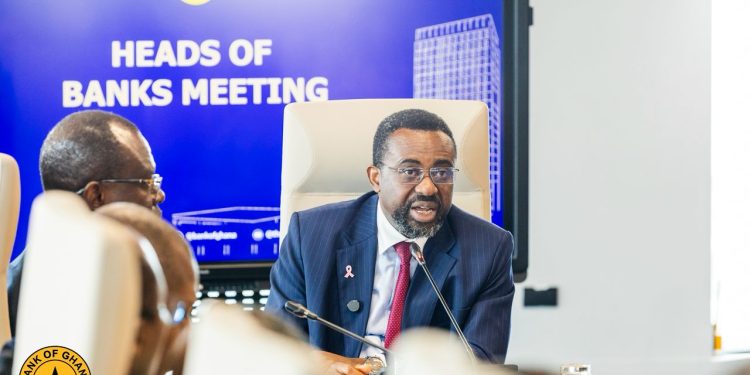
This significant growth reflects improving macroeconomic stability and declining inflation. Bank of Ghana (BoG) Governor Dr. Johnson Asiama highlighted this development during an engagement with Chief Executive Officers and heads of banks. He noted that real private sector credit growth also reached 34.1%, underscoring the positive trend in lending activity. These improvements create a stronger foundation for banks to support economic activity.
The credit expansion aligns with Ghana's broader economic recovery and stability efforts. Real Gross Domestic Product (GDP) growth hit 6.4% in the first quarter of 2026. Headline inflation also dropped to 4.6% in July from 5.3% in June. The Monetary Policy Committee has maintained the policy rate at 14%, signaling confidence in the current economic trajectory. These indicators collectively paint a picture of a more stable and growth-oriented economy.
Dr. Johnson Asiama, the Governor of the Bank of Ghana, described the credit growth as a "significant development." He stated that "financial conditions have eased significantly" and "interest rates have continued to moderate across various market segments." Dr. Asiama emphasized that these positive changes should encourage banks to play a more active role in supporting economic growth.
Despite the overall rebound in credit, many small and medium-sized enterprises (SMEs) still face challenges. Dr. Asiama noted that these businesses, particularly in the agricultural sector, struggle to access financing. Banks often perceive SMEs as high-risk, limiting their access to crucial funds. This perception hinders the growth potential of a vital segment of the Ghanaian economy.
The Governor urged banks to deepen their understanding of various business sectors. He called for the development of innovative and flexible credit products. These products should better reflect the realities of borrowers, especially those with seasonal income flows. For instance, loan repayment structures could align with agricultural harvest cycles, providing much-needed flexibility.
Dr. Asiama stressed that banks are more than just financial intermediaries. He views them as essential business partners in Ghana's economic transformation. By adapting their lending practices, banks can unlock significant growth potential. This partnership approach is crucial for fostering inclusive economic development across all sectors.
Developments within the banking sector itself also point to improved resilience. Total banking sector assets increased by 30.7% in June 2026. The industry’s capital adequacy ratio rose to 20.4%, up from 10.6% a year earlier. Furthermore, the non-performing loan ratio declined to 16.1% in June 2026, compared to 23.1% in the same period last year. These figures demonstrate a healthier and more robust financial system.
These improvements provide a stronger foundation for banks to support businesses and households. They are critical for contributing to sustainable economic growth. The Bank of Ghana aims to ensure that macroeconomic stability translates into increased economic activity. This includes broader access to finance for all segments of the economy. The focus remains on fostering an environment where businesses can thrive and contribute to national prosperity.
The call for deeper lending comes as Ghana navigates a period of economic recovery. The government and financial institutions must work together to sustain this positive momentum. Ensuring that credit reaches productive sectors, especially SMEs, will be key. This strategic approach will help solidify Ghana's economic gains and promote long-term development.