Ghana has successfully built robust digital payment infrastructure, yet it critically lacks equally strong credit systems. This disparity leaves a significant US$4.8 billion annual financing gap for Small and Medium-sized Enterprises (SMEs).
The Second Deputy Governor of the Bank of Ghana, Matilda Asante-Asiedu, stated that financial inclusion must extend beyond mere account numbers and transactions. She argued that the next phase of digital finance should measure access to credit, insurance, and investment on fair terms. This shift is crucial for unlocking Ghana's full economic potential.
This challenge fits into Ghana's broader economic narrative of leveraging digital transformation for inclusive growth. While the country has made strides in digital payments, the inability to translate this into productive credit hinders business expansion. The Bank of Ghana's focus on this issue underscores its commitment to fostering a more integrated and efficient financial ecosystem. This approach aims to support economic diversification and job creation across various sectors.
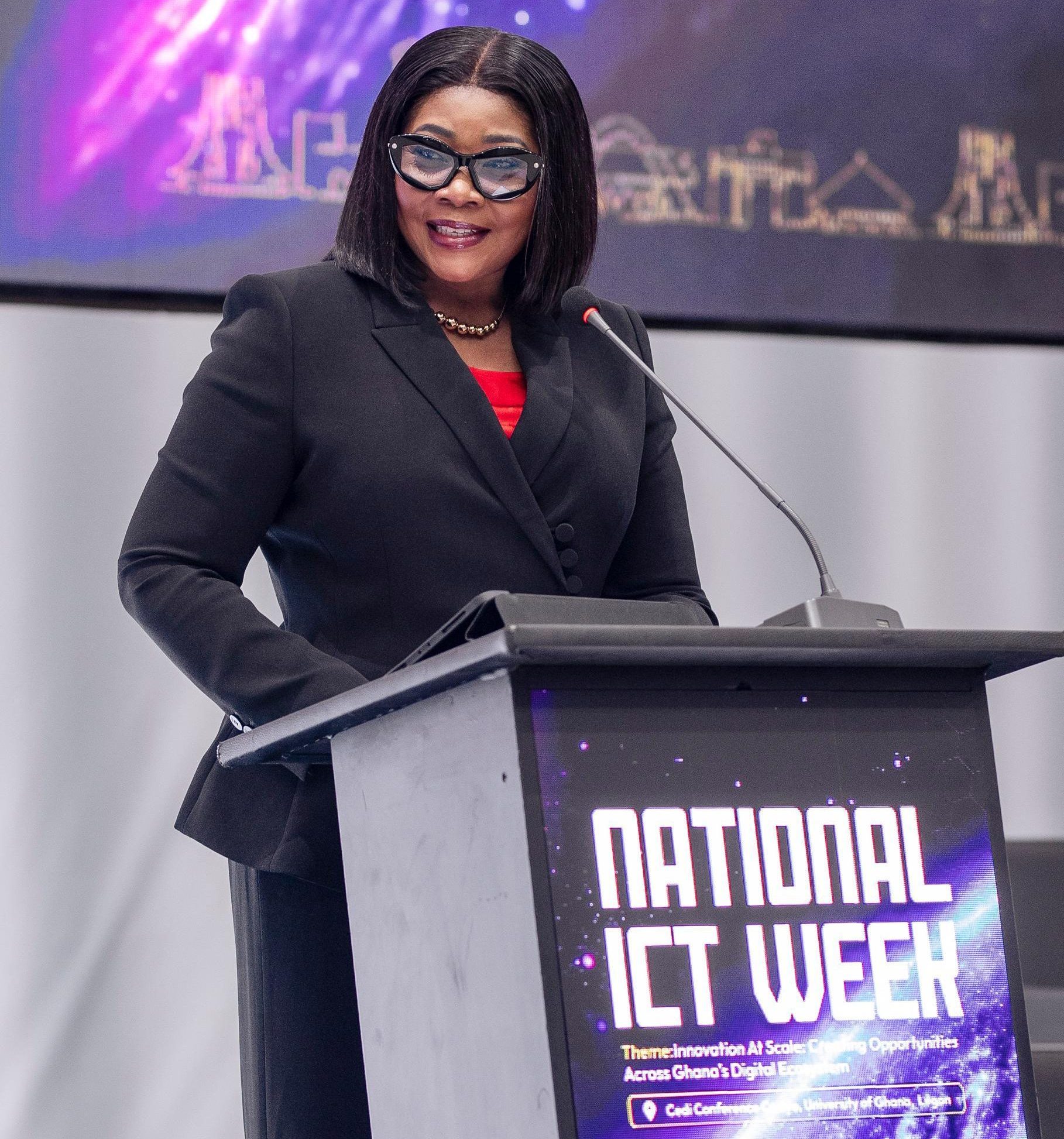
Ms. Asante-Asiedu delivered these remarks at the third Distinguished Digital Finance Lecture at the University of Ghana on August 17, 2026. She emphasized, “Ghana already has real foundations for scaled financial innovation. The task ahead of us is not invention. It is coordination.” This statement highlights the need for better integration of existing digital tools into credit assessment processes.
The implications are significant for Ghana's economic development and financial stability. Bridging the credit gap could stimulate SME growth, create jobs, and enhance overall economic resilience. Decision-makers and financial markets will closely watch the implementation of open banking and open finance frameworks. These initiatives are expected to improve the flow of capital to productive sectors.
Ghana's payment systems demonstrate remarkable scale and efficiency. In June 2026 alone, mobile money platforms processed 954 million transactions. These transactions were valued at approximately GHS 493 billion. The country boasts roughly 84.6 million registered mobile money accounts, with 26.4 million active users. Over one million registered agents support this extensive network. These figures underscore the widespread adoption and use of digital payment solutions across the nation.
Despite this advanced payment architecture, a stark contrast exists in credit access. A business can receive payments instantly through Ghana Instant Pay. However, it might wait months for a working-capital decision from lenders. This delay occurs because lenders do not routinely use digital transaction histories for credit assessment. Ms. Asante-Asiedu noted, “We have built extraordinary payment rails; but we have not yet built equally extraordinary credit rails.”
The Deputy Governor identified the disconnect between transaction data and credit access as a major unrealized financial opportunity. She explained that Ghana does not lack capital. Instead, it suffers from weaknesses in the system connecting available funds with businesses needing financing. This systemic issue prevents efficient allocation of resources.
A significant part of the problem lies in the financial sector’s traditional view of collateral. While land, buildings, and equipment remain important, modern businesses increasingly hold value in contracts and predictable transaction histories. Existing lending frameworks do not adequately recognize these assets. Confirmed purchase orders and export contracts represent verifiable future income. However, lenders require stronger legal frameworks to use these effectively as collateral.
Ms. Asante-Asiedu pointed out missing pieces, including clearer assignment mechanisms and enforceability against competing creditors. Collateral eligibility rules must also evolve to recognize these new forms of assets for capital purposes. This modernization is essential for unlocking new avenues of financing.
Transaction data offers another powerful opportunity. Mobile money records can reveal cash flow volumes, regularity, and merchant payment patterns. They can also indicate whether business activity is expanding or weakening. This information provides lenders with crucial data for more sophisticated risk assessment. Ms. Asante-Asiedu asserted, “That is not background information; it is a credit record. We have simply not built the habit of reading it as such.”
The Bank of Ghana is therefore championing open banking and open finance. These mechanisms will allow customer-authorized financial information to support credit decisions. They will also foster greater competition among financial service providers. The central bank is committed to finalizing these frameworks. Their success will be measured by additional financing reaching businesses, not just technological deployment.