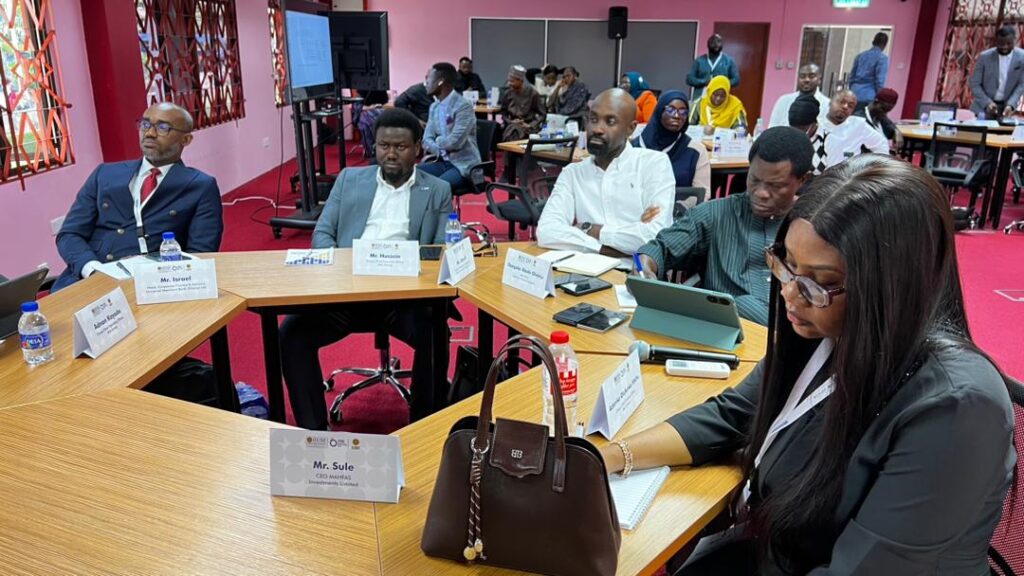
Ghana is actively developing a fully functional non-interest finance ecosystem, looking to Malaysia's 40-year success for practical lessons. A Ghanaian delegation is currently participating in a training program at the International Islamic University Malaysia. The Islamic Finance Research Institute of Ghana organized this program. It prepares Ghana to implement new non-interest finance guidelines across banking, insurance, and capital markets.
This study tour is crucial for Ghana's financial sector reform agenda. Non-interest finance historically was a niche idea linked to Islamic banking. Malaysia's experience shows it can become a major financial pillar with the right legal framework and regulation. It can also create deep market depth. Ghanaian regulators are studying this model to build a credible, inclusive, and commercially viable framework.
This initiative fits Ghana's broader economic strategy to diversify financing options. Ghana faces significant infrastructure financing needs. Traditional public borrowing is difficult due to past debt pressures and fiscal consolidation efforts. Banks are cautious with long-term lending. The domestic capital market is still developing. Non-interest finance could provide an additional funding channel for key national development projects.
Dr. James Klutse Avedzi, Director-General of the Securities and Exchange Commission (SEC), highlighted Malaysia's practical lessons. He stated, “What we have learnt during this session will help in the development of various sectors. Malaysia has success stories, and by studying them, we can avoid certain challenges and improve our financial system, including helping the government raise capital for development projects.
The sukuk market is particularly appealing. It offers asset-backed financing tied to real economic activity. Malaysia has used sukuk to finance highways, airports, and energy projects. A well-regulated sukuk market in Ghana could fund roads, hospitals, schools, and affordable housing. This approach would reduce reliance on conventional debt instruments.
However, successful non-interest finance involves more than just financial products. Professor Dr Nurdianawati Irwani Abdullah of the Kulliyyah of Economics and Management Sciences at IIUM emphasized regulatory importance. She explained that regulation is central but requires collective effort from government, industry players, and consumers. This means the Bank of Ghana, SEC, and National Insurance Commission cannot act alone. Coordinated action across various stakeholders is essential for building a robust non-interest finance sector.
Ghana must also manage public perception carefully. Non-interest finance risks being seen solely as a religious product. It is, in fact, an ethical finance model based on risk-sharing, asset backing, and transparency. If poorly explained, adoption may be slow. If over-politicized, it may fail to reach wider beneficiaries. Malaysia built public confidence through legal certainty, strong Shariah governance, and credible supervision. Ghana needs clear distinctions between conventional and non-interest financial products. This will ensure proper licensing, capitalization, and supervision of non-interest banking institutions.