Financial sector experts in Ghana have called for comprehensive guidelines and a legal framework for virtual asset transactions and digital financing. This initiative aims to deepen the capacities of financial markets in the banking sector and beyond. The experts specifically tasked the Bank of Ghana (BoG) and the Securities and Exchange Commission (SEC) with effectively regulating crypto transactions, Bitcoin, money laundering, terrorist financing, and fraudulent financial activities.
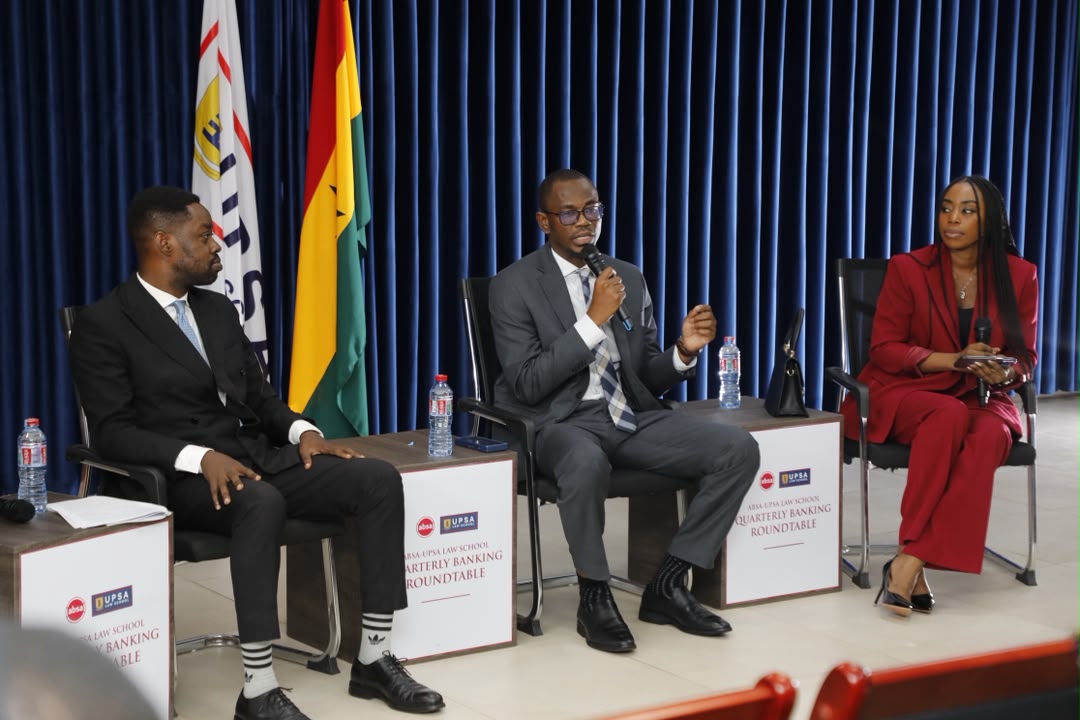
This urgent appeal emerged during the 14th edition of the ABSA-UPSA Law School Quarterly Banking Roundtable. The event, held at the Moot Court Centre, UPSA Law School, focused on the theme, 'Digital Assets Regulation in Ghana: Navigating Opportunities and Risks'. The discussions highlighted the critical need for robust regulatory measures to safeguard Ghana's financial system from emerging digital threats.
The call for enhanced regulation fits into Ghana's broader economic narrative of modernizing its financial infrastructure while mitigating associated risks. The rapid growth of digital payments and virtual assets necessitates a proactive regulatory stance. This approach ensures financial stability and protects consumers and investors in an evolving digital landscape. Ghana's financial sector has seen significant digital transformation, making these guidelines crucial for sustained growth.
Mr. Tahiru Alhassan, Head of Oversight and Compliance at the Virtual Assets Department of the Bank of Ghana, confirmed the bank's progress. He stated that the Bank of Ghana has developed comprehensive guidelines covering anti-money laundering and counter-financing of terrorism. These guidelines fall under the Virtual Assets Law Act (VASP), 2025 (Act 1154). This legislative step demonstrates the government's commitment to addressing these financial challenges.
Mr. Kwesi Dadzie-Yorke, an expert in Fintech Law and Co-Founder of Asiedu and Yorke, emphasized the widespread adoption of crypto and Bitcoin transactions among Nigeria's adult population. He urged the Ghanaian government to implement necessary rules and regulations for virtual assets and digital financing for interested citizens. Mr. Dadzie-Yorke called for a financial legal framework to ensure transparency and prevent clandestine operations in the banking sector. This framework would also enable the Bank of Ghana to fully leverage opportunities in digital financing and virtual assets.
Professor Virag Blazek of the University of Leeds School of Law, U.K., participating via Zoom, encouraged regulators to introduce prudent measures. These measures would help Ghana align with international best practices in these emerging financial markets. This alignment would allow the government to fully capitalize on the opportunities and benefits presented by digital assets. Professor Ernest Kofi Abotsi, Dean of the UPSA Law School, stressed the borderless nature of this space. He urged regulators to ensure compliance in all financial transactions.
The implications of these discussions are significant for Ghana's financial future. The Bank of Ghana and SEC will likely accelerate efforts to finalize and implement comprehensive regulatory frameworks. This will impact financial technology (Fintech) companies, traditional banks, and individual investors engaging with digital assets. The market will closely watch how these regulations balance innovation with risk mitigation. Effective regulation could position Ghana as a leader in responsible digital finance within Africa. Failure to act swiftly could expose the financial system to increased vulnerabilities.