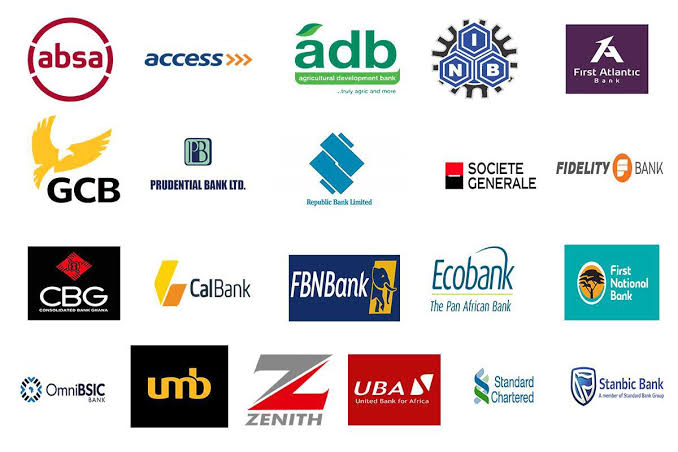
All 23 universal banks in Ghana have successfully completed their recapitalisation programmes, significantly strengthening the country's banking sector. This milestone provides lenders with stronger financial buffers to absorb potential economic shocks.
The completion of recapitalisation shifts the immediate focus from financial stability to increasing productive credit for businesses and households. This move aims to translate the banking sector's newfound resilience into tangible economic growth and job creation.
This development marks a crucial step in Ghana's post-crisis financial repair, following the domestic debt restructuring that impacted bank balance sheets. The central bank's efforts to restore confidence and ensure sufficient loss-absorbing capacity have now yielded positive results across the entire sector. This improved stability is vital for Ghana's broader economic recovery and future growth trajectory.
Dr. Johnson Pandit Asiama, Governor of the Bank of Ghana, confirmed that the sector now boasts sound capital and liquidity positions. Speaking at the 2026 CEOs Connect, he stated, "The banking sector is also robust and resilient, with all banks now well capitalised." He further noted that capital and liquidity positions remain sound, with improving asset quality strengthening balance sheets.
The central policy challenge now involves ensuring banks deploy these restored balance sheets into productive sectors without creating new cycles of poor credit decisions. This requires a careful balance between expanding credit and maintaining strict lending discipline. The Bank of Ghana has directed regulated institutions to reduce non-performing loan (NPL) ratios to no more than 10% by the end of December 2026. This target makes asset quality a defining test for the sector's ongoing recovery and its ability to support sustainable economic expansion.
Credit growth has already begun to accelerate, with private-sector credit increasing sharply in June compared to the previous year. Falling interest rates have also started to improve borrowing conditions for businesses and individuals. This recovery in lending is crucial as credit serves as a primary channel for monetary and financial stability to reach the real economy, supporting working capital, investment, and household needs.
However, the quality of this lending is as important as its quantity. While the banking sector's NPL ratio has fallen substantially from earlier elevated levels, it remains high enough for the central bank to demand continued improvement in collections and credit discipline. The 10% NPL target by December 2026 underscores the central bank's commitment to prudent lending practices.
This situation creates a difficult balancing act for banks. Overly conservative lending might preserve capital but hinder economic expansion. Conversely, aggressively chasing loan-book growth risks rebuilding the same asset-quality problems that recapitalisation aimed to resolve. The objective is therefore better lending, not just more lending, requiring stronger credit appraisal and improved monitoring.
For small and medium-sized enterprises (SMEs), the stakes are particularly high. SMEs contribute significantly to employment and commercial activity in Ghana. Many struggle to access affordable credit due to limited collateral and perceived high default risk. A well-capitalised banking system should ideally be better positioned to take measured risks on these vital businesses.
Success will depend on banks improving risk assessment to distinguish viable firms from weak borrowers without resorting to excessive collateral requirements. This same challenge applies to manufacturing and export-oriented businesses. Ghana's economic strategy increasingly relies on expanding domestic production and reducing over-reliance on imports, making robust and responsible bank lending indispensable.