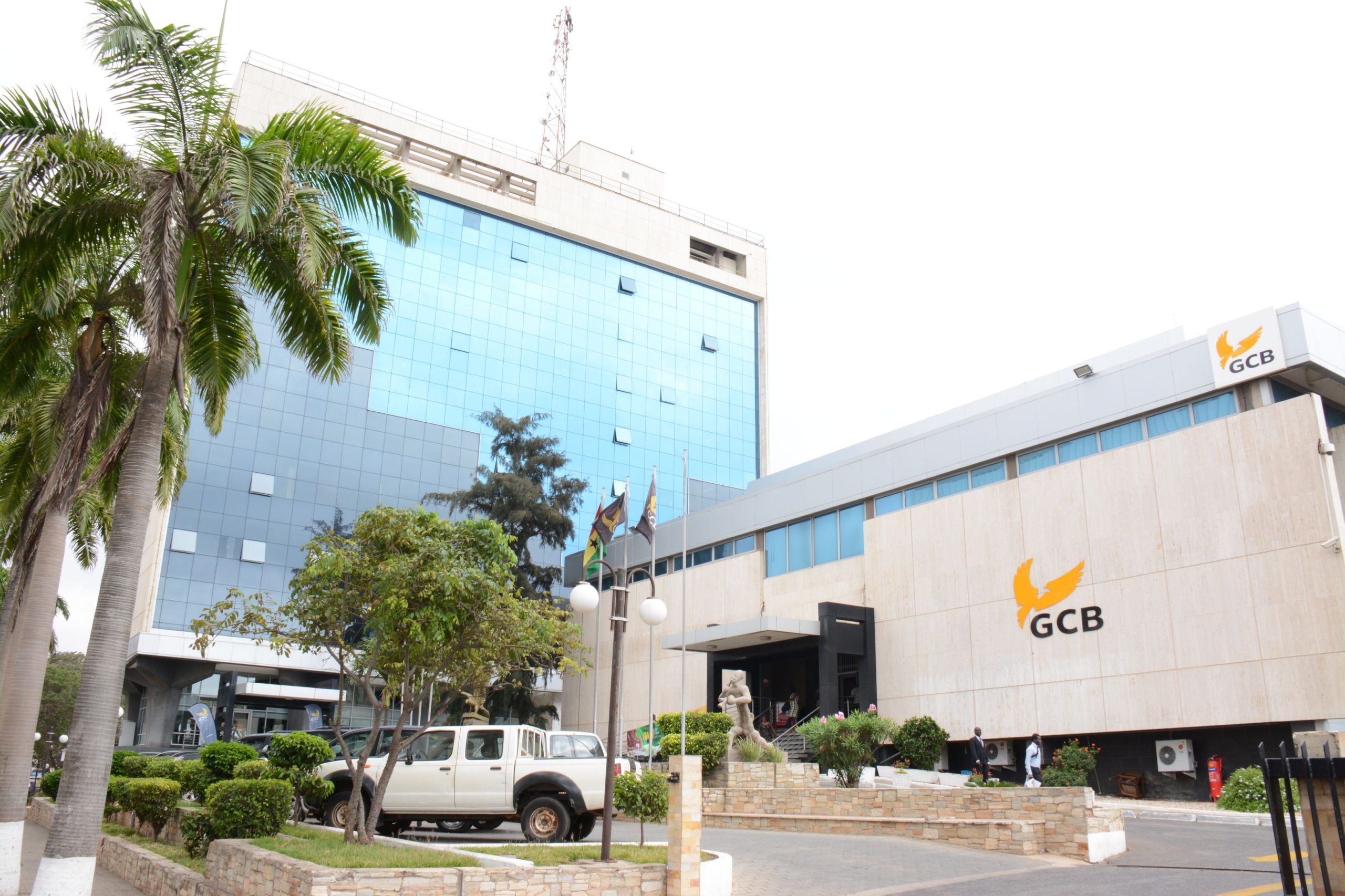
GCB Bank has officially become Ghana’s largest deposit-taking bank by market share. The bank secured 12.37% of total industry deposits in 2025, surpassing Ecobank Ghana.
This significant shift in the banking landscape is detailed in PwC Ghana’s 2026 Banking Survey. Ecobank Ghana now holds 10.52% of deposits, while Stanbic Bank Ghana accounts for 7.80%. GCB Bank’s rise marks a notable change from 2024, when Ecobank Ghana led with 14.33% and GCB Bank was second with 12.99%.
This development occurs amidst a period of robust growth across Ghana’s banking sector. Total industry deposits expanded by 25% in 2025, reaching a substantial GHS 334.3 billion. GCB Bank’s 12.37% share translates to an estimated GHS 41.3 billion in deposits, underscoring its significant financial standing. This growth reflects increased public confidence and economic activity, driving more funds into the banking system. The competition for deposits remains fierce, as banks vie for market dominance and customer loyalty.
PwC Ghana’s 2026 Banking Survey provides the authoritative figures for this market reordering. The report highlights the dynamic nature of Ghana’s financial services industry. Attracting and retaining deposits is crucial for banks to expand their lending activities and strengthen their overall market position. This data offers a clear snapshot of the competitive environment among Ghana’s leading financial institutions.
The return of GCB Bank to the top position signals a notable shift in the balance of power among Ghana’s major banks. This change will likely intensify competition for customer deposits and financial products. Other banks, including Ecobank Ghana, will now focus on strategies to regain market share. This competitive environment could lead to more innovative banking services and better offerings for customers. Regulators will also monitor these shifts to ensure financial stability.
This market leadership change has several implications for Ghana’s financial sector. GCB Bank’s enhanced deposit base provides greater capacity for lending and investment, potentially boosting economic growth. Ecobank Ghana will likely implement new strategies to challenge GCB Bank’s dominance. This rivalry could benefit consumers through improved services and competitive interest rates. Investors will closely watch how these banks adapt to the new competitive landscape. The overall health of the banking sector remains a key indicator for Ghana’s economic stability.
The increased deposit base also reflects broader economic trends within Ghana. A 25% growth in total industry deposits indicates a growing financial inclusion and trust in the banking system. This expansion provides a stable funding source for banks, allowing them to support various sectors of the economy. The competition among top banks ensures efficiency and innovation. This positive trend in deposit growth is vital for the country’s long-term economic development and financial resilience. It also suggests a maturing financial market.
GCB Bank’s strategic efforts in customer acquisition and retention have clearly paid off. Its ability to attract a larger share of deposits demonstrates effective management and strong customer relationships. This achievement solidifies its position as a key player in Ghana’s financial ecosystem. The bank’s performance will be a benchmark for others in the industry. This success story highlights the importance of strategic planning in a competitive market.