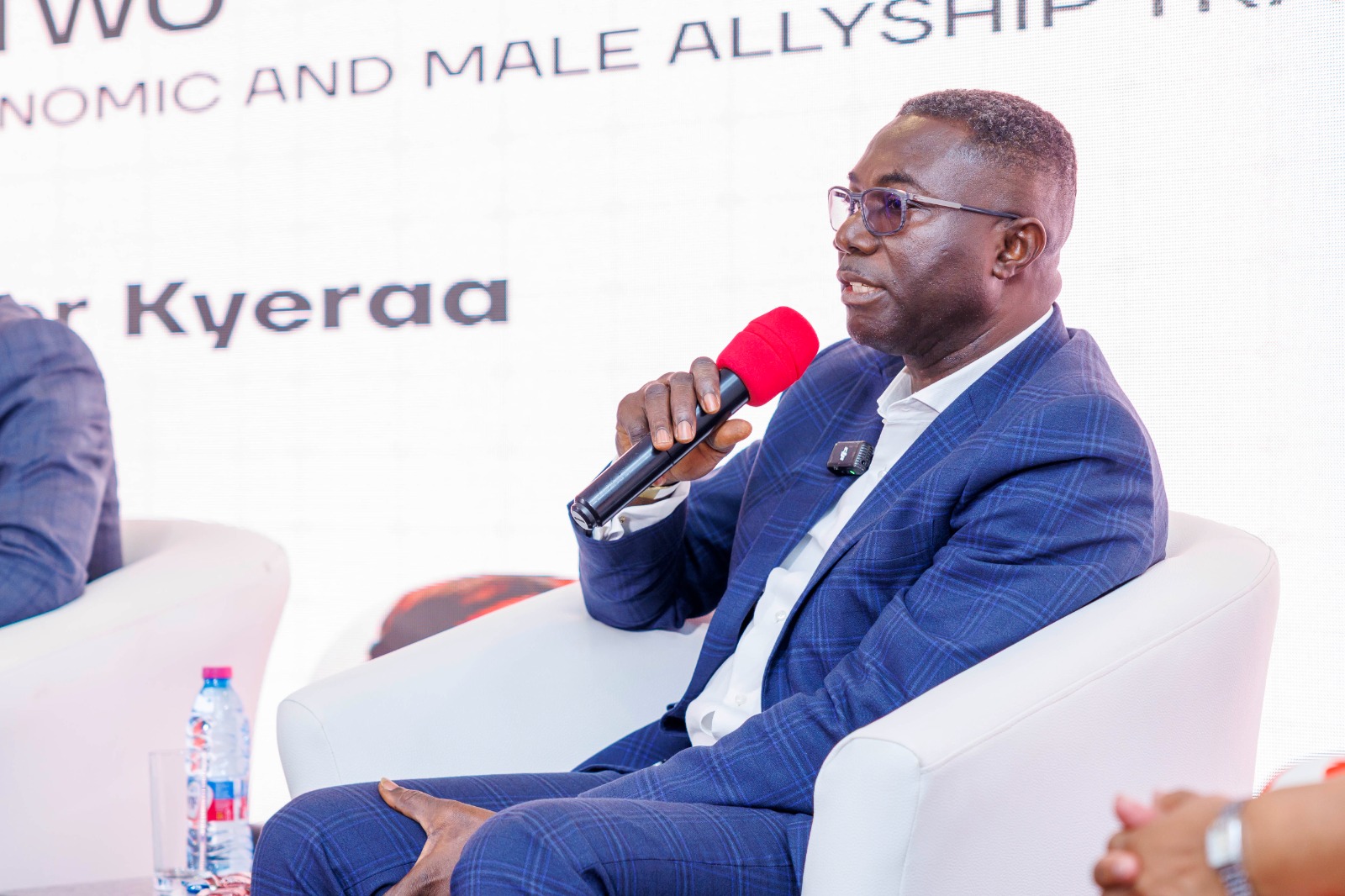
Fidelity Bank Ghana has called for stronger stakeholder collaboration, harmonised trade systems, and targeted institutional support to unlock Ghana’s trade and enterprise potential. This initiative aims to remove structural barriers hindering traders and entrepreneurs, particularly women, from achieving their full capacity.
The bank’s senior leaders made this appeal at the recent Breaking Barriers to Trade conference. Fidelity Bank participated as a speaker, addressing trade modernisation and the development of women-led enterprises. Their insights highlighted critical areas for economic improvement and growth across the nation.
This advocacy aligns with Ghana’s broader economic agenda to boost local production and exports, reduce import dependency, and foster an inclusive business environment. The government has consistently sought ways to streamline trade processes and support small and medium-sized enterprises (SMEs), which form the backbone of the Ghanaian economy. Improving data quality and customs efficiency directly supports the national digital transformation strategy.
Aaron Ameyaw, Fidelity Bank’s Director of Banking Operations, identified data quality and fragmented customs systems as major obstacles. He stated, “In Ghana, data is a problem. These AI machine learners thrive on data. And so if your data is not correct, you have big issues.” This underscores the urgent need for reliable information to power modern trade solutions.
Decision-makers must now focus on implementing robust data governance frameworks and accelerating the harmonisation of customs regimes across the West African sub-region. Businesses will watch for concrete policy changes that reduce bureaucracy and lower operational costs. The success of these efforts will directly impact Ghana's competitiveness in international trade.
Mr. Ameyaw emphasised that artificial intelligence (AI) holds significant promise for transforming trade and commerce. However, he cautioned that AI’s effectiveness depends entirely on the quality of the data it processes. Poor data leads to poor outcomes, regardless of the technology used.
He pointed to the harmonisation of customs regimes across neighbouring countries as a priority that has remained unaddressed for too long. Traders, especially women importing goods from Lomé or Nigeria, frequently encounter excessive bureaucracy. This bureaucracy slows commerce and raises costs unnecessarily, impacting profitability and market access.
Mr. Ameyaw welcomed the introduction of the Publican AI System in early 2026. This system complements the Integrated Customs Management System at Ghana’s ports. He noted it had already contributed to revenue growth of over US$300 million, demonstrating the power of effective technology partnerships.
Alex Agyei-Amponsah, Fidelity Bank’s Director of SME Banking, addressed the specific challenges facing women-led businesses in Ghana. He noted that between 38% and 46% of businesses in the region are owned by women. The primary challenge, he argued, is not a lack of ambition but structural barriers.
“It is not a desire to not grow their business. They actually desire to grow,” he explained. “But the difficulty has been: how can I manage this to the level that I can still take care of the family and still meet other obligations?” This highlights the unique societal pressures women entrepreneurs face.
Mr. Agyei-Amponsah outlined Fidelity Bank’s response through the Fidelity Young Entrepreneurs Fund. This programme targets women and youth aged 18 to 40, and up to 45 for women. It guides entrepreneurs from the idea stage through incubation and into funded, market-ready businesses.
The fund offers financing at concessionary rates. It also provides programmes specifically designed to help entrepreneurs meet regulatory and compliance requirements. These requirements often block access to markets for many small businesses, particularly those led by women.
Mr. Agyei-Amponsah also highlighted the bank’s approach to group lending as a way to expand access to finance. He cited a member of the Federation of Associations of Ghana Exporters who participated in a yam export contract to Canada as part of a group. This opportunity would have been inaccessible to her individually.
“That is how gradually we are doing it,” he said. “Once this facility is approved and the yam is exported, the next time around that woman’s business will be able to secure a contract by herself.” This demonstrates the bank's commitment to building capacity and independence.
For Fidelity Bank, these two interventions—trade modernisation and women’s enterprise development—reflect a single conviction. Breaking barriers to trade requires both the right systems and institutions willing to meet people where they are. This holistic approach is crucial for sustainable economic development in Ghana.