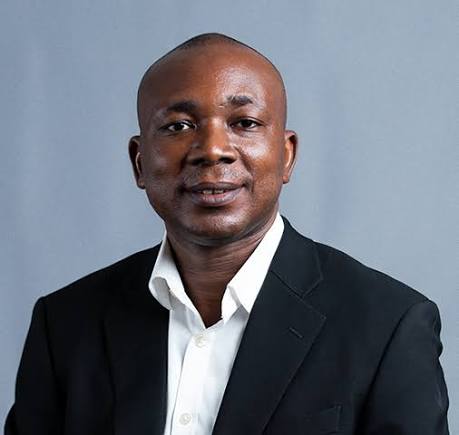
Economist Professor Godfred Bokpin advocates for a fundamental rethinking of Ghana's financial education strategy. He argues that institutions must engage citizens on the digital platforms they already use. This approach moves beyond occasional, one-off campaigns to provide continuous learning.
Professor Bokpin made these remarks at the JoyNews-Hubtel dialogue on fraud's impact on Ghana's digital economy. He highlighted the rapid growth of digital finance. This growth necessitates stronger financial and digital literacy skills for Ghanaians. These skills are vital for protecting against fraud and making sound financial decisions.
Ghana's digital economy has expanded significantly in recent years. Mobile money transactions alone reached GHS 1.1 trillion in 2023, according to Bank of Ghana data. This surge in digital transactions makes robust financial literacy programmes more critical than ever. The current reactive approach to financial education, often triggered by fraud waves, is insufficient.
Professor Bokpin stated, "The traditional Western idea of the financial market is not for ignorant people." He stressed that every participant in a financial market needs a baseline level of financial literacy. He criticized Ghana's tendency to address financial education only after problems arise. Instead, he proposed a deliberate, long-term strategy. "I think we should have an integrated approach, right from kindergarten or so, to give financial literacy," he added.
Formal education alone no longer guarantees economic participation in today's digital-first economy. Professor Bokpin warned, "You can be educated, but if you are digitally illiterate, you will be successfully unemployed." This underscores the urgency of integrating digital literacy with financial education from an early age.
Beyond early education, Professor Bokpin urged better coordination among institutions. Consistent messaging is crucial, and a significant portion of this messaging should shift online. He noted, "It's easier to find people online today than in physical locations." Institutions must follow this trend to effectively reach the public with financial information.
While acknowledging the value of in-person engagement, Professor Bokpin pointed out its limitations in a digitally connected world. He explained, "Sometimes people may be sitting here, and they actually present online. It's just their body you see physically here." This highlights the need for a hybrid approach that prioritizes digital outreach.
These comments come amid growing concerns about fraud within Ghana's digital financial ecosystem. More citizens are using mobile money, online banking, and other digital tools. A coordinated, well-resourced financial and digital literacy programme is essential. This will help people navigate the risks associated with this digital shift. The Bank of Ghana has also intensified its efforts to combat financial fraud, issuing regular advisories to the public.
The implications of this shift are profound for Ghana's economic stability. A more financially literate population is less susceptible to scams. This fosters greater trust in digital financial services. Increased trust can drive further adoption and innovation in the digital economy. Policymakers and financial institutions must collaborate to implement these recommendations. They need to develop comprehensive, accessible digital education platforms. This will ensure Ghana's digital economic growth is inclusive and secure for all citizens.