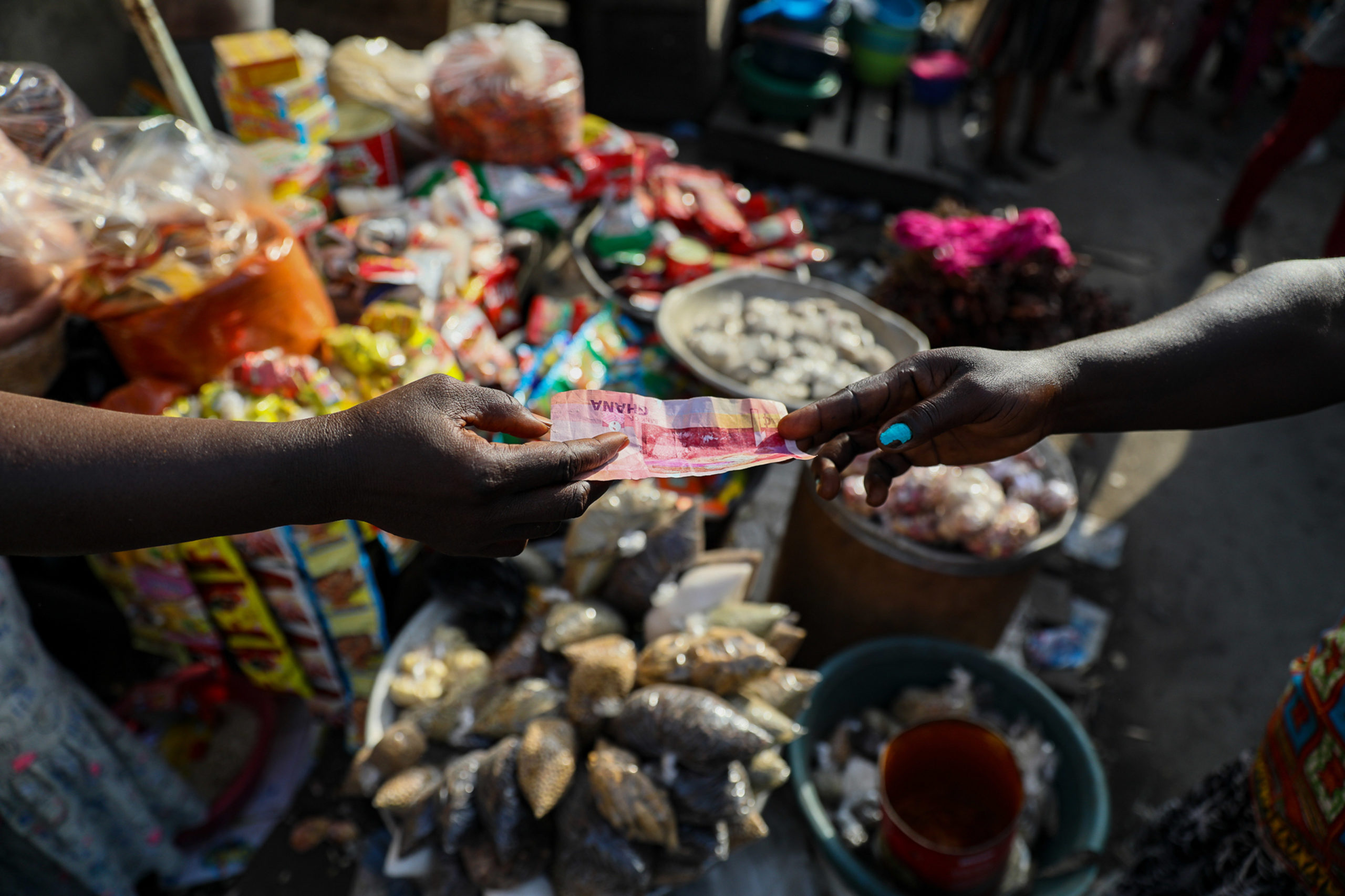
The Bank of Ghana (BoG) has launched an intensified public education campaign regarding the appropriate handling of cedi notes. The central bank warns that the poor treatment of Ghana's national currency creates both public health risks and economic costs. Governor Dr. Johnson Pandit Asiama stated that mishandling practices, including crumpling, excessive folding, stapling, writing on notes, and storing cash in unhygienic conditions, accelerate the deterioration of currency in circulation.
This accelerated deterioration significantly increases the central bank's expenses for currency replacement. Damaged notes necessitate additional resources for printing, transporting, sorting, and distributing new currency. These rising operational costs place added pressure on public resources and the BoG's budget. Extending the lifespan of banknotes through better care would reduce these expenditures and enhance efficiency in Ghana's cash-heavy economy.
This campaign aligns with broader efforts to improve public sanitation, a critical issue for Ghana's economy and society. Cash remains a primary medium of exchange, especially for traders, transport operators, and informal sector workers. The condition of cedi notes directly impacts daily commerce, as dirty or torn notes can impede transactions and erode confidence in the monetary system. The BoG's initiative links responsible currency handling to national cleanliness and economic stability.
Governor Dr. Asiama stressed the serious public health implications of dirty and poorly handled banknotes. He cited research indicating that bacteria and other harmful microorganisms can reside on banknotes not properly cared for. Speaking to traders at the Agbogbloshie Market, Dr. Asiama emphasized the importance of clean banknotes, especially in busy commercial areas. Contaminated notes can spread harmful organisms, particularly when handled alongside food or in unhygienic settings.
The BoG urges the public to adopt improved cash-handling practices. These include keeping notes clean, avoiding unnecessary folding, refraining from writing on banknotes, and not using pins or staples. Governor Asiama underscored cleanliness as both a personal and national obligation. This call for better currency management is timely, given the ongoing reliance on cash for transactions despite the growth of digital payments.
Globally, effective currency management has become an important operational concern for central banks. In Ghana, where cash transactions are prevalent, the physical state of banknotes directly influences the efficiency of commerce. Dirty, torn, or defaced notes can slow down transactions and create disputes between buyers and sellers. This drives up the burden on commercial banks and the central bank to manage and replace unfit currency.
The Bank of Ghana's campaign aims to foster smoother cash circulation and reduce the frequency with which damaged notes must be removed from the system. Maintaining the quality of banknotes not only preserves their physical appearance but also reduces avoidable replacement costs. The central bank implores the public, including traders and transport operators, to treat the cedi as a national asset that demands respect and proper care.