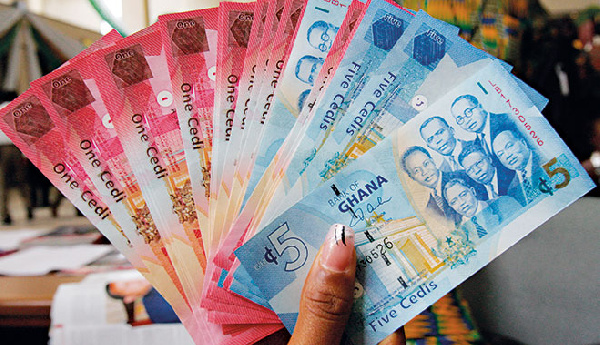
Ghana’s cedi appreciated by 2.91% against the US dollar from its July close, driven by significant foreign exchange market reforms implemented by the Bank of Ghana. The central bank introduced a comprehensive package of measures in mid-August to improve price discovery and strengthen surveillance of the FX market.
These reforms include a new methodology for determining the Foreign Exchange Market Reference Rate and revised arrangements for spot-market intervention. The Bank of Ghana also rolled out guidelines for forward FX auctions and deployed a centralized trading platform for licensed foreign-exchange bureaux. These changes aim to reduce the disruptive impact of large dollar demand on the cedi.
This development fits into Ghana’s broader economic narrative of managing currency stability and inflation. The cedi has faced historical challenges including fragmented pricing and episodic demand from large importers. The new measures seek to address these structural issues, moving Ghana’s pricing framework closer to international best practices. The official interbank end-period rate stood at GHS 11.6900 to US$1 in July 2026, after ending June at GHS 11.3500.
The Bank of Ghana stated that the new reference-rate methodology will bring Ghana’s pricing framework closer to international best practice. It also noted the centralized bureau platform is designed to strengthen transparency and oversight. This aligns with the central bank’s goal of fostering a more predictable and efficient currency market.
Going forward, these reforms are expected to provide greater certainty over future dollar costs for businesses and give the central bank better visibility over expected demand. Decision-makers and markets will closely watch the effectiveness of these measures in sustaining cedi stability and attracting foreign investment. The long-term impact on inflation and economic growth remains a key area of focus.
The reforms are particularly important for Bulk Oil Distribution Companies (BDCs) licensed by the National Petroleum Authority. These companies generate substantial and predictable foreign-exchange demand. Allowing them to secure future foreign exchange through forward auctions can shift part of this requirement away from immediate spot-market purchases. This reduces sharp short-term pressure on the cedi.
A credible benchmark for the market reference rate is crucial for businesses, financial institutions, and investors. It provides a transparent reference for pricing transactions. Significant differences between official, bank, and bureau quotations can encourage speculative behaviour and weaken confidence. The new methodology aims to eliminate such discrepancies.
The centralized platform for foreign-exchange bureaux addresses another critical issue: market fragmentation. This platform gives regulators a clearer view of transactions through licensed bureaux. It also improves the consistency of market information, helping to channel legitimate foreign-exchange activity away from informal and unauthorized markets. This move is part of ensuring the integrity and development of the financial system.
Simultaneously, the Bank of Ghana has tightened its regulatory stance on dollarization. An August 13 notice reiterated that the Foreign Exchange Act, 2006, prohibits pricing, advertising, and payment for goods and services in foreign currency in Ghana. A further notice warned against unauthorized foreign-exchange dealings, including black-market transactions. These actions underscore a broader policy strategy.
This strategy aims to reduce the domestic economy’s reliance on foreign-currency pricing while improving legitimate access to dollars. This combination is vital because simply policing dollarization without improving access to legitimate foreign exchange could push transactions further into informal markets. Conversely, providing liquidity without strengthening market structures would be less effective. The central bank is balancing these two critical objectives for sustainable currency management.