Ghana's mobile money transaction values reached GHS 493.2 billion in April 2026, marking a significant increase from GHS 447.4 billion in February 2026. This data comes from the Bank of Ghana Payment Systems Statistics. Despite this growth, cash continues to be the primary method for everyday transactions across the country.
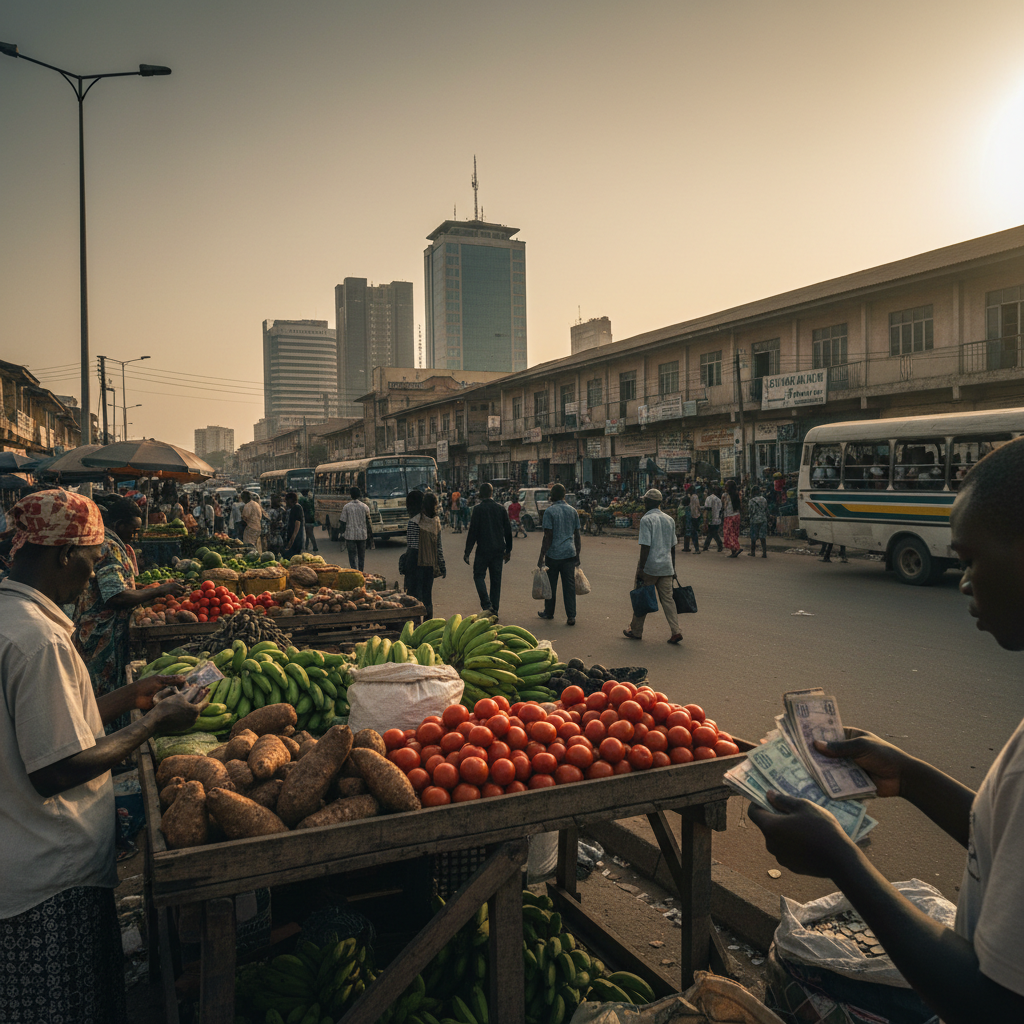
This persistent reliance on physical currency is evident in markets and small retail outlets. Even where digital payment options exist, many transactions are ultimately settled with cash. This trend affects vendors and consumers in Ghana's large informal sector.
The continued dominance of cash fits into a broader narrative of financial inclusion and digital adoption challenges in Ghana. While digital platforms have expanded access to financial services, they have not fully displaced traditional methods. This creates a dual financial system where both digital and physical currencies coexist extensively. The Bank of Ghana's data confirms 83 million registered mobile money accounts and 26 million active accounts as of April 2026.
Oliver Tackie, a writer for MyJoyOnline, highlights several reasons for cash's enduring appeal. He states that the simplicity, instant settlement, and visibility of cash transactions are key advantages. Digital payments often involve charges, including transfer fees and withdrawal costs. These costs deter both small businesses and customers, making cash a more economical choice for many. Concerns about fraud and cyber theft also make some users cautious about relying solely on digital platforms.
The implications of persistent cash usage are multifaceted for Ghana’s financial system. It means that efforts to fully digitize the economy face hurdles related to consumer preference and practical considerations. Policymakers and financial institutions must address these underlying factors to encourage a deeper shift towards digital payments. Observing how financial technologies evolve to integrate with existing cash-based practices will be crucial.
Many everyday economic activities occur in informal markets. These include payments for trotro fares, market purchases, and services from artisans. These transactions are typically fast-paced, high-volume, and low-value. Cash fits naturally into this environment due to its immediate nature and lack of setup requirements. Digital growth is therefore adding to existing systems rather than completely replacing them. This means that while digital platforms facilitate transfers and bill payments, cash frequently completes the final transaction. This 'layering effect' is a critical aspect of Ghana's economic landscape.
Trust issues also play a significant role. Mobile money scams and unauthorized transactions, often linked to '419' or 'sakawa' activities, create user apprehension. Cash provides a sense of immediate control and finality for many users. This perception of security can outweigh the convenience offered by digital solutions. As a result, individuals may use digital platforms for certain functions but convert funds to cash for daily spending.