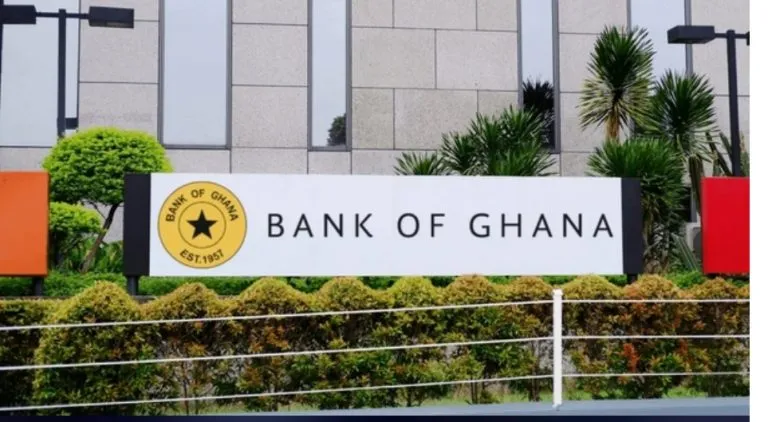
The Bank of Ghana (BoG) has warned that social engineering now represents Ghana's weakest link in digital finance security. Fraudsters increasingly manipulate customers into voluntarily disclosing sensitive information such as Personal Identification Numbers (PINs) and one-time passwords (OTPs).
This manipulation allows criminals to bypass technologically secure digital platforms, rendering advanced cybersecurity systems ineffective. The fraud methods include fake calls, fraudulent WhatsApp groups, and impersonation, targeting individuals rather than hacking financial institutions directly. This growing trust problem deeply affects Ghana's rapidly expanding digital payment ecosystem, which relies heavily on mobile money, banking apps, and fintech platforms.
This phenomenon presents a significant challenge to the Bank of Ghana's efforts to foster digital financial inclusion and maintain public confidence in the financial system. Ghana's digital finance sector has seen rapid growth, with a surge in transactions across various platforms. The BoG previously reported that Ghanaians lost GHS 3.43 million to online investment scams in the first half of 2023, underscoring the increasing vulnerability to digital fraud. The shift from technical hacking to psychological manipulation indicates a more sophisticated threat landscape for consumers.
Elhanan Owureku Asare, the BoG’s Head of Fintech and Innovation, highlighted this concern ahead of the maiden Digital Economy Forum. Mr. Asare noted, “We can protect the technology. We can protect it, prevent it from being hacked. Cyberattacks can be prevented.” He explained that cybersecurity systems, like the Financial Industry Command Security Operations Centre, block malware and protect applications. However, these systems cannot prevent customers from disclosing credentials when manipulated by fraudsters.
The implications are significant for both the financial industry and Ghanaian consumers. If customers lose trust in digital payments due to rampant fraud, they may reduce their use of mobile wallets and online banking, potentially hindering financial inclusion efforts. Financial institutions must now focus on robust customer education campaigns alongside technological improvements. The upcoming Digital Economy Forum, themed “The Trust Crisis: Why Fraud Is Holding Back Ghana’s Digital Economy,” will address these issues. This forum aims to bring attention to fraud risks undermining confidence in digital commerce and financial services. It also aligns with the BoG's broader push for an industry-wide fraud prevention framework that connects banks, fintech firms, and mobile money operators.