BoG Questions Deterrent Effect of Digital Fraud Punishments
Ghana's financial sector faces growing digital fraud threats, with GHS 99 million at risk in 2024 and low recovery rates.
Kwesi Boateng | StatsGH |
2 min read3 min listen
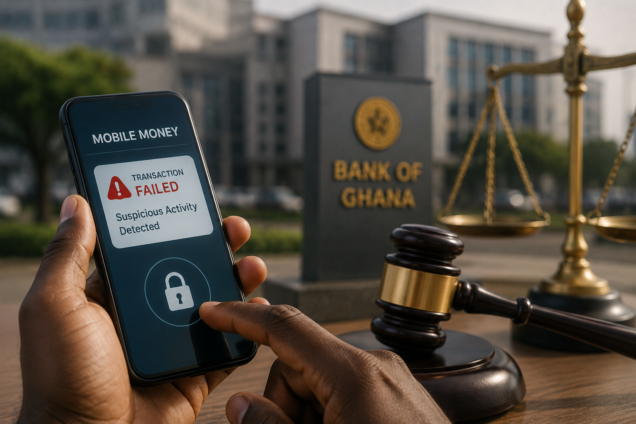
Elhanan Owureku Asare, Head of Fintech and Innovation at the Bank of Ghana (BoG), states that fraudsters weigh the risks of being caught before targeting victims. He suggests that current punishments may not be strong enough to discourage them. This situation significantly affects public confidence in mobile money, banking apps, and other digital payment channels.
This issue is crucial for Ghana's fast-growing digital economy. The increase in fraud cases threatens to undermine public trust in digital transactions. The BoG's 2024 fraud report highlights a major challenge in recovering stolen funds. Only GHS 3 million was recovered from GHS 83 million at risk for banks and specialized deposit-taking institutions, leaving GHS 80 million unrecovered.
Mr. Asare will address these concerns at an upcoming Digital Economy Forum. The forum's theme, 'The Trust Crisis: Why Fraud Is Holding Back Ghana’s Digital Economy,' reflects the seriousness of the problem. Regulatory bodies, banks, fintech companies, and telecommunications firms will discuss whether Ghana’s regulatory system is keeping pace with digital finance growth.
Mr. Asare suggests that increased public awareness of convictions and punishments could act as a stronger deterrent. He states that Ghana must publicize these legal outcomes more effectively. This would ensure fraudsters understand the severe consequences of digital financial crime, regardless of the amount involved.
The BoG's 2024 fraud report directed banks and specialized deposit-taking institutions to collaborate with law enforcement. This collaboration aims to apprehend and prosecute suspected fraudsters. Payment service providers also received directives to strengthen authentication measures and educate customers.
Prolonged legal proceedings make recovering fraud proceeds difficult, as noted in the BoG report. Financial institutions sometimes abandon recovery efforts due to these lengthy processes. This affects their ability to recoup losses from fraudulent activities.
Mr. Asare emphasizes that preventing fraud also means building robust systems that reduce opportunities for criminals. He highlights social engineering as a difficult crime to prevent. Fraudsters often manipulate customers into revealing sensitive information like one-time passwords and PINs.
The fight against digital fraud requires a combination of prevention, prosecution, and public awareness. Effective punishment must be visible and consistently enforced to deter future offenders. This continuous effort is vital for the integrity and growth of Ghana's digital financial ecosystem.