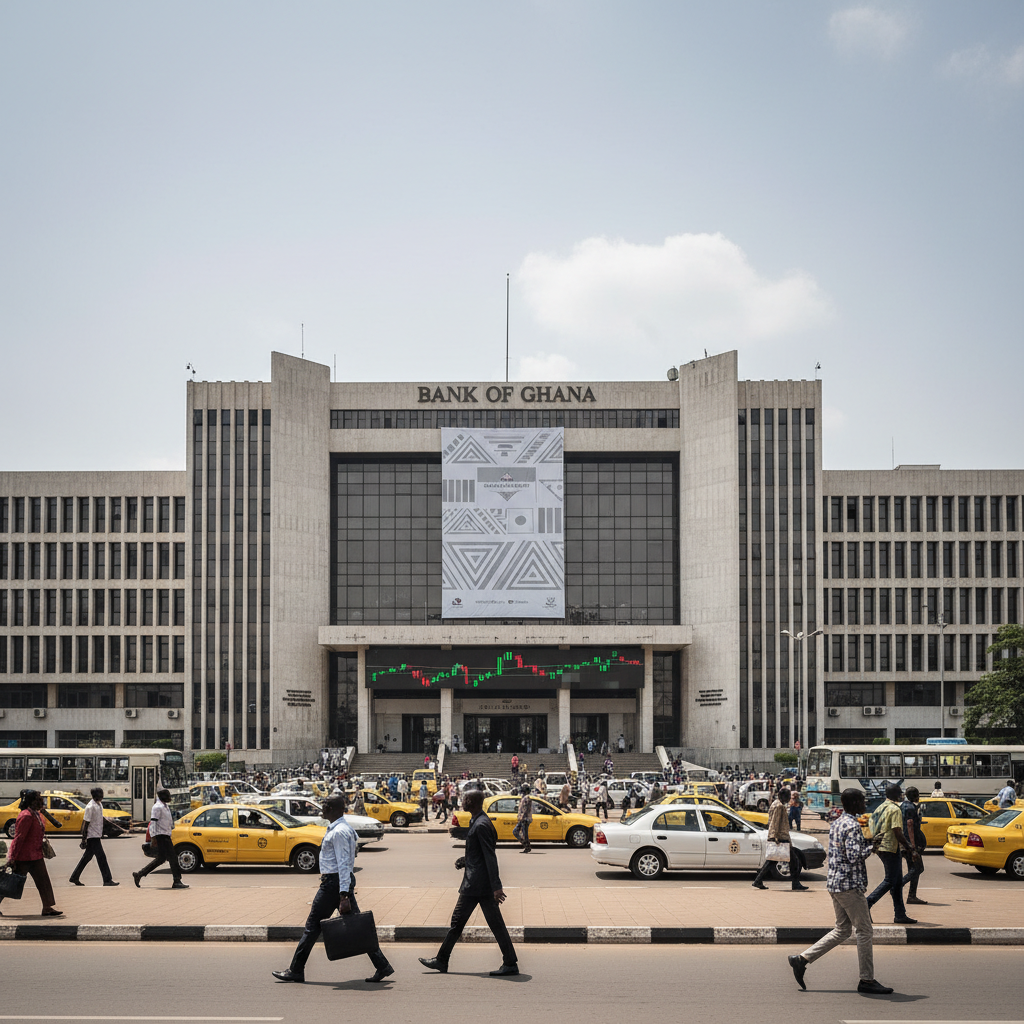
Bank of Ghana (BoG) Governor, Dr. Johnson Asiama, announced that Ghana's recovery from recent economic difficulties highlights the importance of robust domestic debt markets. These markets are essential for strengthening economic stability across Africa. He made this statement at the Bank for International Settlements (BIS) Roundtable of African Central Bank Governors in Basel on Saturday, June 27, 2026.
Dr. Asiama shared lessons from Ghana's economic journey. He emphasized how domestic debt markets can build resilience and maintain financial stability. African economies increasingly use domestic borrowing to fund development projects and meet financial obligations. Therefore, governments and policymakers must focus on building deeper, more efficient, and diverse capital markets. This approach reduces vulnerability to external shocks.
Ghana’s experience fits into a wider African narrative of developing self-sufficiency. Many African nations seek ways to finance their growth without heavy reliance on foreign aid or volatile international loans. Data often shows that countries with well-developed local financial markets can better withstand global economic downturns. For instance, countries with strong domestic bond markets can issue debt in local currency, reducing exchange rate risks. Ghana's recent economic challenges, including high public debt and currency depreciation, underscore the urgency of these lessons.
Dr. Asiama explicitly stated, "Ghana's economic journey from crisis to recovery offers important lessons on the growing role of domestic debt markets in strengthening resilience while safeguarding financial stability." He explained that robust domestic debt markets are vital. They help reduce economic vulnerabilities, broaden financing options, and promote sustainable long-term growth across the continent. Strengthening these markets also improves countries' ability to mobilize local resources. This reduces dependence on external borrowing, making economies more robust.
The insights from Governor Asiama suggest a clear path for African economies. Decision-makers will likely consider policies that encourage the growth of local capital markets. This includes measures to attract more domestic investment and improve market infrastructure. Markets will watch for any legislative changes or new financial instruments designed to deepen Ghana's domestic debt market. Other African nations may also look to Ghana's recovery as a model for their own financial strategies. This focus on domestic solutions aims to create more resilient economies. It will help them better navigate future global economic uncertainties.