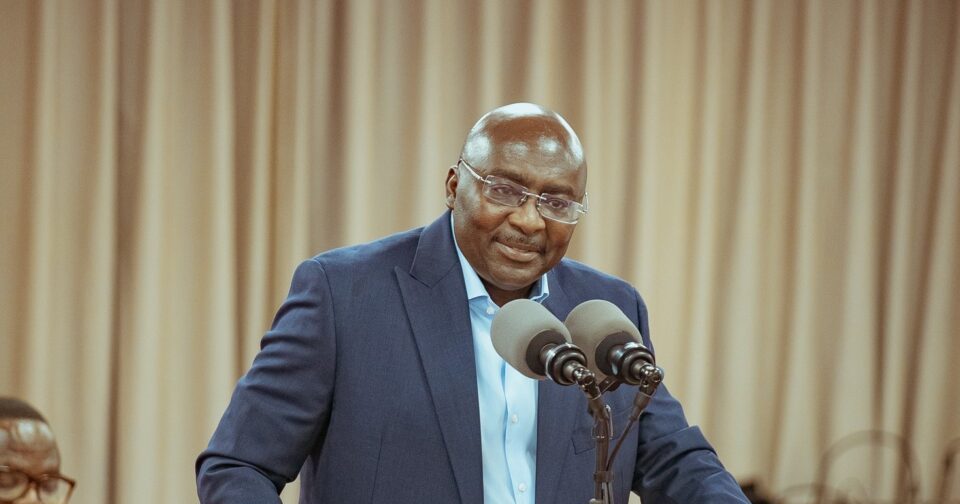
Former Vice President Dr. Mahamudu Bawumia has proposed establishing a Minerals Development Bank to support Ghana's small-scale miners. This bank aims to help these miners expand their operations and combat illegal mining, known as galamsey.
Dr. Bawumia stated that small-scale miners should not be blamed for Ghana's mining problems. Instead, they need support to operate legally and responsibly. This approach would reduce the incentive for illegal mining by helping legitimate miners grow their businesses.
This proposal fits into Ghana's ongoing efforts to formalize its mining sector and boost local participation. The mining industry is a significant contributor to the nation's economy. Addressing galamsey remains a critical challenge for the government, impacting environmental health and national revenue. Previous policies have struggled to effectively curb illegal activities while supporting local miners.
Speaking to the Ghana National Association of Small-Scale Miners in Accra, Dr. Bawumia emphasized their importance. He noted that small-scale miners now produce more than 52% of Ghana’s gold. He recalled engaging them during the Domestic Gold Purchase Programme to ensure the policy benefited them. This engagement highlighted their crucial role in the national gold output.
The proposed bank would provide affordable financing for local miners. It would also help them acquire modern mining equipment and secure concessions. This support is essential for miners to develop their operations efficiently. Many Ghanaian miners currently lack the capital needed to develop their concessions. This forces them to rely on foreign financiers, which can lead to foreign control and gold smuggling. The Minerals Development Bank would assess concession viability and offer loans repayable from earnings.
The establishment of such a bank could significantly impact Ghana's mining sector and broader economy. It promises to formalize a large segment of the industry, increasing tax revenues and improving environmental standards. This move could also empower local entrepreneurs and reduce the social costs associated with illegal mining. Decision-makers will watch how this proposal gains traction and how it integrates with existing regulatory frameworks. The Bank of Ghana and the Minerals Income Investment Fund (MIIF) are expected to collaborate on this initiative. Private-sector partners would also play a role in its implementation. This comprehensive approach seeks to transform the small-scale mining landscape. It aims to create a more structured and beneficial sector for all stakeholders. The decentralization of the Minerals Commission and Environmental Protection Agency to mining districts is also part of the plan. This would improve oversight and support at the local level. District mining committees would further enhance local governance of mining activities. The use of geological data to identify gold deposits would guide miners to viable areas. Creating equipment pools and shared gold-processing facilities would also lower operational costs. These measures collectively aim to professionalize the small-scale mining industry. They would ensure sustainable practices and increase economic benefits for Ghana. This initiative represents a strategic shift towards empowering local miners. It moves away from purely punitive measures against galamsey. The focus is now on creating pathways for legal and responsible growth. This could lead to a more stable and prosperous mining sector. The long-term implications for Ghana's gold production and export earnings are substantial. It also addresses environmental degradation by promoting regulated practices. The success of this bank will depend on its ability to provide accessible and tailored financial products. It must also ensure robust oversight and technical support for miners. This policy could set a new standard for managing natural resources in Ghana. It balances economic development with environmental protection and social equity. The proposal is a key part of Dr. Bawumia's vision for economic transformation. It seeks to leverage Ghana's natural resources for inclusive growth. The initiative could also attract further investment into the formal mining sector. This would create more jobs and stimulate local economies in mining regions. The government's commitment to this vision will be crucial for its successful implementation. It requires strong collaboration among various state institutions and private entities. The impact on gold exports and foreign exchange reserves could be positive. This would strengthen Ghana's overall economic stability. The move is expected to be a central theme in future economic policy discussions. It highlights the importance of the mining sector to Ghana's development agenda.