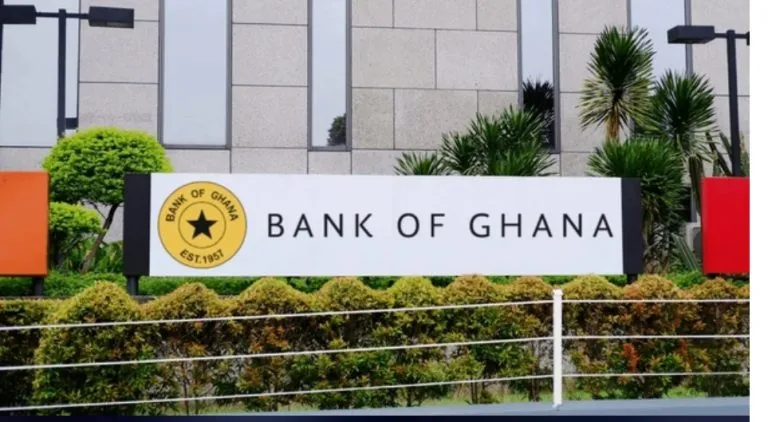
The Bank of Ghana has withdrawn GHS 11.39 billion from the financial system by selling short-term central bank bills. This action is part of the central bank's ongoing efforts to manage the amount of money circulating in the economy. The sale of these 14-day bills occurred through Tender 868, which concluded on Monday, June 29, 2026.
These bills attracted bid rates between 10.40% and 10.46% per year. The Bank of Ghana accepted all bids within this discount-rate range. The corresponding interest rate range was 10.44% to 10.50%, with a weighted average interest rate of 10.49% for the period. This withdrawal aims to absorb excess cash from banks, which helps the central bank manage inflation and stabilize Ghana's currency.
This operation is a key part of the Bank of Ghana's open market operations. These involve issuing short-term securities, such as these bills, to control liquidity in the banking system. Unlike regular Treasury bills, which the government uses to raise money for its budget, Bank of Ghana bills are monetary policy tools. They primarily manage the amount of money available, influencing interest rates and inflation. Ghana's economy has faced challenges with inflation and currency stability, making these liquidity management efforts crucial.
The GHS 11.39 billion sale shows the central bank's continued focus on removing excess money from the market. This strategy helps keep short-term money market conditions in line with its goals of reducing inflation and keeping the cedi stable. Excess money in the banking system can push up short-term interest rates. It can also increase demand for foreign currency, weakening the cedi and making the central bank's policies less effective. By removing this cash, the Bank of Ghana helps to moderate the amount of money in the financial system.
Aimee Vyda Quashie, Secretary of the Bank, signed the notice to banks and the public on June 29, 2026. This notice announced the results of the tender. The 14-day duration of these bills gives the central bank flexibility to react quickly to changes in market conditions. Investors and businesses closely watch exchange rate movements, inflation expectations, and bank liquidity. The weighted average interest rate of 10.49% provides a clear indication of pricing in the short-term money market. The large amount sold emphasizes the significant scale of liquidity the central bank is managing.
The latest auction confirms the Bank of Ghana's ongoing reliance on short-term securities to manage liquidity. This is essential for maintaining monetary stability as Ghana continues its economic recovery. It also helps to keep inflationary pressures in check. These operations are vital for ensuring a stable economic environment for investment and growth.