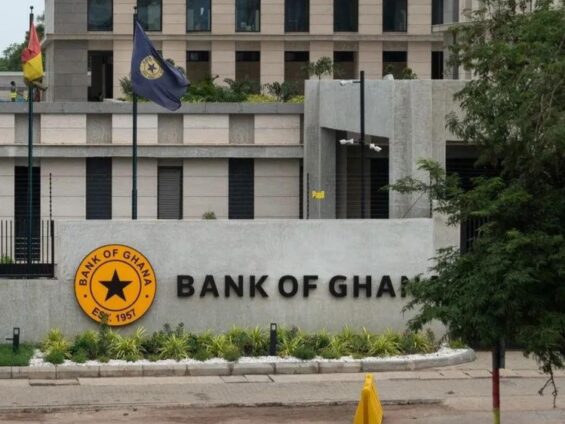
The Bank of Ghana (BoG) will soon take regulatory action against Digital Credit Service Providers (DCSPs) operating without a licence. This decision follows the expiration of the June 30 deadline for these mobile loan applications and providers to regularise their operations.
This enforcement aims to bring order to Ghana's rapidly expanding digital lending landscape. The central bank seeks to protect consumers from predatory practices and ensure the stability of the financial system. Unlicensed operators often lack transparency and consumer protection mechanisms, posing significant risks to borrowers.
This regulatory push aligns with Ghana's broader efforts to strengthen its financial sector oversight. The BoG has consistently emphasized the importance of compliance across all financial services. This action also reflects a global trend where central banks are increasing scrutiny on fintech companies to mitigate risks. The cedi has seen modest weakening in the interbank market, trading at GHS 12.20 to the dollar, underscoring the need for a stable financial environment.
The Bank of Ghana stated that all entities failing to comply with the directive may face regulatory action. This action will be in accordance with applicable laws and regulations. The central bank also advised the public to exercise caution when dealing with digital credit providers. It urged consumers to engage only with entities duly licensed by the Bank of Ghana.
The BoG will publish and maintain an updated list of licensed Digital Credit Service Providers on its official website. This transparency initiative will help consumers verify the legitimacy of lenders. The bank has also released detailed Frequently Asked Questions (FAQs) on its website. These FAQs provide guidance on licensing requirements, how to verify licensed providers, and the implications for non-compliant operators and their customers.
This regulatory intervention is crucial for maintaining public trust in digital financial services. It will likely lead to a more structured and secure digital lending market in Ghana. Consumers should regularly check the BoG's website for the updated list of licensed providers. This will ensure they only engage with legitimate and regulated services. The move is expected to impact the operations of many smaller, unregulated digital lenders.
The BoG's proactive stance is part of its mandate to ensure a sound financial system. It also supports economic growth by fostering a safe environment for digital innovation. This action will help to curb potential financial malpractices and protect vulnerable borrowers. The central bank's commitment to transparency through publishing licensed entities is a significant step forward.
The implications for the market are substantial, as it will likely consolidate the digital lending space. Only compliant and well-regulated entities will be able to operate legally. This will benefit consumers by reducing exposure to fraudulent or exploitative lending practices. It also signals the BoG's firm resolve to enforce its regulatory framework across all financial sectors.