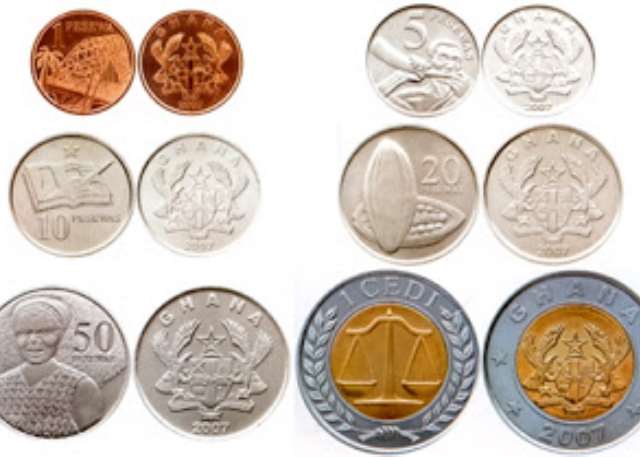
The Bank of Ghana has declared that refusing to accept Ghana cedi coins for goods and services is illegal. This action could lead to criminal sanctions, including imprisonment, fines, or both. The central bank aims to enforce legal tender rules across the country.
This warning, issued in a public notice dated July 22, 2026, addresses the widespread refusal by traders, transport operators, and businesses to accept various coin denominations. These include 1 pesewa, 5 pesewa, 10 pesewa, 20 pesewa, 50 pesewa, GHS 1, and GHS 2 coins. The Bank of Ghana views this rejection as a serious threat to the national currency system.
This directive represents a stronger regulatory response to a persistent problem in daily transactions. Businesses often reject coins due to perceived inconvenience, low value, or customer preferences. The Bank of Ghana Act, 2002, and the Currency Act, 1964, both stipulate that all issued coins remain lawful currency. This means they must be accepted for all transactions and debt settlements throughout Ghana.
Aimee Vyda Quashie, Secretary of the Bank of Ghana, signed the public notice. The notice explicitly states that no entity or individual has the discretion to unilaterally reject coins in legitimate transactions. This warning elevates the issue from a mere public inconvenience to a matter of legal enforcement. The central bank is asserting its authority over the currency it issues.
For many consumers, the rejection of coins has created significant transaction friction. Small denominations are often dismissed as worthless or difficult to manage. However, the central bank views this practice as undermining the integrity of the currency system. It also impacts the public's confidence in the value of the national currency.
Refusing to sell an item to a buyer because they pay with coins or notes, unless the currency is no longer legal tender, constitutes an offence. The penalties for such an offence are severe. A person convicted may face imprisonment for up to three years, a fine, or both. This underscores the seriousness with which the Bank of Ghana is approaching the issue.
The Bank of Ghana also warned that individuals who encourage or instruct others to reject coins could face similar penalties. This means business owners instructing staff not to accept coins are also at risk of legal consequences. This measure aims to prevent indirect facilitation of coin rejection.
In a strong enforcement signal, the notice indicates that individuals caught committing this offence may be arrested without a warrant. The Bank of Ghana will collaborate closely with the Ghana Police Service and other law enforcement agencies. Their goal is to ensure appropriate action against individuals or businesses found culpable of rejecting coins.
The public is encouraged to report instances of coin rejection to the nearest Bank of Ghana office, the Ghana Police Service, or through the Bank’s official communication channels. This public involvement is crucial for effective enforcement. It empowers citizens to help maintain the integrity of the currency.
The rejection of coins, while seemingly minor, has broader economic implications. It complicates pricing mechanisms and can lead to rounding behaviour by businesses. This often inconveniences consumers and can subtly increase transaction costs. If small denominations are not accepted, businesses might round prices upwards or fail to give correct change, shifting costs to consumers.
This issue particularly affects low-income households. Small coins, though individually insignificant, are vital in markets, transport fares, and daily retail transactions. They form a crucial part of the cash-based economy. Refusing coins can therefore penalise consumers who transact in smaller amounts, impacting their purchasing power.
This latest notice follows an earlier directive from July 14, 2026, concerning the misuse and illegal handling of Ghana cedi banknotes and coins. While the previous directive focused on physical misuse, the current one targets the refusal to accept coins as legal tender. These two notices demonstrate the central bank's comprehensive approach to currency discipline. The Bank of Ghana is not only concerned with monetary policy and inflation but also with the public's proper use and acceptance of the national currency.