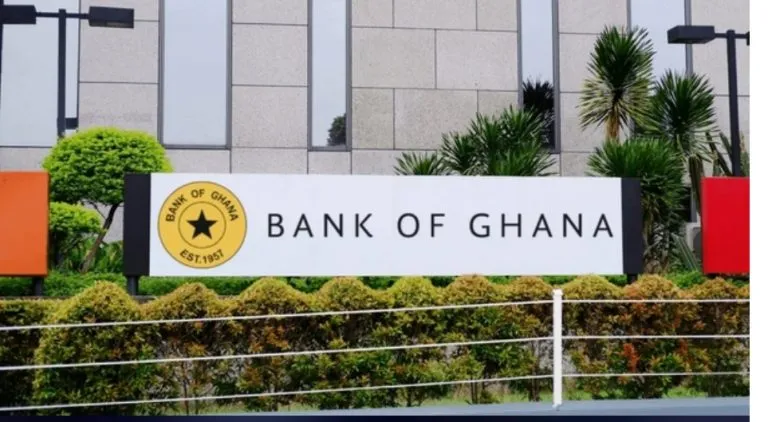
The Bank of Ghana sold GHS 12.14 billion in 14-day securities at its latest auction. This transaction highlights the central bank's active management of short-term liquidity in the financial system.
This substantial sale occurred through Tender 876, held on August 26, 2026. The weighted average interest rate for these bills settled at 10.50%. This operation provides a crucial short-term pricing reference for the financial system.
This action fits into Ghana's broader economic narrative of managing inflation and interest rates. The central bank uses such instruments to influence market conditions. It aims to ensure stability as the economy adjusts to new realities.
The Bank of Ghana's official auction notice confirmed these figures. It allotted the 14-day BoG bills at bid rates between 10.40% and 10.46% per annum. The weighted average discount rate was 10.45%.
This operation has several implications for Ghana's financial markets. It affects how banks manage their money. It also influences the attractiveness of other short-term investments. Decision-makers will watch these operations closely for clues on monetary policy direction.
The GHS 12.14 billion sale represents a significant movement of liquidity. These instruments mature in just two weeks. This short maturity means the central bank can quickly adjust its approach. It responds to fast-changing market conditions.
BoG bills are a key tool for the central bank. They help manage the amount of money flowing in the banking system. They also support the transmission of monetary policy. This means they help central bank decisions reach the wider economy.
When there is a lot of money in the financial system, these short-dated securities offer banks an investment option. They earn interest on their excess funds. At the same time, the central bank can influence short-term market rates.
The accepted bid range was quite narrow, between 10.40% and 10.46%. This suggests that participating institutions had similar expectations for rates. This consensus indicates a degree of stability in short-term market sentiment.
Banks constantly decide where to put their money. They can hold cash, lend to other banks, or buy government securities. The yield, or return, on BoG bills affects these choices. It guides how money moves through the financial system.
For monetary policymakers, this is especially important. Changes in inflation and policy rates alter the real returns on different investments. The pricing of short-term instruments helps reinforce the overall monetary policy framework.
It shapes the cost of holding extra money for banks. It also provides a benchmark for very short-term interest rates. This helps to guide other market rates.
However, the GHS 12.14 billion figure alone does not tell the full story. We cannot automatically say if monetary policy has tightened or loosened. The auction notice does not state if previous bills matured at the same time. Without this information, the net effect on liquidity is unclear.
For example, if a similar amount of old bills matured, the new sale might not reduce overall liquidity. This distinction is vital when evaluating central bank operations. Gross issuance is the total amount sold. The net impact depends on new sales versus maturing securities and other money flows.
Despite this, the latest results show the large scale of these operations. Short-term central bank securities are heavily used in Ghana's financial system. The GHS 12.14 billion amount is substantial compared to many other domestic transactions. It shows strong demand for very short-term assets.
A 14-day maturity also reduces risk for investors. They do not have to commit their money for long periods. This makes these bills attractive in uncertain times. The central bank continues to adapt its tools to maintain economic stability.