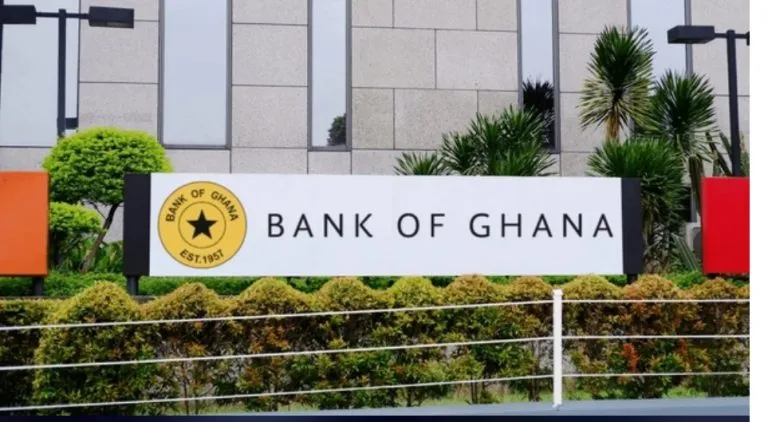
The Bank of Ghana successfully raised GHS 12.89 billion through its latest auction of 14-day bills. This operation, part of Tender 878 held on September 7, 2026, saw the securities issued at a weighted average interest rate of 10.50%.
This significant absorption of funds is a crucial part of the central bank's ongoing efforts to manage short-term liquidity in the financial system. The Bank of Ghana uses these bills to influence monetary conditions, ensuring that the amount of money circulating in the economy aligns with its policy goals. This action helps to control inflation and maintain stability.
This operation fits into Ghana's broader economic narrative of careful monetary management. The central bank frequently uses such tools to sterilise, or remove, excess liquidity from the banking system. This helps to prevent too much money from chasing too few goods, which could lead to higher prices. The distinction between these central bank bills and government Treasury bills is vital; the former manages money supply, while the latter funds government spending.
According to the central bank's notice, bid rates for the 14-day Bank of Ghana bill ranged from 10.40% to 10.46% on a discount-rate basis. The weighted average discount rate settled at 10.46%, indicating a narrow pricing band among market participants. This suggests a relatively consistent view on the short-term interest rate environment.
The issuance of these bills has several implications for Ghana's financial markets. It indicates the central bank's assessment of current liquidity levels, suggesting a need to absorb excess funds. Financial institutions, such as banks, will respond by adjusting their lending and investment strategies. They might choose to place excess funds in these risk-free central bank bills, potentially affecting the availability of credit for the private sector.
This type of operation is not government borrowing, but rather a balance-sheet activity by the Bank of Ghana. It aims to control the money supply, not to finance government expenditure. This distinction is important for understanding Ghana's public debt and monetary policy stance. The GHS 12.89 billion raised represents a temporary withdrawal of funds from circulation.
The interest rate of 10.50% on these short-term bills also carries a cost for the central bank. If large volumes of these securities are continuously issued and rolled over, the interest expense can become substantial. Effective liquidity management requires balancing the desired monetary outcome with the cost of sterilisation. This also means avoiding unnecessary distortions in how funds are allocated within the financial sector.
Short-term central bank bills can influence banks' decisions on where to put their money. A risk-free instrument offering a 10.50% annualised return provides an attractive alternative for excess liquidity. This could affect how banks allocate funds between lending to businesses, buying government securities, or other investments. While not every cedi placed in these bills would otherwise go to private sector credit, the impact on credit availability is a consideration.
The narrow spread in accepted rates, from 10.40% to 10.46%, provides useful information about conditions in the short-term money market. It suggests that market participants had a tight range of expectations for the two-week instrument. For monetary policy, the central bank must consider what happens beyond this single auction. Liquidity conditions constantly change due to government payments, tax receipts, and foreign exchange transactions. The central bank must therefore continuously adjust its operations to manage these flows effectively.