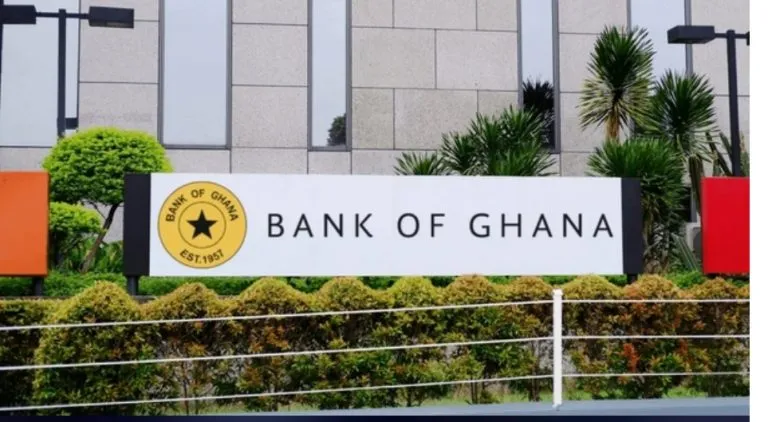
The Bank of Ghana (BoG) successfully raised GHS 10.2 billion through 14-day bills in its latest tender. This action reinforces the central bank’s strategy of using short-dated instruments to manage liquidity within the banking system.
The tender, held on September 2, 2026, saw the BoG issue a 14-day bill under ISIN GHCBAGH01397. The total amount sold was GHS 10,203.30 million, equivalent to GHS 10.20 billion. This significant absorption of funds indicates the central bank's active role in influencing short-term money market conditions.
This operation fits into Ghana's broader economic narrative of careful monetary management. The BoG uses these bills to absorb excess cedi liquidity, preventing potential inflationary pressures and stabilizing the financial system. Unlike Treasury bills, which fund government spending, BoG bills serve a purely monetary purpose, managing the money supply rather than financing the national debt.
The weighted average interest rate for the 14-day bills settled at 10.4972%. This rate provides a clear indication of how market participants value placing funds with the Bank of Ghana for a very short period. The narrow range of bid rates, from 10.4000% to 10.4578%, suggests a concentrated market expectation for short-term returns.
This large-scale liquidity operation has several implications for Ghana's financial landscape. It suggests that the banking system currently holds substantial excess liquidity, which the central bank aims to sterilize. Decision-makers and market participants will closely watch if such large operations continue, as this would indicate persistent excess liquidity rather than a temporary condition. This could influence interbank rates, bank reserve management, and the pricing of other short-term assets.
The distinction between BoG bills and government Treasury bills is crucial. BoG bills are a liability of the central bank, part of its monetary operations. They do not add to the government's conventional domestic debt. This clarifies that the GHS 10.2 billion raised is for monetary policy, not fiscal financing.
The short maturity of these bills offers the central bank flexibility in managing liquidity. However, it also means that the absorbed funds can return to the system quickly when the bills mature. Therefore, the BoG might need to roll over these operations or issue new ones to maintain its desired liquidity stance.
The tight pricing observed in the tender, with a difference of only 5.78 basis points between the lowest and highest bids, reflects market confidence. It shows that market expectations regarding appropriate short-term returns were relatively aligned. The Bank accepted the entire quoted range, further indicating a stable market response.
For monetary policy analysis, the key is not just the headline amount but how this operation aligns with broader liquidity conditions. Repeated issuance of central bank bills may be necessary if excess liquidity remains abundant. This ensures that short-term financial conditions remain consistent with the central bank's overall monetary policy objectives.
The September 2, 2026, tender results send two clear messages. First, the Bank of Ghana remains highly active in using very short-term securities for liquidity management. Second, the market is currently pricing these 14-day funds at approximately 10.50% per annum. The ongoing need for such large operations will be a key indicator of the financial system's liquidity levels.