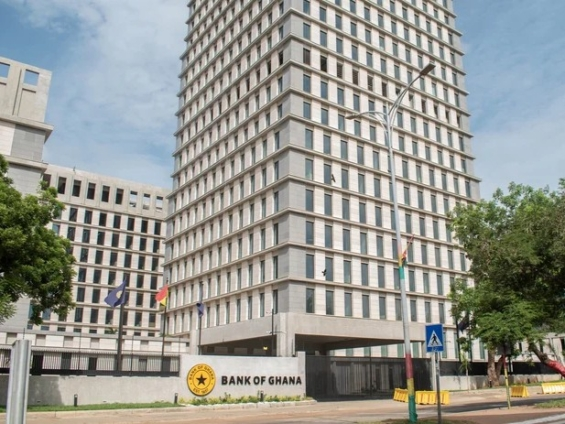
The Bank of Ghana (BoG) has implemented a directive prohibiting the spraying of money at public events, a measure strongly endorsed by financial expert Dr. Richmond Owusu Tuahene. This action is deemed essential and timely due to the escalating costs involved in producing Ghana's national currency. The directive targets the widespread cultural practice of distributing banknotes at social gatherings, including weddings, funerals, parties, and various entertainment events.
This prohibition addresses the significant financial burden placed on the state by the rapid deterioration of the Ghana cedi. Dr. Owusu Tuahene explained that the production of banknotes incurs substantial costs. When currency is sprayed, stepped on, crumpled, or otherwise mishandled during events, it quickly becomes damaged and unfit for continued circulation. This necessitates the central bank spending additional resources to replace worn-out notes, creating an avoidable financial strain on the national economy.
The BoG's directive aligns with broader efforts to maintain the integrity and stability of the Ghanaian financial system. Ghana has consistently faced challenges with currency management, including the need to frequently replace damaged notes. This new measure complements existing regulations aimed at ensuring the proper handling of the cedi, reinforcing the idea that currency is not merely paper but a symbol of national value and economic stability. Previous warnings from the BoG, such as rejecting Ghana cedi coins being a criminal offense, highlight the central bank's ongoing commitment to currency protection.
Dr. Owusu Tuahene, in an interview with Adom News, clarified that this directive is not a new restriction. Instead, it reinforces existing laws that already prohibit actions defacing, destroying, or misusing currency. He stressed that strict enforcement is vital to prevent practices that could undermine the country's monetary system. "Currency is not just paper; it is a symbol of national value and economic stability. Protecting it should be a shared responsibility," he stated.
The directive has, however, encountered opposition, particularly from individuals within the entertainment sector. Some celebrities and entertainers argue that money spraying constitutes a direct source of income at social events for musicians, DJs, and masters of ceremonies. They question why enforcement appears to focus more on entertainers than other groups who also mishandle currency in different settings, such as marketplaces. Despite these concerns, Dr. Owusu Tuahene maintains that the law must apply equally to all citizens, regardless of their profession or social standing. He insists that enforcement must be fair and comprehensive, emphasizing that protecting the country's currency is a collective responsibility benefiting all Ghanaians. This move by the BoG signals a stronger stance on currency preservation, which could lead to reduced operational costs for the central bank and a longer lifespan for circulating banknotes.