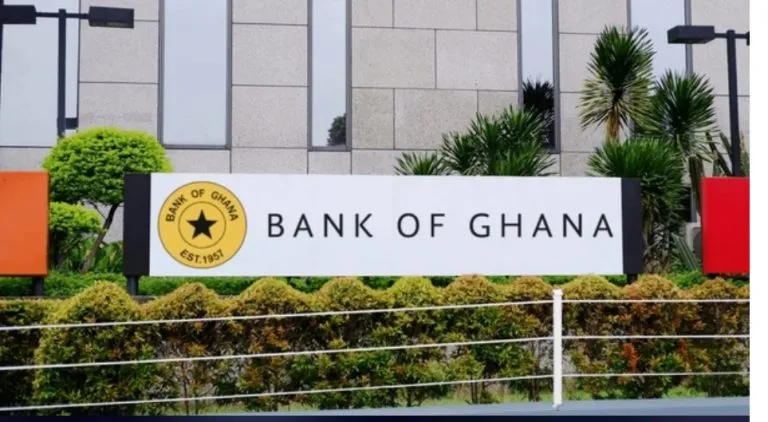
The Bank of Ghana (BoG) issued GHS 13.71 billion in 14-day central bank bills. The weighted average interest rate for these short-term securities settled at 10.50%. This transaction, part of Tender 879 on September 14, underscores the substantial flow of funds in Ghana’s money market.
This significant issuance reflects the central bank's ongoing efforts to manage liquidity within the financial system. The 14-day bills are distinct from government Treasury bills, which primarily finance state borrowing needs. Instead, these BoG bills are tools for the central bank to manage the amount of money circulating in the economy. The interest rate of 10.50% remained consistent, indicating a stable short-term funding environment.
This activity fits into Ghana’s broader economic narrative of careful monetary management. The central bank uses such instruments to influence short-term interest rates and control inflation. Stable short-term rates can provide predictability for financial institutions. This helps them plan their lending and investment activities. The BoG's actions are crucial for maintaining financial stability and supporting economic growth in Ghana.
The Norvan Reports noted the tight pricing range during the auction. Discount-rate bids varied only between 10.4577% and 10.4578%. Similarly, interest-rate bids were compressed between 10.4999% and 10.5000%. This narrow band suggests that market participants had a strong consensus on the appropriate short-term money market rate.
This transaction signals the central bank's continued focus on managing liquidity effectively. Financial institutions will closely monitor future auctions for any shifts in rates or volumes. These short-dated instruments offer banks a flexible way to manage their temporary excess funds. They provide quick access to capital compared to longer-term investments. This flexibility is vital for banks balancing daily operational needs, customer demands, and portfolio management. The consistent rate and large volume indicate a well-functioning short-term market. This market provides important signals for financial institutions making allocation decisions.
The GHS 13.71 billion figure represents a substantial amount of money. It was successfully placed at an interest rate tightly centered on 10.50%. The narrow pricing range is particularly noteworthy. It shows that there was almost no difference between the lowest and highest accepted bids. This indicates a very clear and established short-term money-market level. Such precision in pricing suggests market confidence in the central bank's monetary policy direction.
For banks, these 14-day bills are a key tool for managing their short-term cash. They can place funds for a brief period and get them back quickly. This helps them meet immediate needs without tying up money for too long. The weighted average discount rate of 10.4578% means investors bought the bills below their face value. The difference between the purchase price and the redemption value is their profit. The annualised interest rate of 10.5000% provides a clear measure of this return.
The central bank's use of these bills helps to absorb excess liquidity from the market. This prevents too much money from chasing too few goods, which could lead to inflation. The stability of the 10.50% rate suggests the BoG is maintaining a consistent stance. This provides a predictable environment for financial planning. The market's willingness to absorb such a large volume at this rate also reflects its confidence. This confidence is crucial for the overall health of Ghana's financial sector. Future auctions will be watched for any changes in market demand or central bank policy signals.