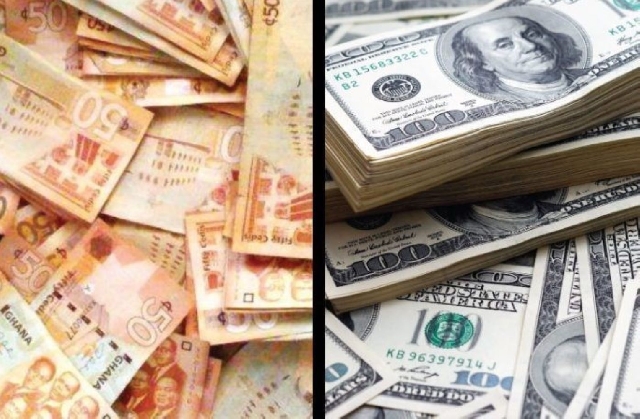
Ghana's Bank of Ghana Governor, Dr. Johnson Asiama, confirmed that recent movements in the foreign exchange market are under control. He stated that the depreciation of the Ghana cedi against the US dollar is sometimes a deliberate policy. This assurance aims to calm businesses concerned about the local currency's performance.
The cedi has lost ground to the dollar in recent weeks, partly due to increased demand for foreign currency. This demand stems from imports related to the Christmas season. Dr. Asiama addressed capital market stakeholders at the Ghana Stock Exchange, urging confidence in the central bank's management of the currency market.
This development fits into Ghana's ongoing efforts to manage its economy amidst various pressures. The country has been working to stabilize its currency and control inflation. The Bank of Ghana's approach reflects a strategic decision within its broader monetary policy framework. Previous data indicated Ghana's economy faces challenges, including elevated financing needs and inflation targets.
Dr. Asiama explicitly stated, "Sometimes it’s okay to allow the system to adjust; sometimes it’s deliberate policy to allow the cedi to depreciate a little bit." He emphasized that these movements are part of a wider strategy. He assured stakeholders that the central bank maintains full control over the situation.
This statement suggests the Bank of Ghana may use currency adjustments as a tool for economic stability or growth. Businesses and investors will closely watch the cedi's performance and the central bank's interventions. The Governor's remarks indicate a proactive, rather than reactive, stance on currency management. This approach could influence import costs and export competitiveness in the coming months. It also highlights the central bank's role in guiding market expectations.
The cedi recently traded at around GHS 12 per dollar at some forex bureaus. The Bank of Ghana's official selling rate stood at approximately GHS 11.59 per dollar as of Thursday. This difference between market rates and the central bank's rate is a key indicator of market pressure. The Governor's comments aim to manage perceptions around these fluctuations. He wants to prevent panic selling or excessive speculation in the currency market. Maintaining confidence is crucial for economic stability.
Dr. Asiama also urged managers across various sectors to ensure confidence in the overall economic system. He appealed to the Central Securities Depository (CSD) to provide transparent information on investment portfolios. This move aims to attract more investors, especially younger ones, to the capital market. Transparency builds trust and encourages participation, which is vital for economic growth. A robust capital market can provide essential funding for businesses and infrastructure projects. This supports the broader economic agenda.
The Bank of Ghana's strategy involves balancing multiple economic objectives. These include managing inflation, supporting economic growth, and maintaining financial stability. A controlled depreciation can sometimes make exports cheaper and imports more expensive. This can help improve a country's trade balance. However, it also increases the cost of imported goods, potentially fueling inflation. The central bank must carefully weigh these trade-offs. Its communication is key to guiding public and business expectations. The Governor's directness seeks to provide clarity in a complex economic environment. This transparency is vital for market participants to make informed decisions. The Bank of Ghana continues to monitor global and domestic economic factors closely.