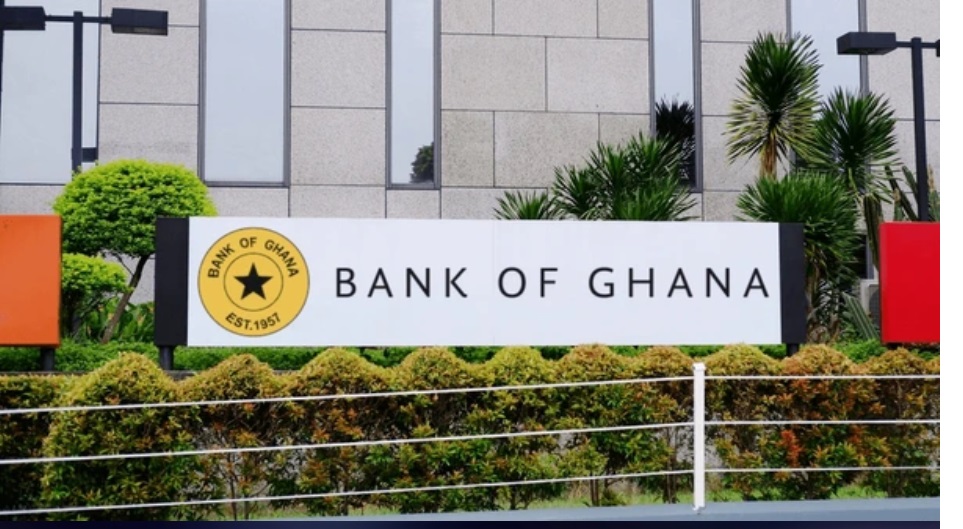
The Bank of Ghana (BoG) has implemented tougher sanctions for customers who repeatedly issue dud cheques. These new rules include a three-year ban on issuing cheques and a one-year restriction on accessing new credit facilities for repeat offenders.
Customers issuing a third dud cheque within one year of their first offence will face a penalty. This penalty is equivalent to 20% of the cheque’s value. This financial punishment comes in addition to the restrictions imposed by the central bank. A dud cheque is one issued without sufficient funds in the account to cover its amount.
This policy change fits into Ghana's broader efforts to strengthen its financial system and promote responsible banking practices. The central bank aims to reduce financial fraud and improve the efficiency of payment systems. Reliable cheque usage is crucial for business transactions and overall economic stability. This measure also aligns with global standards for financial integrity and consumer protection.
The Bank of Ghana stated that these measures are necessary to maintain confidence in the cheque payment system. Adverse reports to Credit Reference Bureaus (CRBs) will significantly affect a customer's creditworthiness. This could lead to a poor credit score, higher borrowing costs, and limited access to future funds. This statement underscores the serious implications for individuals and businesses.
These new regulations will likely lead to increased vigilance among cheque users and banks. Customers must meticulously manage their account balances to avoid penalties. Banks will also play a crucial role in enforcing these rules and educating their clients. The financial sector will closely monitor the impact on credit markets and overall payment system reliability.
For a first offence, the customer’s bank will impose a penalty of 10% of the cheque’s face value. The bank will also issue a warning about future breaches. This initial offence must be reported to the Credit Reference Bureaus and the Bank of Ghana. This ensures a comprehensive record of financial conduct.
A second dud cheque issued within one year of the first will attract a penalty of 15% of the cheque’s value. This second offence also requires reporting to the CRBs and the central bank. The customer will receive another warning, highlighting the escalating consequences of repeated infractions. This tiered approach aims to deter further misconduct effectively.
The sanctions become significantly more severe upon a third offence. In addition to the 20% financial penalty, the Bank of Ghana will ban the customer from issuing cheques for at least three years. They will also be barred from accessing new credit facilities from the banking system for one year. The central bank will notify all banks and Specialised Deposit-Taking Institutions of this ban, ensuring widespread enforcement.
Once a bank receives notification of a cheque-issuing ban, it must inform the affected customer within five working days. The bank is also required to recall all unused cheque books. It must refrain from issuing new ones until the sanction is officially lifted. This process ensures immediate compliance and prevents further misuse of cheques.
Customers who fail to return unused cheque books within 10 working days of receiving notification could face additional sanctions. In such cases, the bank must report the matter to the BoG. The central bank may then ban the customer from operating any current account. Their name could also be placed on the central bank’s Directory of High-Risk Cheque Issuers, further restricting their financial activities.
The BoG has advised customers to check their account balances carefully before issuing cheques. They should also consider pending transactions that could reduce available funds. Customers are cautioned against issuing cheques based on expected future funds unless certainty exists that the money will be available when presented. The central bank encourages customers to keep records of cheques issued and their expected presentation dates. They should contact their banks promptly if they anticipate insufficient funds, promoting proactive financial management.