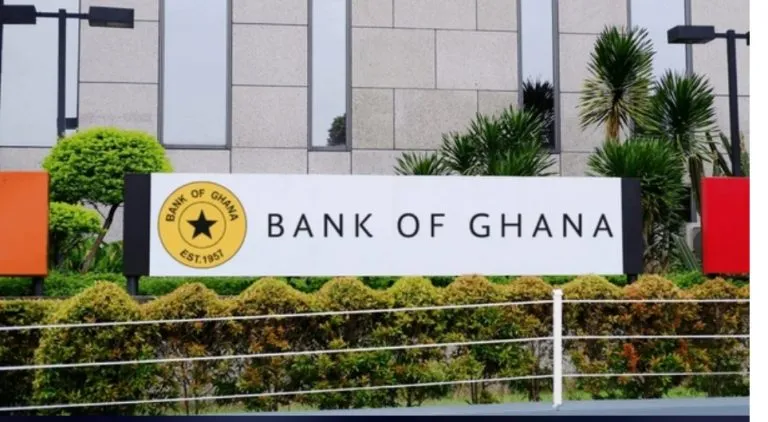
The Bank of Ghana absorbed GHS 12.9 billion from the financial system on August 31. This was achieved by selling 14-day central-bank bills at a weighted average interest rate of 10.50%.
This significant operation highlights the central bank's active role in managing short-term liquidity. The bills provide a temporary outlet for excess funds within the banking system. This helps to influence the amount of money circulating in the economy.
This action fits into Ghana's broader economic narrative of careful monetary management. The central bank uses various tools to maintain price stability and support economic growth. Such operations are crucial for controlling inflation and ensuring a stable financial environment. The Bank of Ghana's consistent efforts to manage liquidity are vital for the health of the Ghanaian cedi and the financial sector.
The Norvan Reports indicated that the central bank sold GHS 12,904.89 million through this two-week instrument. This amount underscores the substantial volume of funds temporarily placed with the central bank. The bid discount rates were tightly clustered, ranging from 10.4577% to 10.4578% per annum.
The central bank's use of short-dated instruments like these 14-day bills offers flexibility. However, it also means the absorbed liquidity returns to the banking system quickly. This requires continuous active management by the Bank of Ghana. Financial institutions will continue to monitor these operations for signals on future monetary policy direction and interest rate trends. The effectiveness of these operations depends on their cost, maturity, and frequency.
Unlike Treasury bills, which the government issues to fund its spending, Bank of Ghana bills are monetary instruments. They are specifically designed to manage liquidity, not to finance government deficits. The 10.50% interest rate is an annualised figure. This means the actual return over the 14-day period is a fraction of this annual rate. This distinction is important for investors to understand the true economics of the auction.
The exceptionally narrow range of bid discount rates, only 0.0001 percentage points, suggests strong consensus among participating institutions. This indicates similar expectations about the required return for committing funds. For banks, these bills offer a secure, short-duration option for deploying liquidity. They compete with other uses for funds, such as lending or investing in longer-term government securities.
A banking sector with significant excess liquidity can impact short-term money-market rates and lending conditions. The Bank of Ghana uses these operations to prevent excessive liquidity from distorting market functions. The August 31 results provide a snapshot of this ongoing monetary management challenge. The central bank must balance providing enough liquidity for financial markets with preventing an oversupply of money. This balance is critical for Ghana's economic stability.
The continuous issuance of such bills reflects the central bank's commitment to proactive liquidity management. This strategy helps to ensure the financial system remains robust and responsive to economic conditions. Investors and financial analysts will closely watch future auctions for insights into the central bank's assessment of market liquidity and its policy stance.