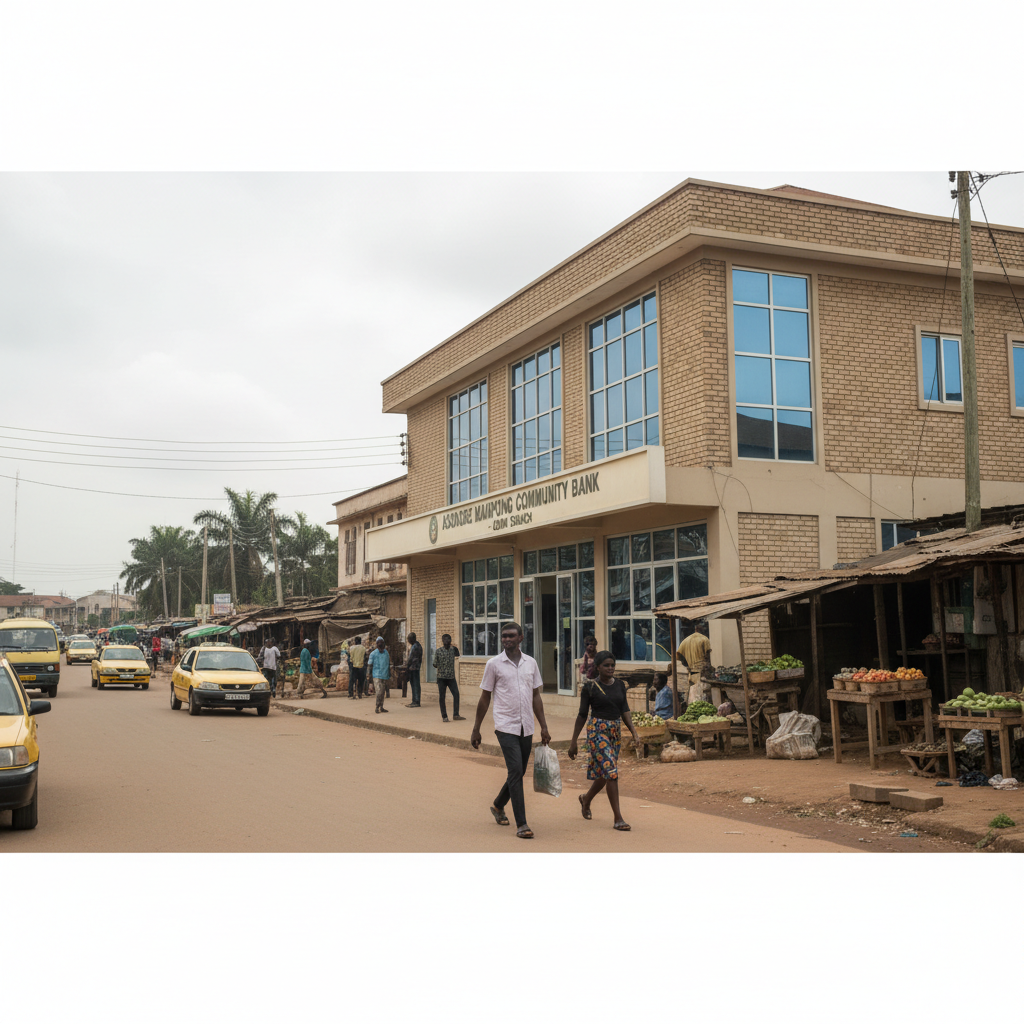
Asokore Mampong Community Bank PLC has opened a new branch in Adum, Kumasi, on July 11, 2026. This development saw traditional leaders and banking executives advising Ghanaians, particularly business owners, to deposit their earnings in banks. They highlighted the increased safety and financial benefits of formal banking over holding cash at home.
Adwumfourhene of Otumfuo, Nana Opoku Dwobeng II, stated that keeping money in financial institutions provides more security against theft, fire, or natural disasters. He referenced recent floods in Accra and the Central Region, which caused many victims to lose their cash stored at home. This loss included all savings, underscoring the risks of informal cash storage.
This initiative aligns with Ghana's broader push for financial inclusion and economic formalization. The Central Bank has consistently promoted banking to protect individual wealth and integrate more citizens into the formal financial system. Improved financial inclusion helps aggregate capital, which banks can then lend to support productive economic activities across the nation.
Nana Opoku Dwobeng II emphasized that banking money promotes accountability for businesses and offers access to loans for expansion. He urged traders and entrepreneurs to embrace saving with banks and mobile money platforms to safeguard their livelihoods. This advice seeks to integrate the informal sector into the banking ecosystem, providing stability and growth opportunities.
Chief Executive Officer of Asokore Mampong Community Bank PLC, Francis Nantwi, urged customers to remain vigilant when using digital banking channels. He warned against disclosing sensitive information like PIN codes or One-Time Passwords (OTPs) to prevent fraud. Mr. Nantwi confirmed that no bank staff would ever request such details from a customer.
The opening of the Adum branch signifies a move towards expanding banking services to crucial commercial hubs. This expansion will likely increase access to financial services for small and medium-sized enterprises (SMEs) in the region. Greater access to formal finance could boost local trade and micro-economic activities, contributing to regional economic growth.
Such efforts are critical for Ghana's long-term economic development. They aim to reduce the vulnerability of businesses and individuals to economic shocks and facilitate smarter financial management. The government and financial institutions are expected to continue public education on financial inclusion, especially in market centers and rural communities, to broaden the impact of these initiatives.
Increased banking penetration is a key objective for the Bank of Ghana. It helps improve monetary policy transmission and reduces the amount of currency outside the banking system. The sustained effort to bank cash holdings will improve financial sector stability and enhance data collection for national economic planning.