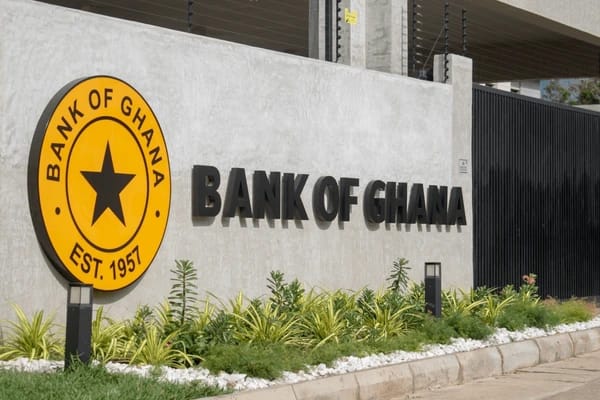
All 23 banks operating in Ghana are now fully capitalised. This significant milestone was announced by Dr. Johnson Asiama, Governor of the Bank of Ghana (BoG). The achievement signals a strengthened and more resilient banking sector in the country.
This full capitalisation means banks hold enough money to cover their risks. Dr. Asiama stated that banks now record sound capital and liquidity positions. An improvement in the sector's asset quality also contributes to stronger bank balance sheets. This makes the financial system more stable and reliable for customers and businesses.
This development fits into Ghana's larger economic recovery efforts. The nation has worked to restore macroeconomic stability over the past two years. Stronger banks are crucial for supporting economic growth and investment. A robust financial sector can better withstand economic shocks and facilitate business expansion. This stability is vital for attracting both local and foreign investment.
“The banking sector is also robust and resilient, with all banks now well capitalised,” Dr. Asiama stated. He added, “All 23 banks are now fully capitalised. Capital and liquidity positions remain sound, while the improvement in asset quality provides a stronger balance sheet.” He made these remarks at the 2026 CEOs Connect event. This event was organised by the Canada-Ghana Chamber of Commerce.
The Governor stressed the importance of translating this stability into real economic gains. He called for increased productive investment and stronger private sector growth. He also highlighted the need for higher exports and quality employment opportunities. These steps are essential for Ghana's continued economic progress.
Banks must deepen their involvement in Ghana's capital market. This will improve their access to long-term funding. A stronger presence in the capital market can also enhance transparency and governance. It will contribute to a deeper and more sophisticated financial system. This diversification of funding sources is critical for sustainable growth.
Dr. Asiama encouraged banks to explore various financing options. These include long-term debt, equity, and trade finance. Other options are syndicated lending, private equity, and leasing. Export finance, development finance, and green financing are also important. These diverse options support businesses, especially those looking to expand internationally. This broad approach ensures businesses have the capital they need to grow.
The full capitalisation of all banks is a positive indicator for Ghana's economy. It suggests a healthier financial environment. This stability should encourage more lending to businesses and individuals. It also builds confidence among investors. The BoG's focus on capital market participation and diverse financing will further strengthen the sector. This move will help sustain economic momentum and create jobs.
Ghana's financial sector has undergone significant reforms in recent years. These reforms aimed to clean up the banking industry and strengthen regulatory oversight. The current announcement confirms the success of these measures. It positions Ghana's banks to play a more active role in national development. This robust foundation is key for future economic resilience.