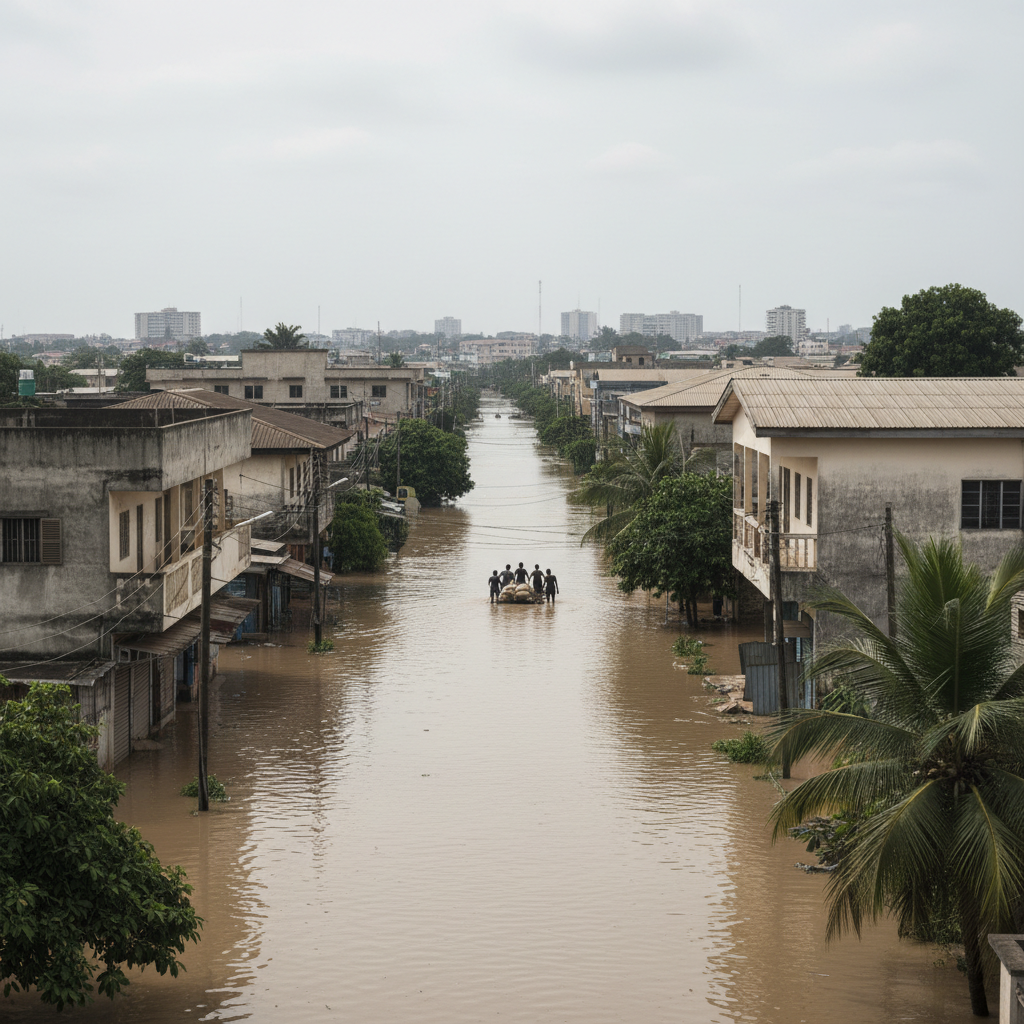
Insurance claims stemming from the June 29 floods in Accra are projected to near GHS 500 million. Dr. Kingsley Agyemang, the Member of Parliament for Abuakwa South, has urged the government to implement urgent relief measures for insurance companies. He specifically proposed suspending the Value Added Tax (VAT) on non-motor insurance products.
These calls come as the insurance industry faces immense pressure from the escalating number of claims. The floods caused significant damage and loss of life across Accra and other communities. Dr. Agyemang, an insurance expert with over two decades of experience, warned that the flood-related claims could severely impact the profitability and stability of insurance companies.
This situation highlights a critical vulnerability within Ghana's economic infrastructure. The nation's insurance penetration rate stands at only about one percent of GDP. This figure contrasts sharply with the African average of three percent and the global average of approximately six percent. Low insurance uptake leaves Ghanaian households and businesses highly exposed to unforeseen disasters. The recent floods underscore the urgent need for a more robust financial safety net.
Speaking on JoyNews' The Pulse, Dr. Agyemang emphasized the necessity of prompt government intervention. He stated, “There must be a waiver or suspension of the VAT on insurance products. That will definitely increase the uptake of insurance services.” He further appealed for corporate tax waivers for insurance companies, stressing that the failure of these companies would have severe economic consequences, including job losses and increased difficulty in managing future disasters.
The immediate implication of these rising claims is significant financial strain on insurance providers. If relief measures are not adopted, some firms could face solvency challenges. Decision-makers in the Ministry of Finance and the National Insurance Commission will need to evaluate the economic impact of Dr. Agyemang's proposals. The resilience of the insurance sector is crucial for economic stability and disaster recovery. Future discussions are likely to focus on financial support packages and long-term strategies to improve insurance penetration in Ghana.
Dr. Agyemang also renewed his call for a statutory National Disaster Risk Management Fund. Such a fund would support flood victims and finance proactive disaster prevention and response efforts. He noted that Ghana currently lacks such a dedicated mechanism, leading to a reactive approach to crises. The government has already established a Post-Flood Mitigation Task Force. This body coordinates relief efforts and has announced a two-day nationwide clean-up exercise. These initiatives aim to desilt drains and prevent further flooding as the rainy season continues. The long-term economic stability hinges on both immediate relief and foundational reforms.