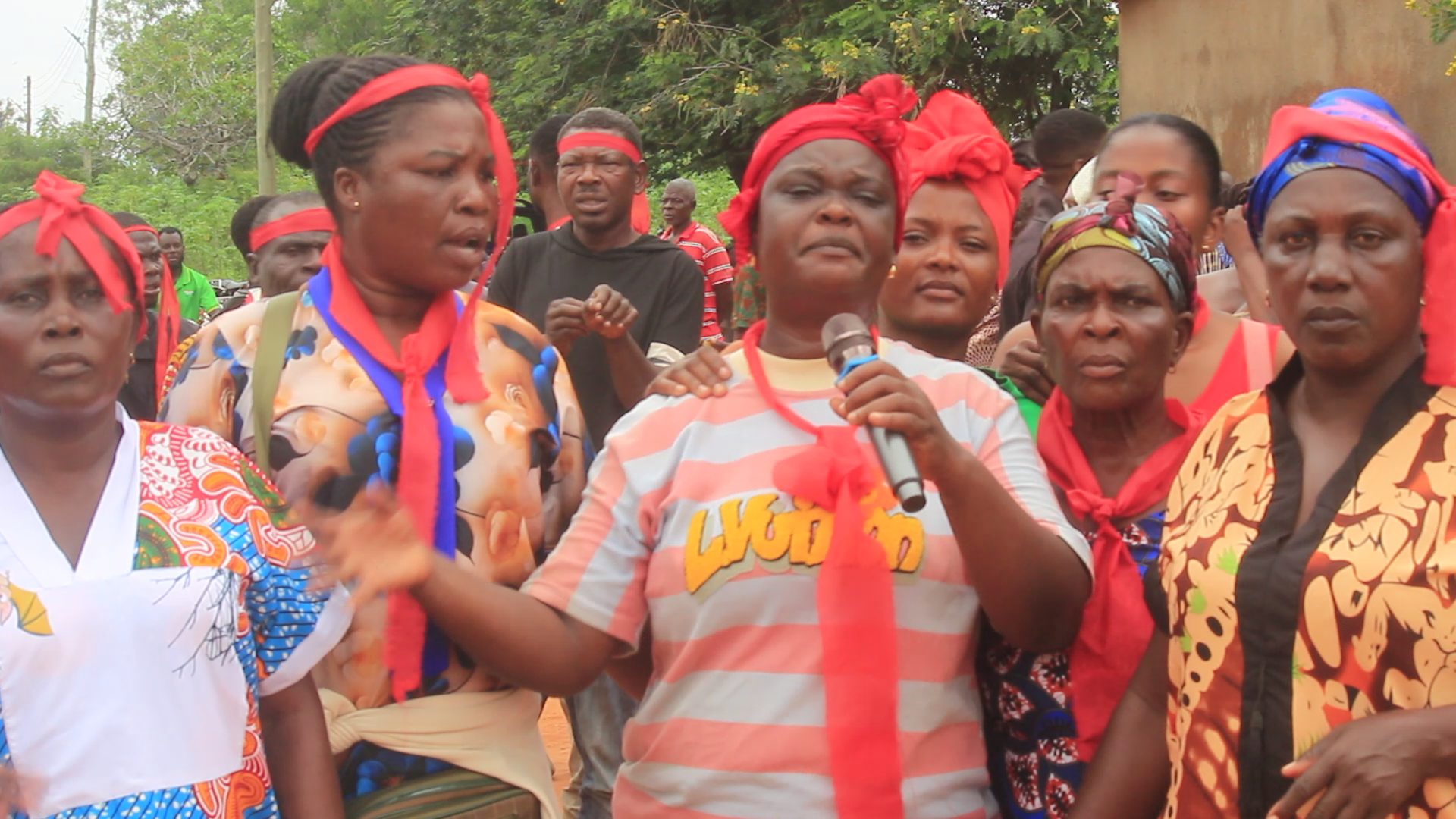
Rice farmers operating under the Weta Irrigation Scheme (WIS) in the Ketu North Municipality have lost an estimated GHS 60 million in cultivated rice. Recent torrential rains caused widespread flooding, destroying 1,800 hectares of rice farms. This devastating loss has prompted farmers and traditional authorities to urgently appeal to the government for the rehabilitation of the 40-year-old scheme.
The Weta Irrigation Scheme, the second largest in Ghana, was constructed between 1979 and 1982 with Chinese government support. It began operations in 1983 and has since contributed significantly to rice and vegetable production. Despite its importance, the scheme has never undergone major rehabilitation, leading to its current state of disrepair.
This situation fits into a broader national challenge of maintaining critical agricultural infrastructure. Ghana aims to boost local food production and reduce reliance on imports. The neglect of schemes like Weta undermines these efforts, impacting food security and the livelihoods of thousands of farmers. The scheme potentially produces over 10,000 metric tons of rice annually from 880 hectares.
Gideon Kokoroko, spokesperson for the Weta Rice farmers, stated that every major component of the irrigation infrastructure has collapsed. He highlighted that the main protective dyke has failed, making the entire scheme vulnerable to continuous flooding. Mr. Kokoroko also noted that main laterals, sub-laterals, feeding ditches, check gates, and access roads are all in disrepair.
The farmers had welcomed an announcement in 2023 that the scheme was earmarked for rehabilitation under a $150 million West Africa Food System Resilience Programme (WAFSRP). This program, supported by the World Bank, aimed to improve rice and vegetable production. However, three years later, farmers report no progress on the promised support and funding.
The immediate implication of this disaster is a severe blow to the incomes of approximately 2,500 farmers and their dependents. It also threatens Ghana's food security goals, particularly for rice production. Decision-makers must now address the urgent need for rehabilitation and financial support for the affected farmers. The long-term implication is the potential collapse of a vital agricultural asset if immediate action is not taken.
The Municipal Chief Executive for the area, Rev. Martin Korbla Amenaki, described the scheme's condition as truly worrying. He emphasized the scheme's importance in rice cultivation and its contribution to the region's food basket. Rev. Amenaki appealed to the government for urgent intervention to prevent the project's collapse.
Torgbui Adjei III, Dufia of Atiteti and a representative of the Weta Traditional Council, expressed disappointment. He noted that chiefs willingly provided land for the project, expecting it to remain functional. The farmers are calling for a comprehensive rehabilitation of the entire scheme and emergency relief for those who lost investments. They also advocate for a medium to long-term maintenance program to ensure future functionality. Mr. Kokoroko urged the World Bank Representative in Ghana to ensure allocated funds are released and used as intended.