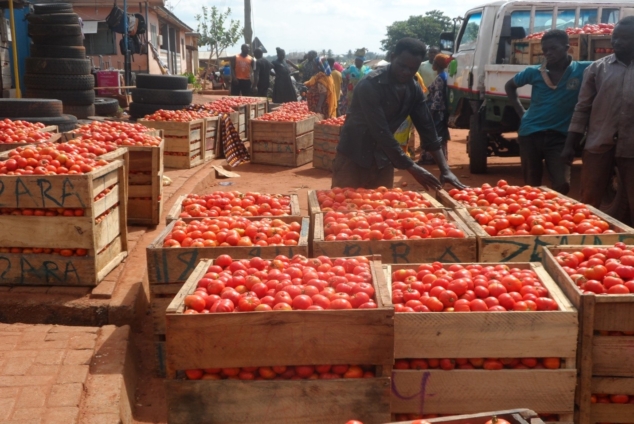
Fresh tomato prices surged by 158.3% year-on-year in August 2026. This made fresh tomatoes the biggest price mover recorded by the Ghana Statistical Service (GSS) during the month. The significant increase highlights varying consumer experiences despite overall food inflation easing slightly.
This sharp rise in tomato prices occurred even as overall food inflation moderated marginally. Food inflation eased to 3.0% in August from 3.1% in July. The GSS data shows that fresh tomatoes recorded the highest year-on-year price increase among tracked commodities. This directly impacts household budgets and food security for many Ghanaians.
The GSS reported overall year-on-year inflation increased to 5.0% in August, up from 4.6% in July. This figure, however, remained substantially below the 11.5% recorded in August 2025. Non-food inflation was the main driver, rising to 6.8% in August. This contrasts with the 3.0% food inflation rate.
Government Statistician, Dr. Alhassan Iddrisu, presented the August Consumer Price Index. He noted the significant increase in fresh tomato prices. Dr. Iddrisu explained that this highlights the different price experiences consumers face across various commodities. He stated, “Fresh Tomatoes more than doubled in price (+158.3%) while Lime fell 33.7%: the overall Y-on-Y inflation of 5.0% hides very different experiences at the market.”
The GSS data further revealed other significant price movements. Ginger prices increased by 128.3%, following fresh tomatoes. Shrimps recorded a 67.1% increase. Mango prices rose by 57.7%. Fresh coconut and fresh green pepper also saw increases of 38.0% and 30.5% respectively. These figures indicate a broad impact on various produce items.
Conversely, some food commodities experienced price declines. Lime recorded the biggest drop, falling by 33.7%. Maize prices also decreased by 31.3%. Cocoyam leaves, sweet apples, fried fish, and pawpaw recorded notable price reductions. Despite these mixed movements, the GSS reported that food prices generally fell by 2.5% month-on-month in August.
Dr. Iddrisu clarified the concept of inflation for the public. He explained that inflation measures the rate at which prices change, not the absolute price level of individual goods. He added, “Inflation measures how fast prices in general are rising or falling, not how high they already are.” This distinction is crucial for understanding economic trends.
Non-food items accounted for a significant portion of total inflation. They contributed 70.9% to the overall inflation figure. Food items, in contrast, contributed 29.1%. Services also remained a major source of price pressure. Services recorded inflation of 8.6%, compared with 3.8% for goods. This shows a shift in inflationary drivers.
The GSS also detailed the origin of inflationary pressures. Locally produced goods and services accounted for 86.2% of total inflation. Imported items recorded a much lower inflation rate of 2.2%. This suggests that domestic factors are primarily driving Ghana's current inflation. Policymakers will likely focus on internal supply chain issues and production costs.
The sharp increase in tomato prices will likely affect household spending patterns. Consumers may shift to alternative vegetables or reduce consumption. This could impact local farmers and traders. The Bank of Ghana and other economic bodies will closely monitor these commodity price movements. They will assess their broader impact on economic stability and consumer welfare. This situation underscores the volatility of agricultural markets.