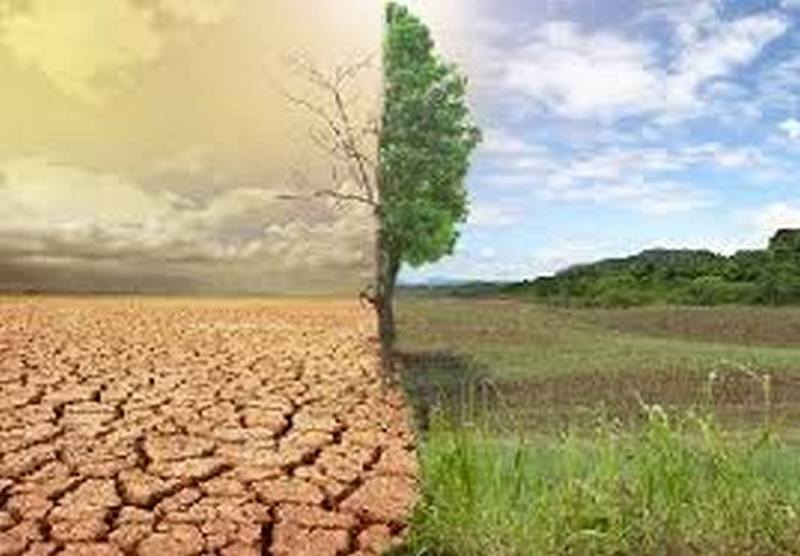
Tantanlawura Alhaji Darrison Dramani, Chief of the Wasipe Traditional Kingdom, and the Tree Crops Development Authority (TCDA) have launched a 1,000-hectare tree plantation project. The initiative will plant economic trees at Gulumpe in the Kintampo Municipality of the Bono East Region to fight climate change and ensure sustainable livelihoods.
This new project directly addresses significant deforestation in Gulumpe, where many residents rely on charcoal production for quick income. This reliance has led to the widespread loss of valuable economic trees like shea and mango. Without intervention, this trend could bring severe environmental damage and economic challenges to the community.
The project aligns with Ghana's broader efforts to promote climate resilience and diversify agricultural income. Deforestation contributes to climate change and threatens local economies dependent on natural resources. The TCDA’s involvement signals a strategic push towards commercial tree crop cultivation as a sustainable alternative. This effort complements national policies aimed at greening Ghana and enhancing food security.
Tantanlawura Alhaji Darrison Dramani expressed gratitude for the partnership, calling it a timely opportunity. He stated it would protect both the environment and his people's livelihoods. Dr. Kofi Twum Antwi, representing the TCDA CEO, confirmed the Authority has set a target. The TCDA aims to cultivate six economic tree crops on 16,000 hectares across all 16 regions of Ghana.
The successful implementation of this project could serve as a model for other regions facing similar environmental and economic challenges. Its progress will be closely watched by environmental agencies and development organizations. Local markets will also respond to the potential increase in shea, mango, and cashew production. Decision-makers may consider expanding such initiatives if this project proves effective in both ecological restoration and economic upliftment.
Additionally, the project is expected to create jobs within the community, offering alternative income sources to charcoal production. This can lead to a more stable local economy and improved social welfare. The focus on economic trees like shea and cashew provides long-term benefits through commercial yields. These crops have established export markets, which could boost regional economic growth. The initiative also supports national goals for sustainable land use and environmental protection. It provides a tangible step towards mitigating climate change effects at a local level.
The project's launch during a coronation ceremony underscores the strong local leadership commitment to environmental stewardship. This community ownership is crucial for the long-term success and sustainability of the plantation. Protecting these vital resources ensures that future generations can benefit from a healthy environment and a thriving economy.